
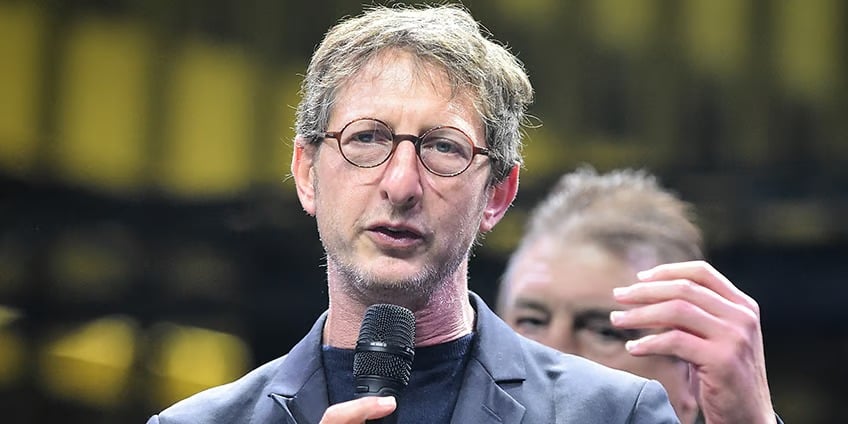
The recent remarks by Ariel Weil, Mayor of Paris Centre, have reignited the debate surrounding LGBTQ+ rights in Senegal. In a bold public statement published during the International Day Against Homophobia, Weil condemned the country’s repressive legislation, which he argues fosters a climate of fear for sexual minorities. His intervention has thrust the delicate balance between human rights advocacy and national sovereignty into the spotlight.
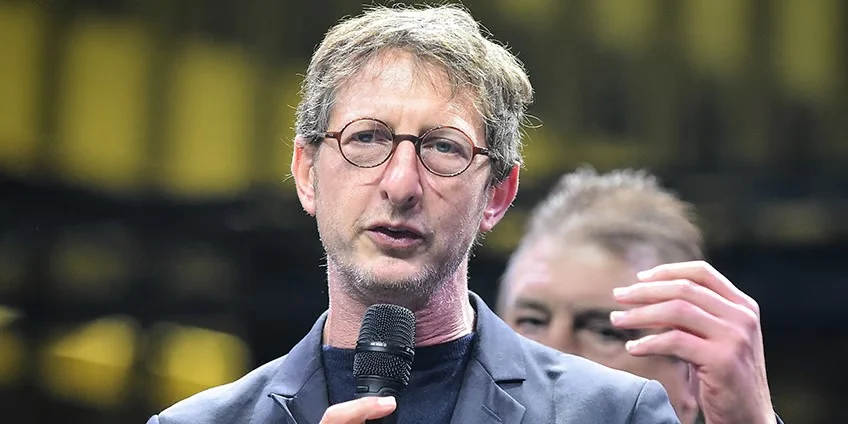
In his statement, Weil described the situation in Senegal as a systematic persecution of LGBTQ+ individuals, using strong language to emphasize the gravity of the issue. The French politician, known for his progressive stance on social issues, argued that the current legal framework in Senegal not only violates international human rights commitments but also stifles fundamental freedoms.
Legislative shifts in Senegal heighten concerns
The controversy stems from a March 2026 decision by Senegal’s National Assembly to tighten anti-homosexuality laws. The revised legislation increases prison sentences for same-sex relations from five to ten years and introduces penalties for those promoting or financing such relationships. Following parliamentary approval, the bill was signed into law by the Senegalese president, solidifying its place in the country’s legal system.
Weil’s critique extends beyond the legal changes themselves, framing them as part of a broader regression in civil liberties. He called on Senegal’s international partners to take a stand, warning that silence would be interpreted as tacit approval of these policies. His remarks have sparked a wave of discussions about the role of foreign governments in influencing human rights debates in other nations.
Public and diplomatic reactions to the debate
The tone of Weil’s statement has drawn both support and criticism. While some advocates for LGBTQ+ rights have praised his courage in addressing the issue, others argue that his approach oversimplifies the complexities of Senegalese society and politics. By labeling the situation as a ‘civilizational regression,’ Weil has framed the debate in moral terms, challenging the Senegalese government to justify its policies in a global context.
The timing of his intervention, coinciding with the International Day Against Homophobia, has amplified its impact, pushing the conversation about LGBTQ+ rights in Senegal to the forefront of international discourse. As the debate continues, the world watches closely to see how this issue will unfold in the coming months.