
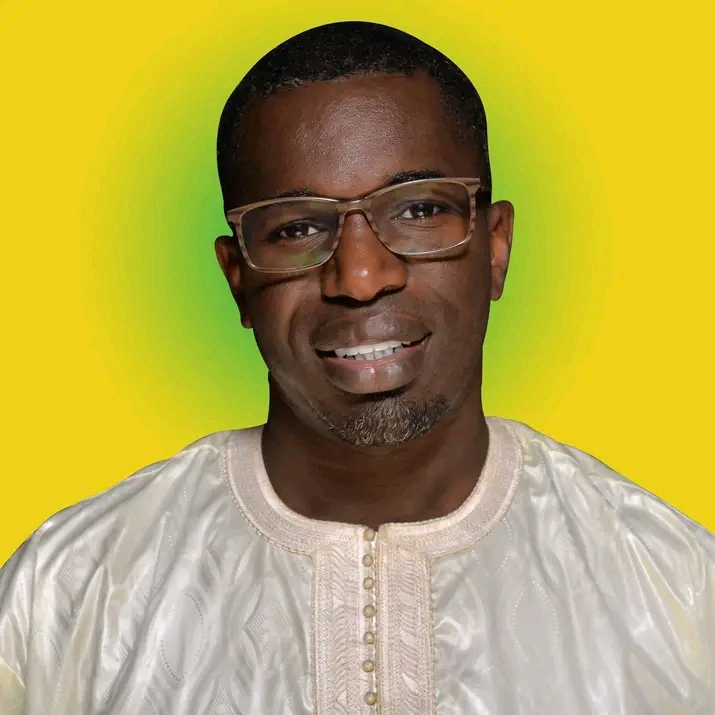
In a surprising turn of events, Senegal’s Constitutional Council has shifted from bold constitutional interpretation to procedural evasion in the case of Ousmane Sonko’s reinstatement as deputy. On June 17, 2026, the Council declined to rule on the merits of the dispute, instead declaring itself incompetent—a decision that has sparked intense legal and political debate.
From bold guardian to silent arbiter
On February 15, 2024, the Constitutional Council had demonstrated remarkable judicial courage by intervening decisively in a major institutional crisis. At the time, it firmly asserted its role as the guardian of constitutional supremacy and regulator of Senegal’s institutional framework. Yet in the Sonko case, the same institution chose a diametrically opposed path, avoiding any substantive ruling on fundamental constitutional questions.
The Council’s decision centered exclusively on electoral jurisdiction, citing its limited role in post-proclamation matters. While this interpretation may hold legal weight, it conspicuously sidestepped the constitutional essence of the dispute. The case raised critical issues far beyond election law, touching on the separation of powers, parliamentary incompatibility rules, and institutional legality under the National Assembly’s own regulations.
Judicial activism vs. procedural retreat
The requirents had invoked not only the Council’s electoral jurisdiction but also its broader constitutional mandate as institutional regulator. They pointed to landmark precedents (decisions n°08/2017 and n°1/C/2024) and argued that the Council’s mission extends to preserving general interest, public order, and institutional stability—principles it had emphasized in its February 2024 ruling on the presidential election postponement.
Yet the June 2026 decision deliberately ignored this constitutional dimension. By focusing solely on procedural competence, the Council created a legal vacuum where constitutional questions remain unanswered. This procedural escape route—though not unprecedented in constitutional jurisprudence—represents a clear retreat from the Council’s 2024 judicial activism.
The irony deepens when considering Ousmane Sonko’s defense, which argued that the Council’s jurisdiction is strictly limited to constitutionally enumerated powers. This position, while understandable in partisan terms, contradicts the very evolution the Council had championed in its earlier rulings.
A jurisprudential U-turn with lasting consequences
This case transcends Sonko’s parliamentary fate. It fundamentally questions whether the Constitutional Council will continue its 2024 trajectory of dynamic constitutional interpretation or revert to a formalistic, competence-restrictive approach. The decision has left a constitutional question hanging: when major institutional crises emerge, who ultimately resolves them if the Council refuses to act?
The June 17, 2026 ruling will be remembered less for its immediate political implications than for its jurisprudential significance. It marks a stark reversal from the forward-looking constitutional stance of February 2024, raising serious concerns about the future of Senegal’s constitutional justice system.
Ultimately, the Council’s choice to retreat behind procedural walls has not resolved the crisis—it has merely deferred the constitutional reckoning to an uncertain future.