
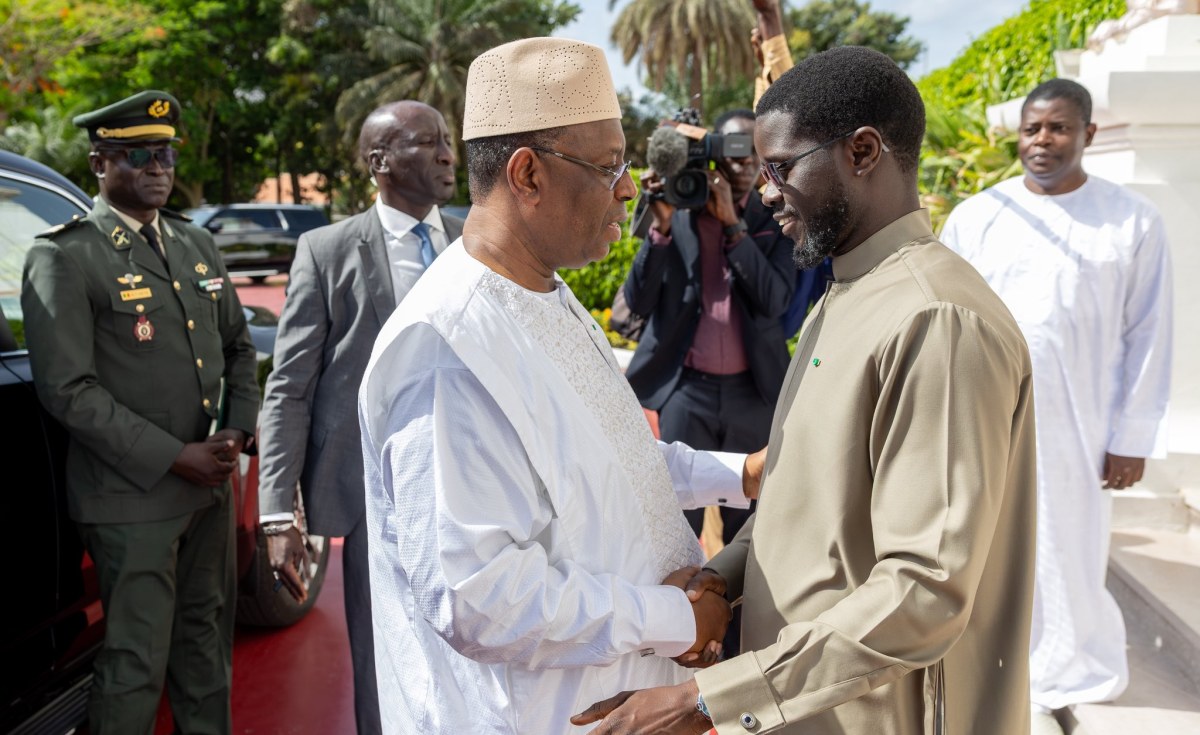
The scene was unthinkable just months ago. After two years away from power, former Senegalese President Macky Sall returned to Dakar for an official meeting with his successor, Bassirou Diomaye Faye. The encounter at the Presidential Palace was not merely ceremonial—it was a strategic maneuver to secure Dakar’s diplomatic backing for Sall’s bid to become the next United Nations Secretary-General. This high-stakes dialogue unfolded against a backdrop of deep political fractures and simmering public outrage.
Diplomatic urgency and unexpected hurdles
The urgency of the meeting stemmed from an unanticipated setback. While Sall’s candidacy has gained traction internationally, it was initially championed not by Senegal but by Burundi, which currently holds the rotating presidency of the African Union. The absence of Dakar’s official endorsement left Sall scrambling for regional support, compelling him to seek direct approval from his successor.
Balancing state interests and political legitimacy
President Bassirou Diomaye Faye faced a delicate balancing act. On one side, Senegal’s national pride and diplomatic standing could benefit from backing a former leader for the world’s most influential multilateral position. On the other, endorsing Sall risked alienating the political base that propelled Faye into office in 2024. The closed-door discussions centered on finding a middle ground—how far could the current president publicly align with his predecessor without undermining his own credibility?
This unprecedented dialogue between two leaders from opposing political camps signals a new chapter in Senegal’s democratic transition. It reflects a pragmatic approach to governance, where national interests may transcend past electoral divides.
A meeting that redefines political alliances
The timing of Sall’s reception could not have been more symbolic. It occurred amid a sweeping reshuffle of state institutions, particularly after Ousmane Sonko’s departure from the premiership to reclaim his role as the parliamentary opposition leader. The cordial reception of Sall at the Presidential Palace, witnessed by the new Prime Minister Ahmadou Al Aminou Mohamed Lô, sent a powerful message to the networks of the former ruling coalition, Alliance for the Republic. The gathering may well reshape the political chessboard ahead of future elections, reinforcing a narrative of continuity over rupture.
Public anger and the shadow of accountability
While the palace’s protocol maintained republican decorum, the streets outside were far from calm. Sall’s return reignited painful memories of the 2021-2024 political crises. As news of his visit spread, civil society organizations and victims’ collectives took to the streets to protest, demanding justice rather than diplomatic courtesies. They argue that no international ambition should absolve Sall of responsibility for the violent repression of protests during his tenure.
As Senegal weighs its diplomatic ambitions against the demands of justice, President Faye finds himself navigating a precarious political tightrope. The meeting between Faye and Sall is not just a footnote in history—it is a defining moment that will shape the nation’s trajectory for years to come.