
The signing of the revised electoral code by President Bassirou Diomaye Faye has set the political landscape abuzz. After days of heated discussions and uncertainty, the head of state officially enacted the law passed by the National Assembly on Friday, May 15, 2026.
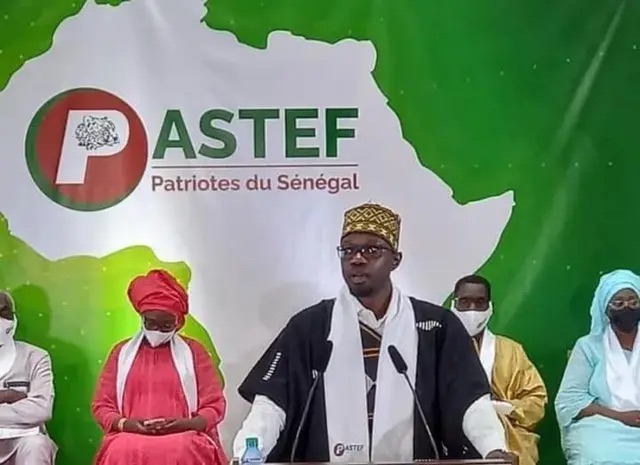
Observers noted that the decision was especially anticipated by the PASTEF party and its figurehead, Ousmane Sonko. Local media highlighted how the announcement, described as “unexpected,” put an end to days of speculation following the lawmakers’ vote.
Analysts pointed out that the presidential approval signaled the conclusion of a week-long standoff. The measure had sparked intense legal and political disputes, both within opposition circles and across public discourse.
What changes with the new electoral framework
The newly enacted law, officially numbered 11/2026, introduces significant adjustments to Senegal’s electoral system. While the full details remain subject to interpretation, the reform is expected to reshape future voting processes and political participation.
Political analysts are already weighing in on the potential impact, with some suggesting the changes could influence party strategies ahead of upcoming elections. The debate is far from settled, and further discussions are likely to unfold in the coming days.
Reactions and perspectives on the landmark decision
Reactions to the president’s signature have been swift and varied. Supporters of the reform view it as a step toward greater electoral transparency, while critics argue it could marginalize certain political groups.
Ousmane Sonko and PASTEF have framed the development as a hard-won victory, emphasizing its alignment with their long-standing demands. Meanwhile, opponents continue to voice concerns over the law’s implications for democratic inclusivity.
The coming weeks will reveal how these shifts influence Senegal’s political dynamics, with every stakeholder preparing to adapt to the new electoral reality.