
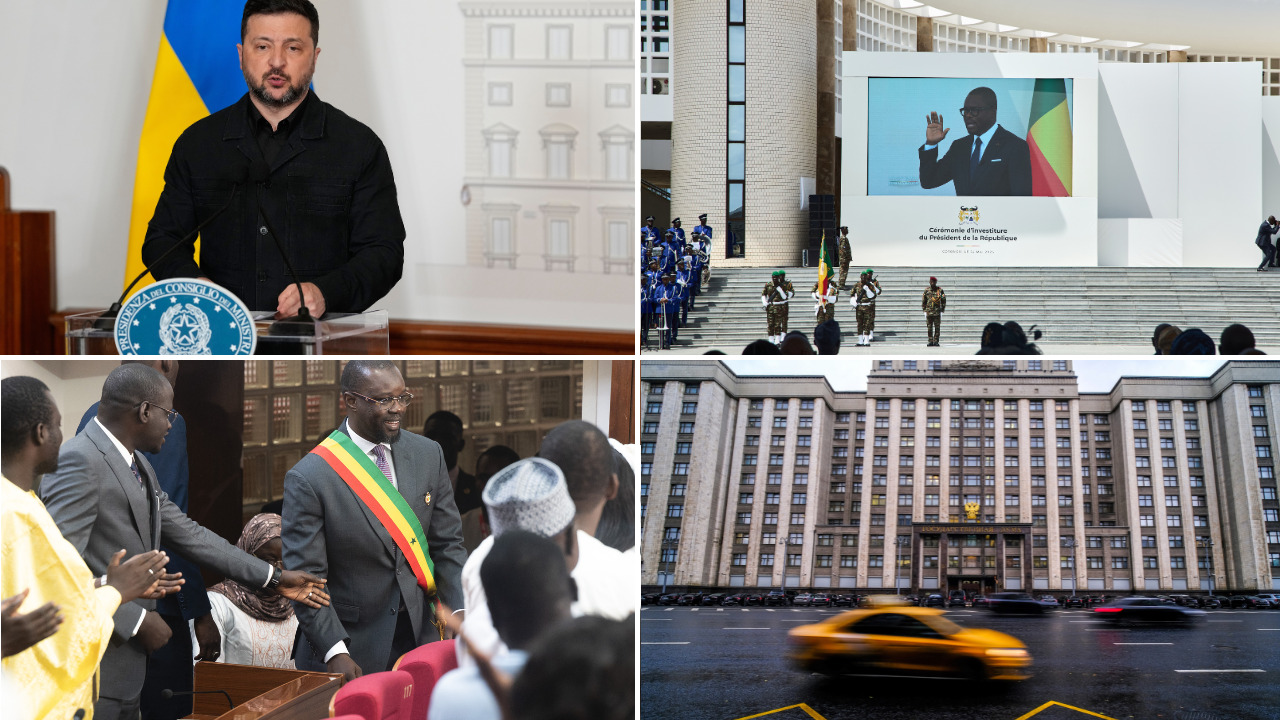
Just four days after stepping down as Prime Minister, Ousmane Sonko has been sworn in as President of Senegal’s National Assembly, a move that reshapes the political landscape at the heart of the country’s institutions. His inaugural address left no doubt about his intentions: the Assembly would no longer function as a mere rubber-stamp body.
Sonko, a former head of government, made it clear that his new role comes with a mandate to exercise rigorous oversight over executive actions. Yet he also emphasized the need to safeguard the stability of Senegal’s democratic framework. « The National Assembly will not serve as a passive observer, » he declared, signaling a proactive stance in shaping national policy.
What powers does this new position grant Sonko?
As President of the National Assembly, Sonko gains significant influence over Senegal’s legislative process. Unlike his previous role as Prime Minister, which focused on governance and implementation, this position centers on parliamentary control and lawmaking. His authority includes the ability to question government officials, propose legislation, and steer legislative debates toward stricter scrutiny of executive decisions.
In his first major speech, Sonko stated, « Every government action will be subjected to thorough examination. » This commitment underscores his determination to use the Assembly as a platform for accountability, rather than a ceremonial institution.
A new era of political cohabitation in Senegal
The shift from Prime Minister to Assembly President introduces an unprecedented dynamic in Senegalese politics. Sonko’s new role places him in a position to challenge, collaborate with, or even confront the executive branch—depending on policy alignment. This cohabitation could redefine how power is balanced between institutions, raising questions about governance stability and institutional resilience.
While Sonko’s discourse suggests a willingness to engage in dialogue, his firm stance leaves little room for complacency. « Stability does not mean complacency, » he asserted, hinting at a leadership style that prioritizes oversight without sacrificing institutional harmony. Observers are closely watching how this new balance of power will unfold in practice.
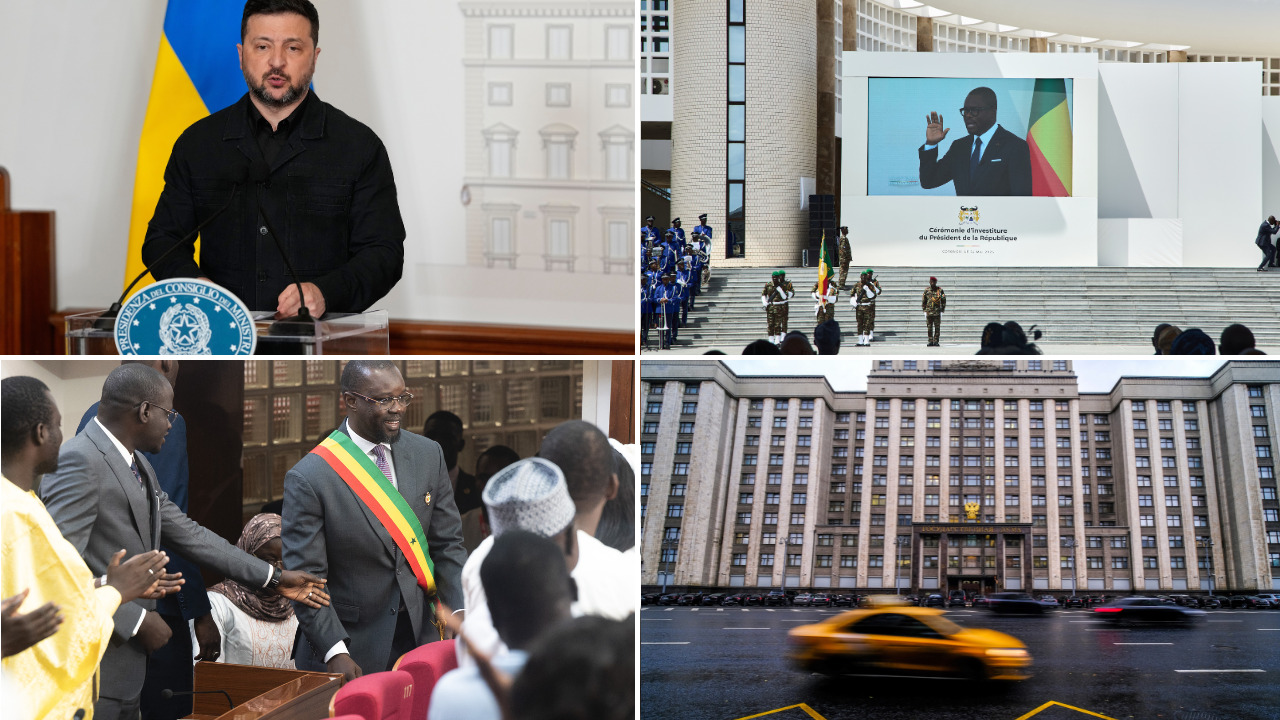
One thing is certain: Ousmane Sonko’s ascent to the presidency of Senegal’s National Assembly marks a defining moment in the country’s political evolution, with potential far-reaching consequences for governance and democracy.