
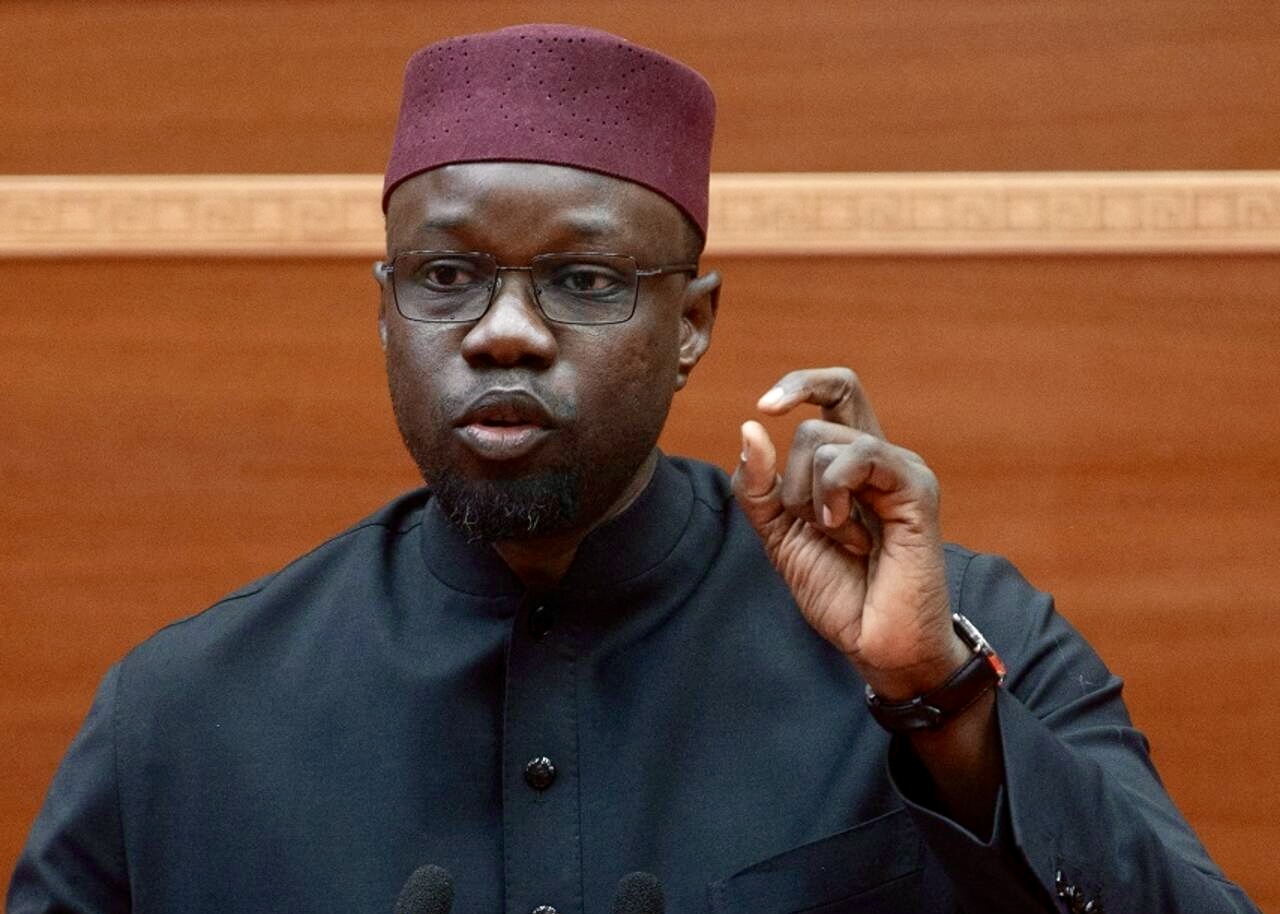
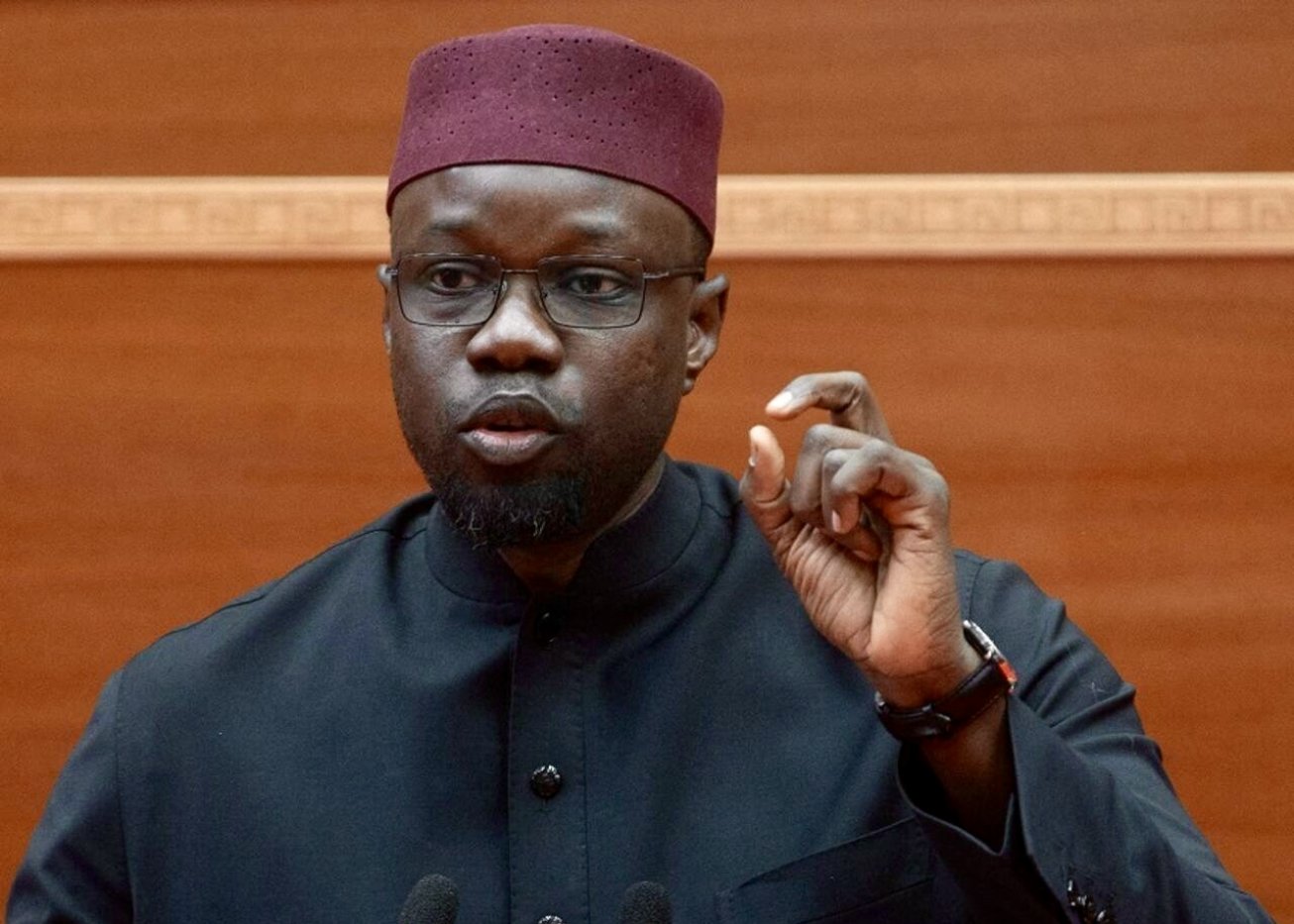
As anticipation builds for the highly anticipated clash between France and Senegal, a statement by Ousmane Sonko has reignited a contentious debate. The President of Senegal’s National Assembly declared that “regardless of the outcome, it will be Africa defeating Africa.” While some interpret this as a unifying pan-African sentiment, the phrasing touches on a long-standing and polarizing narrative—one that frames Black players in France’s squad as fundamentally African rather than French.
This rhetoric, historically wielded by far-right figures in Europe, suggests that players like Kylian Mbappé, Aurélien Tchouaméni, or William Saliba owe their identity more to their familial roots than to their nationality. Yet, the reality is far more straightforward: they are French citizens, born and raised in France, trained in French academies, and selected for the national team based on merit—not ethnicity.
Who exactly are these players?
The French national team is a mosaic of talent, with players hailing from diverse backgrounds but united by one identity: French. Mbappé was born in Paris. Tchouaméni in Rouen. Saliba in Bondy. These athletes grew up in French schools, trained in French clubs, and represented France at youth levels before earning their place in the senior squad. Their success is a testament to the French football system, not their ancestry.
The debate extends beyond mainland France. Players like Dimitri Payet, born in Réunion, or Jocelyn Angloma, from Guadeloupe, are just as French as those born in Paris. The overseas territories are integral to the Republic, and their citizens contribute equally to its sporting legacy. To suggest that a French victory would somehow be an African triumph is to overlook the very fabric of what it means to be French today.
A familiar refrain with a dangerous twist
This isn’t the first time such arguments have surfaced. In 1996, far-right leader Jean-Marie Le Pen dismissed France’s multi-ethnic squad as “naturalized foreigners,” questioning their loyalty to the nation. His remarks were met with widespread condemnation, yet the underlying logic persists. Éric Zemmour has similarly argued that the team’s diversity reflects a shift in national identity—a claim rooted in the same flawed assumption: that some citizens are less French due to their heritage.
Even more striking is the appropriation of this narrative by figures outside Europe. After France’s 2018 World Cup win, Argentine fans chanted that the team was “African,” denying the French identity of players like Paul Pogba and N’Golo Kanté. The irony? The same logic that sparks outrage when used by European extremists is now echoed by a prominent African leader. The message remains unchanged: Black players in the French team are defined first by their origins, not their nationality.
Football selects based on merit, not ancestry
France’s selection policy is clear—it picks the best players available, regardless of background. Mbappé isn’t chosen because he’s Black. Tchouaméni isn’t selected because his parents are from Africa. They wear the blue jersey because they are French and among the world’s finest footballers. The nation has never asked its players to choose between their roots and their allegiance. It has asked them to represent France—and they do.
Sonko’s statement, while well-intentioned by some, inadvertently perpetuates a divisive idea. For a leader of his stature—a former Prime Minister and current Assembly President—such framing is not trivial. Celebrating Africa’s influence is one thing; erasing the French identity of its citizens is another. The question lingers: If Senegal’s 2002 World Cup victory over France is celebrated as a triumph for Senegal alone, why should a French win be framed as Africa’s?
The answer is simple. Players represent the nation they play for. The Senegalese team of 2002 was proudly Senegalese. Just as France’s team today is undeniably French. Identity is not inherited through bloodlines—it is forged through belonging, loyalty, and representation. That is the principle that should guide the conversation, not the relics of an outdated debate.