
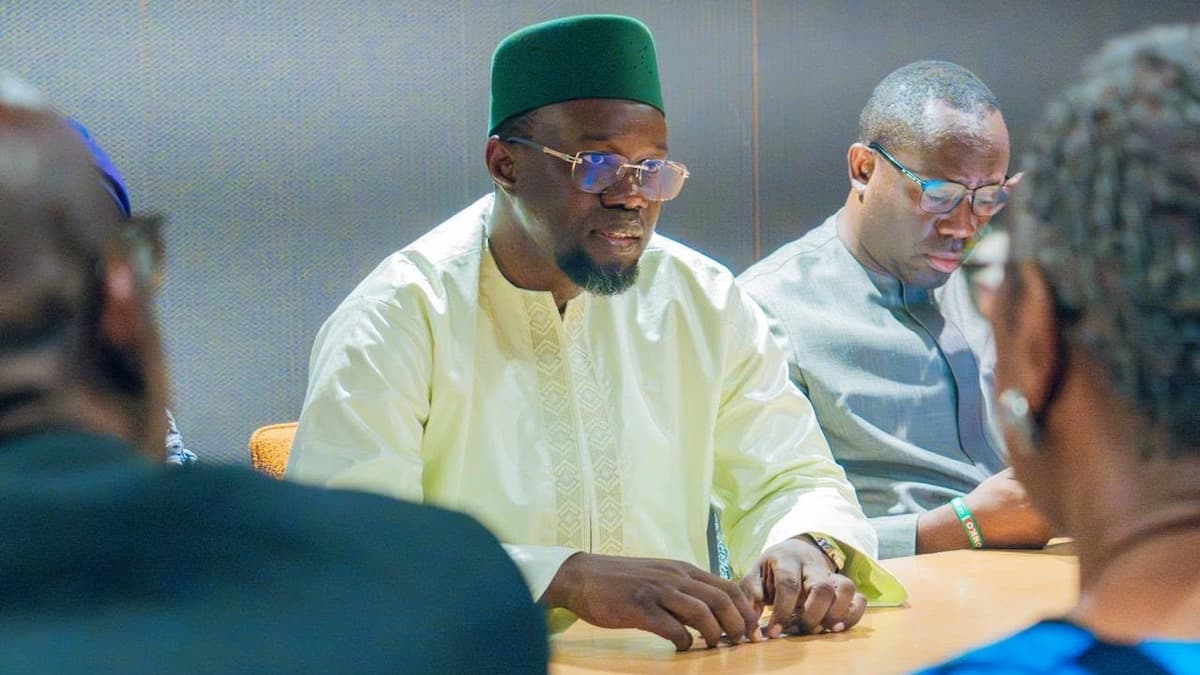
The Supreme Court’s judge for urgent matters has declined to intervene in the ongoing legal dispute surrounding Ousmane Sonko’s status as a deputy, asserting that the matter falls under the internal affairs of the parliamentary institution. This decision follows a petition filed by the Union nationale des indépendants du Sénégal, which challenged the validity of the procedure that enabled the Pastef leader to reclaim his parliamentary seat before being elected president of the National Assembly.
The latest court ruling adds to a prior decision by the Constitutional Council, which also declined jurisdiction in June over a similar appeal filed by eighteen opposition deputies. The Council argued that the contested act did not directly relate to the electoral process and thus fell outside its authority to assess the regularity of national elections. With two separate high courts—both the Supreme Court and the Constitutional Council—now declining to rule on the merits of the case, the legal limbo surrounding Sonko’s return to Parliament persists.
In response to the Supreme Court’s decision, lawyer Amadou Guèye condemned the ruling, describing it as an act of defiance and a source of legal disorder. His criticism echoes the concerns raised by opposition jurists and political leaders, who have for weeks warned of a judicial vacuum in this matter. Sonko himself has framed the repeated legal challenges against him as politically motivated conspiracies, alleging that his opponents are pursuing a purely partisan agenda rather than a legal one.
While the judge for urgent matters refused to issue an immediate ruling, the final verdict on the merits of the case remains pending. This ongoing uncertainty continues to fuel tensions between the parliamentary majority aligned with Sonko and sections of the opposition, which have launched multiple legal challenges without yet securing a favorable outcome in the courts.