
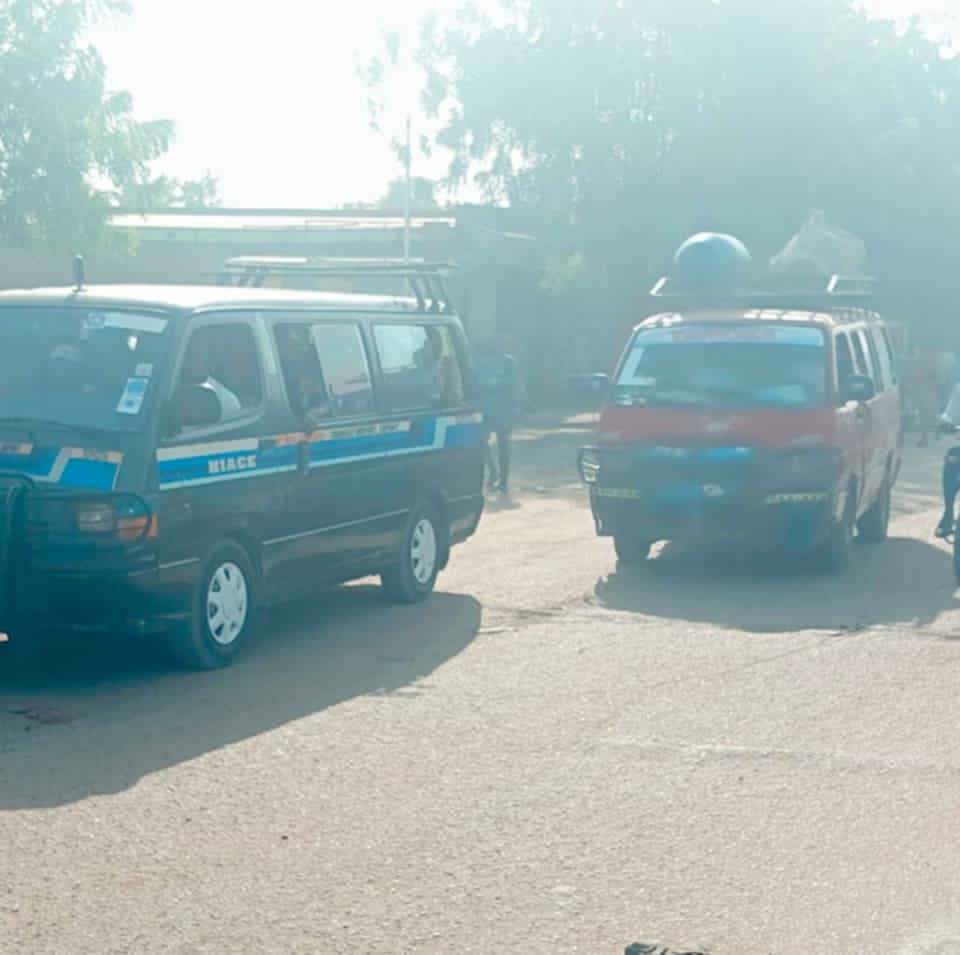
Tchad: fixing N’Djamena’s unregulated minibus stops for safer transit
N’Djamena’s lack of designated minibus stops creates daily traffic chaos, safety risks, and disorganized urban mobility. A structured approach is now essential.
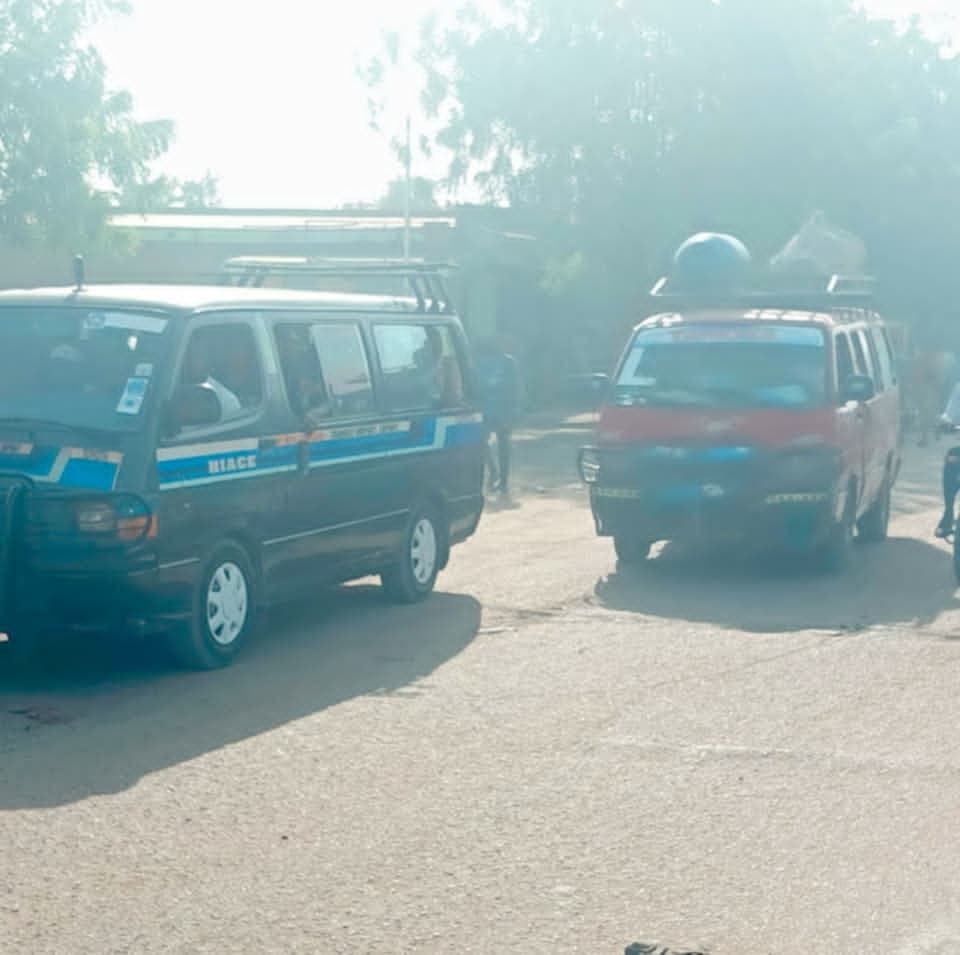
In Chad’s sprawling capital, where rapid urban growth outpaces infrastructure, minibuses remain the backbone of public transport. Yet their operation remains dangerously unregulated.
Every day, across N’Djamena’s busiest roads, minibuses pull over abruptly to pick up or drop off passengers—often in the middle of traffic. Without designated stops, drivers improvise, blocking lanes and forcing pedestrians to dodge moving vehicles. The result? Recurring delays, mounting safety hazards, and a city struggling with chaotic mobility.
This informal system doesn’t just inconvenience commuters—it endangers lives. Collisions spike during peak hours as minibuses weave through congested streets. Pedestrians, especially children and the elderly, face heightened risks when boarding or alighting in unmarked zones. The urgency to formalize minibus stops has never been clearer.
How structured stops could transform N’Djamena’s transport
A practical solution lies in creating clearly marked, spaced-out pickup and drop-off zones along major routes. Positioning these stops every 150 to 200 meters—adjusted for neighborhood density—would streamline boarding, reduce chaotic stops, and curb reckless driving behaviors linked to impromptu pickups.
Such measures aren’t new to Africa’s fast-growing cities. In Dakar, Lagos, and Nairobi, formalizing informal transit hubs has improved road discipline and efficiency. N’Djamena must follow suit. The transformation begins with small but critical steps: installing clear signage, adding sheltered stops, and engaging minibus operators to adopt safer practices.
Who must act—and how
The responsibility falls on multiple shoulders. Local authorities must prioritize urban mobility planning, while transport agencies coordinate with informal sector drivers. Community leaders can amplify awareness campaigns, educating both commuters and operators on the benefits of organized stops.
Yet infrastructure alone won’t suffice. A cultural shift is required—one that values order over improvisation. For a city expanding faster than its systems can adapt, this isn’t just about convenience. It’s about building a safer, more reliable transit network for all.
Structuring minibus stops isn’t a luxury—it’s a necessity for N’Djamena’s future. By taking decisive action now, the capital can pave the way for smoother, safer journeys and a model of urban mobility in Chad.