
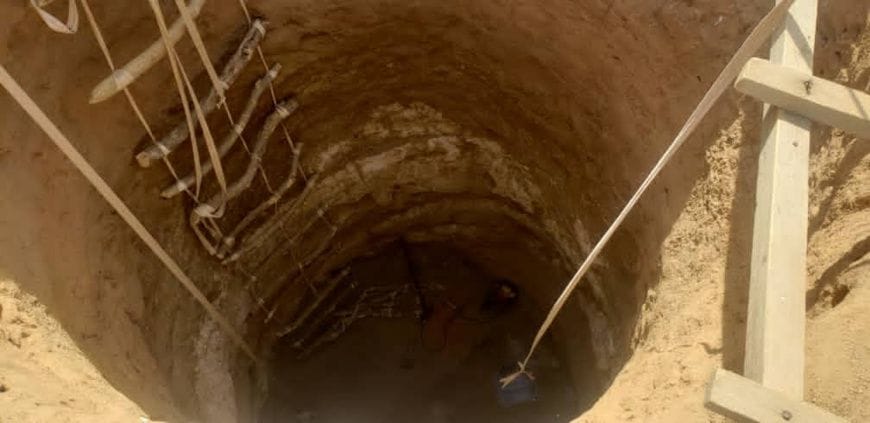
Tchad: the spectacle of ashes, the art of ruling through disorder
In the 21st century, perishing for a water well is neither divine fate nor ancestral tradition—it is the deliberate consequence of a hollowed-out governance vacuum.
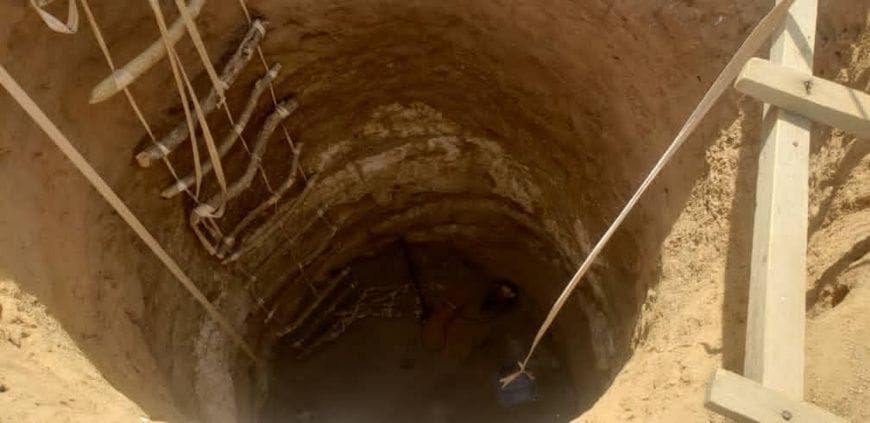
For three decades, the script has remained unchanged. The stage may shift, the faces of self-proclaimed saviors may rotate from father to son, yet the bloodshed persists in the same hue: the color of unfulfilled promises. Here, intercommunal strife is not resolved—it is orchestrated. The roar of military convoys and dust-choked village processions obscures the cries of victims, while the cold precision of an independent judiciary remains absent. This is a study in systemic failure.
The charade of displacement, the tragedy on the ground
When a dispute erupts over a water source or grazing land, the State’s reaction is always a carefully staged performance. High-level delegations arrive, mediation ceremonies unfold in grand fashion, and paternalistic speeches fill the air. But what remains once the dust from the 4x4s settles? Emptiness. That is the crux of the issue. This spectacle carries a hefty price tag. The budget for a single presidential tour or a flashy peacekeeping mission could fund the construction of thousands of modern wells, turning a scarce resource into a shared asset. Yet building lasting infrastructure would strip away the very justification for these grand interventions. By keeping institutions weak, the cycle of dependency—and the myth of the savior—is preserved.
Shattered institutions, a justice system in freefall
In functioning nations, leaders rarely abandon their capitals to mediate petty disputes—not out of disdain, but because the state operates as it should. In Chad, however, the political elite has systematically dismantled the judiciary. A strong justice system poses a direct threat to those who govern through arbitrariness. By denying courts the autonomy to settle disputes, the State forces citizens to take matters into their own hands. In the 21st century, dying for a water well is neither divine decree nor ancestral tradition; it is the direct outcome of a deliberately sustained institutional void. The political failure is absolute, as crisis management is prioritized over nation-building and unity.