
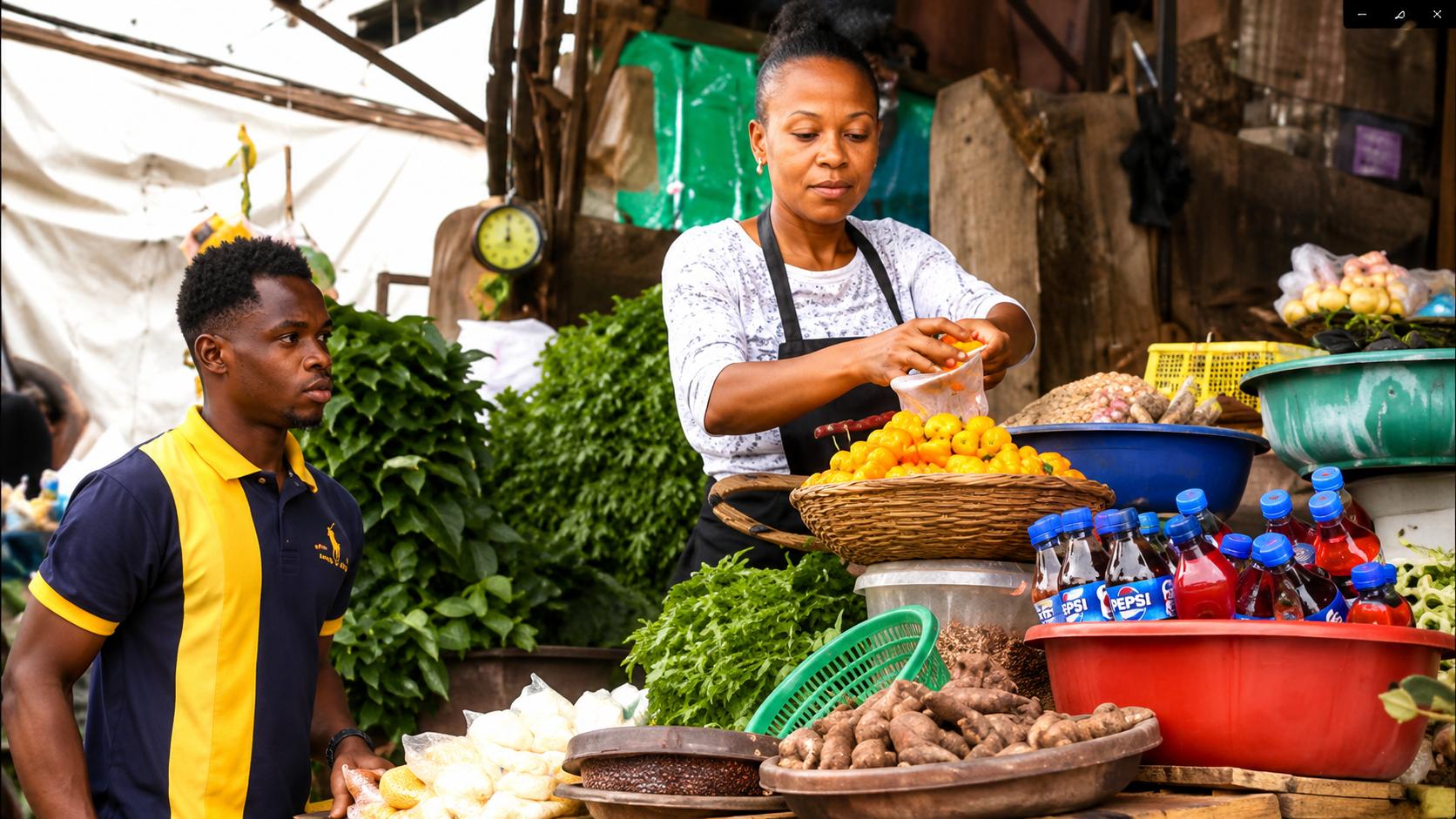
While official reports from the Central Bank of West African States suggest that regional inflation has flattened to nearly 0.0%, these statistics feel like a mirage for the populations of the Sahel. In Mali, Niger, and Burkina Faso, the economic relief celebrated in regional headquarters has not reached the territories of the Alliance of Sahel States (AES).
While declining global prices and favorable weather have eased the burden on coastal nations, the central Sahel remains trapped in a cycle of chronic price hikes. Official narratives in Bamako, Niamey, and Ouagadougou consistently point to external factors or foreign interference, often ignoring the direct consequences of their own political and economic strategies.
Security priorities and the breakdown of market networks
Insecurity continues to be the main driver of inflation in the region, yet its persistence calls into question the effectiveness of current transition policies. Despite the promise of rapid territorial reclamation, major transport corridors remain obstructed. The blockades maintained by armed groups are not merely tactical challenges; they represent a failure to secure the vital economic flows necessary for survival.
By concentrating the majority of national resources on military spending and equipment, authorities have sidelined essential investments in food storage and agricultural support. Restricted access to farmland is tightening its grip on local production. Consequently, the heavy militarization of the economy has neither restored security nor prevented the depletion of the food supply.
The logistical cost of ideological shifts
The rhetoric of sovereignty and economic rupture championed by the AES is colliding with the harsh reality of market prices. The desire to bypass traditional commercial networks for “politically correct” alternatives has led to immediate surcharges for the average consumer. Avoiding the natural ports of the sub-region for diplomatic reasons forces goods through longer, more complex, and inevitably more expensive routes. Sahelian households are the ones footing the bill for these ideological breaks at the market stalls.
Additionally, the centralized and sometimes authoritarian control of distribution channels by military regimes is creating unintended side effects. Attempts to regulate prices through bureaucracy or pressure on traditional economic players often discourage the private sector, resulting in artificial shortages and a thriving black market where costs spiral out of control.
Financial isolation and the lack of social support
Faced with this structural inflation, regional monetary tightening shows its limitations. Monetary policy cannot resolve physical shortages or unblock cut-off roads. Beyond the central bank’s actions, the internal fiscal exhaustion of these states is a growing concern.
By isolating themselves from various international donors and regional solidarity mechanisms, Mali, Niger, and Burkina Faso have significantly reduced their financial room for maneuver. With state funds largely absorbed by security costs and the maintenance of transition administrations, governments are unable to implement the social safety nets or subsidies needed to cushion the blow of the high cost of living.
As long as the leadership within the AES prioritizes the rhetoric of victimization over pragmatic economic governance and the actual protection of economic actors, the burden of expensive living will continue to weigh on the population, leaving official inflation data completely disconnected from the daily reality in the Sahel.