
Togo political reforms spark cautious optimism
After years of suppressed and banned public gatherings, Togo’s opposition coalition achieved a breakthrough this weekend by securing approval for a public assembly in Lomé. While authorities granted the permit, the question remains: Is this the dawn of political liberalization in Togo, or merely a temporary easing of restrictions?
CNCC coalition gathers momentum
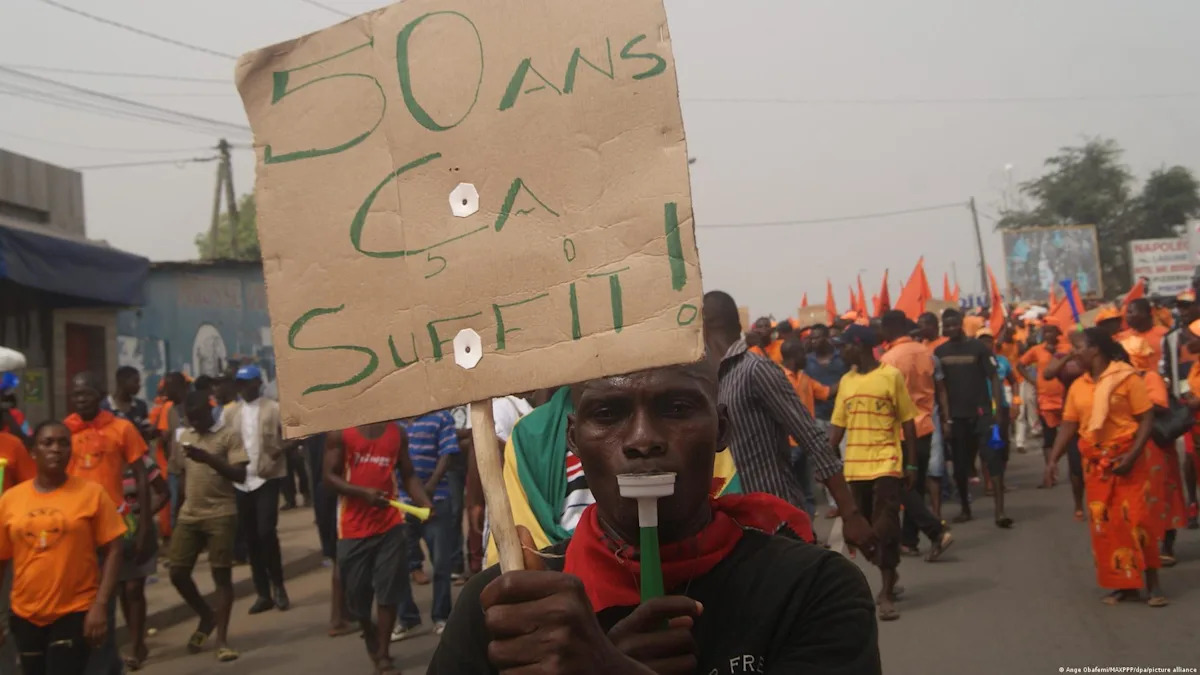
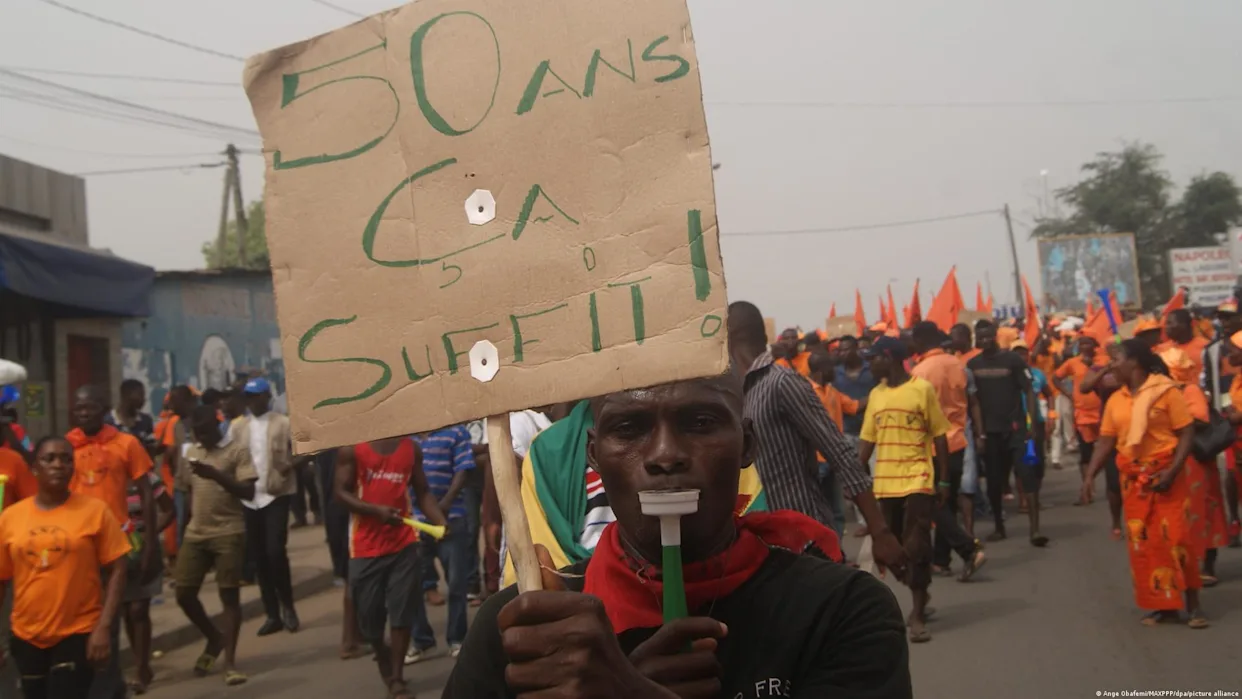
Hundreds of citizens converged on Saturday for the inaugural public meeting of the Cadre National de Concertation pour le Changement au Togo (CNCC), a new alliance uniting four opposition parties with civil society organizations.
Davdi Dosseh, spokesperson for the Front Citoyen Togo Debout and event organizer, emphasized the coalition’s resolve: “We demand governance reform because Togo suffers from systemic corruption, crumbling social services, and a stagnant economy. This nation is not moving forward.“
He further noted: “For years, authorities have consistently cited fabricated reasons to block peaceful assemblies. We refuse to surrender our right to peaceful protest.“
Temporary easing or lasting change?
Paul Amégankpo, political analyst and director of the Institut Togolais Tamberma pour la Gouvernance, cautioned against premature optimism. While acknowledging the government’s authorization of the opposition march as a positive step, he stressed the need for broader signs of commitment to democratic freedoms.
In his assessment: “The government’s permission for the May 9, 2026 peaceful march in Lomé deserves recognition. Yet given Togo’s broader political context, this gesture should be viewed cautiously—potentially as a strategic move to relax restrictions on peaceful assembly, association, and political activity.”
Amégankpo concluded: “We must observe further indicators of political will for genuine liberalization before confirming a definitive shift toward greater democratic freedoms in the country.”
Attempts to obtain an official government response have thus far yielded no results.
The coming weeks may reveal whether this permitted gathering marks the beginning of expanded democratic space or merely a fleeting respite in an otherwise tense political climate.