
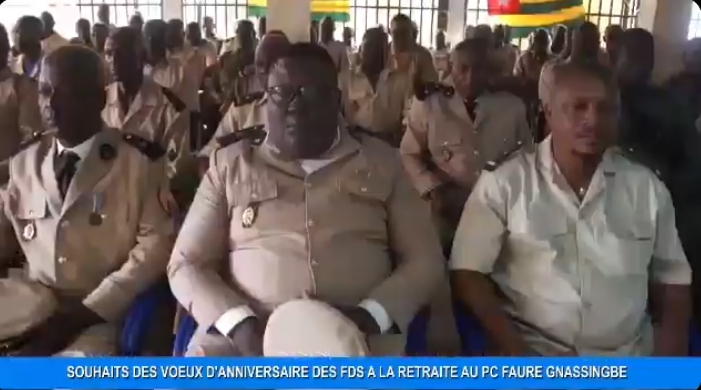
The political landscape in Togo has grown increasingly volatile following recent declarations attributed to groups identified as loyalist militias or paramilitary elements. In audio recordings and social media posts, individuals have pledged unwavering allegiance to the Gnassingbé family, vowing to “defend its power to the death,” even in the face of widespread popular dissent.
Loyalist rhetoric challenges republican principles
These statements stand out for their blatant disregard for the principles of republican neutrality. By framing their security role around the survival of a presidential dynasty rather than the Constitution or state institutions, these groups are adopting a pretorian guard mentality. Repeated phrases such as “If the people no longer want them, we will fight to the end” have drawn sharp criticism from observers, who view them as thinly veiled attempts to intimidate those advocating for political change.
The emergence of such rhetoric raises concerns about the existence of parallel armed structures or radicalized factions within the informal security apparatus. The alignment of these groups with the regime’s longevity, rather than national institutions, underscores a troubling shift in how power is perceived and defended.
Civil society and opposition denounce the escalation
Human rights organizations and opposition leaders have not remained silent in the face of these developments. They warn that such declarations echo the darkest chapters of Togo’s past, when political violence often marred efforts for democratic progress.
From the perspective of the opposition, these pronouncements are designed to instill fear and suppress peaceful mobilization. Activists are urging public authorities and the official military command to clarify their stance on these groups and unequivocally condemn their inflammatory rhetoric. The call is for a firm response to prevent the normalization of extra-constitutional force as a political tool.
The critical question of defense forces’ neutrality
In political journalism, it is essential to differentiate between state-sanctioned institutions and the self-proclaimed actions of pressure groups or private militias. Togo’s regular army has long been intertwined with political power, but the public emergence of factions claiming to act as a “last line of defense” outside official channels signals a potential privatization of legitimate violence.
To date, no direct response has been issued by official authorities regarding these specific declarations. The government has instead maintained a stance focused on institutional stability and national security, particularly in light of regional threats.
What lies ahead for Togo’s political climate
As the country grapples with a complex post-constitutional environment, the handling of this ultraloyalist discourse will serve as a litmus test for the government’s commitment to fostering dialogue or resorting to confrontation. The trajectory of these tensions may well determine whether Togo can navigate its political challenges through negotiation or succumb to deeper instability.