
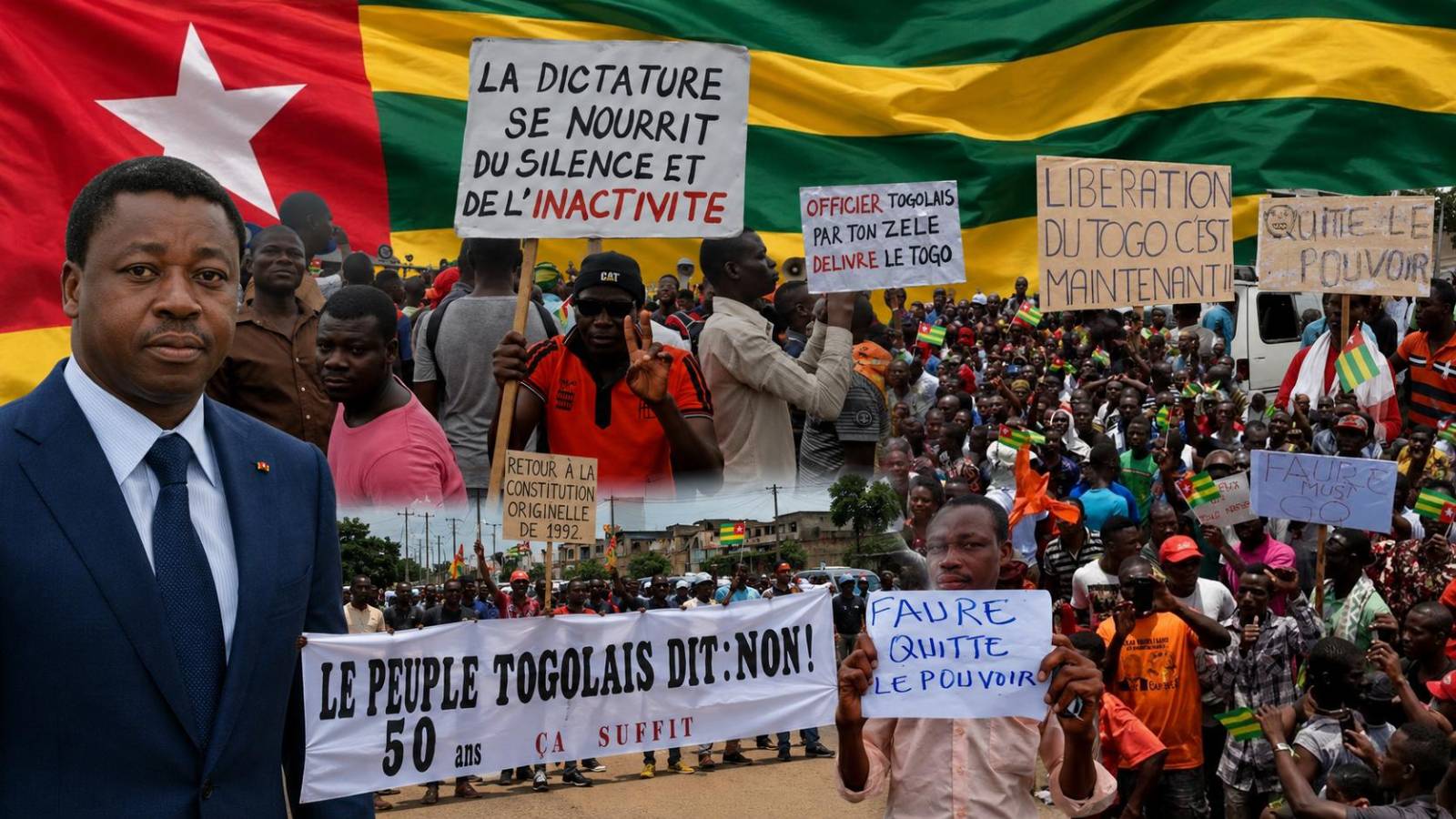
Togo is currently navigating an unparalleled juncture in its political narrative. While the administration of Faure Gnassingbé has finalized its institutional transformation towards a Fifth Parliamentary Republic, a palpable weariness permeates the echelons of power. Between a reconfiguring regional diplomatic landscape and a beleaguered younger generation, the societal fissures have never been more pronounced. This analysis examines a pivotal moment where the protracted silence of the Economic Community of West African States (CEDEAO) may signal an awaited shift.
A flexible governance structure at its operational limits
Since 2005, the prevailing system has persisted through a strategy of «continuous circumvention». Positioning himself alternately as a mediator in regional conflicts (Mali, Niger) or a proponent of security stability against northern terrorist threats, Faure Gnassingbé cultivated an image as an «essential sagacious figure» for the international community.
Yet, beneath this facade of a regional negotiator lies an unyielding domestic reality:
- Institutional Entrenchment: The transition to a parliamentary system, formalized between 2024 and 2025, has rendered the presidency a largely ceremonial role, transferring substantive authority to a «President of the Council of Ministers» devoid of genuine limitations on tenure.
- Societal Stagnation: Despite the macroeconomic growth indicators frequently lauded by Lomé II, the average household budget remains constrained. High rates of youth unemployment and underemployment represent latent destabilizers that rhetoric on entrepreneurship can no longer adequately address.
The shattered myth of ECOWAS as a regional guardian
The deterrent argument, long invoked, stated: «Should the regime falter, ECOWAS would intervene to restore constitutional order.» By 2026, this perceived threat has become an empty gesture.
The ECOWAS of the post-coup era (Mali, Burkina Faso, Niger) is an organization grappling with diminished strength and a quest for renewed legitimacy. It has learned, at considerable cost, that an uncritical opposition to popular aspirations within a member state is the shortest route to its own erosion.
The conclusion is unequivocal: Should the Togolese populace, through a unified and sovereign surge, decide to reclaim national governance, ECOWAS — already criticized for its inconsistent application of principles — would remain a bystander. Its response would likely be confined to appeals for a «peaceful transition.» The diplomatic immunity enjoyed by the current administration now rests on a precarious foundation.
The imperative for youth: now or never
The timing is opportune because the regime no longer possesses the sustained capacity to indefinitely suppress a demographic that constitutes 70% of the population. However, assuming responsibility does not equate to disorder. It demands a fundamental reorientation:
- Ceasing to be the Instrument of One’s Own Subjugation: Young individuals within the public administration, security forces, and ruling party circles must recognize that the system they perpetuate is precisely the one jeopardizing the future of their own descendants.
- Cultivating an Alternative: Transformative change will not materialize from a singular, providential figure but from robust civic organization. The youth must actively engage in intellectual discourse and demand rigorous accountability regarding the management of national assets (phosphates, the Port of Lomé, infrastructure).
- Confronting Apprehension: The regime leverages memories of historical repressions to inhibit collective action. Yet, history demonstrates that the most inflexible systems are also the most vulnerable once they lose their foundation of popular consent.
A historical imperative
Faure Gnassingbé has reconfigured the regulations to secure an indefinite tenure. Nevertheless, no constitutional framework, however artfully crafted, can withstand the collective will of a populace that has transcended its fears. Togo is not a private estate; it is a shared national patrimony.
Passivity is no longer a viable path to survival; rather, it constitutes complicity in decline. Young Togolese, the moment when the world will regard you with esteem is not a decade away. It is here, in your collective ability to declare, with one voice: «The era for alternation has arrived.»