
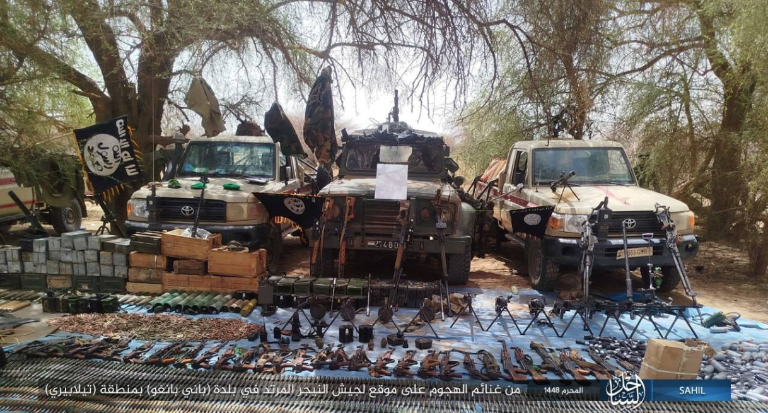
On Wednesday, June 24, 2026, Niger was plunged into a state of mourning following a wave of extreme violence. Coordinated assaults launched by the Islamic State in the Sahel (ISS) targeted military detachments in Inates and Banibangou, leaving a trail of devastation. The provisional toll indicates at least 80 deaths, dozens of vehicles incinerated, and a significant amount of heavy weaponry seized by the insurgents. Beyond the staggering loss of life, these events have effectively paralyzed daily existence and the local economy in these sensitive border regions.
A synchronized and lethal military offensive
The precision and timing of the strikes on June 24, 2026, underscore a high level of preparation by the terrorist groups. The attackers struck at a moment when troop movements are traditionally most difficult to manage, catching the Nigerien defense and security forces in a pincer movement.
In Inates, a location frequently caught in the crossfire of the “three borders” zone involving Niger, Mali, and Burkina Faso, the confrontation was particularly fierce. Reports from the scene indicate the loss of at least 70 soldiers, with 22 military vehicles destroyed and another 24 captured by the militants. Simultaneously, a second column targeted Banibangou, resulting in at least 10 fatalities, 16 vehicles destroyed, and 6 others taken. This double offensive suggests that despite ongoing regional security operations, armed groups maintain a dangerous level of mobility and the ability to exploit porous international boundaries.
Economic paralysis: Markets closed and supply lines severed
The impact of these attacks extends far beyond the military sphere, dealing a severe blow to the economy of the Tillabéri region. Banibangou and Inates serve as vital commercial hubs for the civilian population. When violence erupts, the local markets—the lifeblood of the community—fall silent. In just 48 hours, the price of basic necessities has doubled as transport trucks cease to circulate.
The economic fallout is visible across three critical areas:
- Suspension of weekly fairs: These markets are the primary engines for livestock and grain trade. They are currently abandoned as residents fear further raids.
- Roadway blockades: With nearly 70 vehicles either destroyed or stolen, the region faces a total lack of secure transport, further isolating these communities from the rest of Niger.
- Agricultural disruption: As the rainy season approaches, farmers and herders are terrified to venture into their fields, creating a direct threat to long-term food security.
National mourning and the resilience of the people
From the capital of Niamey to the rural stretches of Tillabéri, the atmosphere is heavy with grief. While families wait for news of their loved ones, survivors from Banibangou describe scenes of absolute chaos. The strategy of the ISS appears designed not only to weaken the state’s security apparatus but also to shatter the morale of the citizenry, pushing them toward displacement or submission.
Despite the pervasive fear, a spirit of national solidarity is emerging. Hospitals in the capital have seen a surge in citizens arriving to donate blood for the wounded. Meanwhile, civil society leaders are calling on the government to ensure that peripheral territories are not neglected in favor of urban centers.
The future of security strategy in Niger
The events in Inates and Banibangou raise urgent questions regarding the effectiveness of current surveillance and early warning systems. For the military leadership, this setback necessitates an immediate tactical review. The priority moving forward must be the restoration of public trust.
Military presence alone will not stabilize the region without a minimum level of economic security and the reopening of trade routes. The challenge in the coming weeks will be twofold: neutralizing the terrorist threat through robust counter-offensives and providing an economic lifeline to a region currently on the brink of financial collapse.