
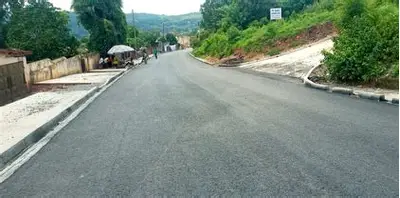
The Route Kara–Kabou, a critical cross-border road connecting Togo and Benin, is poised for a transformative upgrade following a landmark funding commitment. The African Development Bank (AfDB), through its concessional financing arm, the African Development Fund, has approved a substantial investment exceeding $59 million to rehabilitate and modernize this vital transport corridor.
This ambitious initiative is being co-financed by the Islamic Development Bank (IsDB) and the West African Economic and Monetary Union (WAEMU), signaling a collaborative effort to enhance regional connectivity. The project is set to deliver far-reaching economic and social benefits for both nations, reshaping the landscape of West African trade and mobility.
Economic and logistical advantages for transport professionals
The current state of transboundary road infrastructure poses persistent challenges for logistics providers and freight operators. The modernization of the Kara–Kabou corridor will address these inefficiencies across three pivotal dimensions:
- Reduced operational costs: A paved and well-maintained road surface will minimize vehicle wear and tear, lowering expenses associated with tire replacements, suspension repairs, and engine maintenance for trucking fleets.
- Faster transit times: The elimination of potholes and uneven surfaces will streamline traffic flow, enabling quicker turnaround times for goods transport and enhancing overall fleet efficiency.
- Enhanced road safety: Upgrades to road alignment, signage, and protective barriers will significantly reduce accident risks, safeguarding drivers, cargo, and commercial investments.
Improved mobility and quality of life for local populations
The project’s impact extends beyond commercial benefits, directly improving the lives of thousands of Beninese and Togolese citizens. Travelers, small-scale traders, and families will experience:
- Shorter travel durations, reducing fatigue and travel-related stress.
- Greater comfort through smoother road conditions, minimizing vehicle damage and travel disruptions.
- Improved access to essential services, including healthcare facilities, educational institutions, and agricultural markets, thereby alleviating isolation in rural communities along the route.
Strengthening regional trade and integration
By fostering seamless connectivity between Benin and Togo, the rehabilitated corridor will serve as a critical enabler of the WAEMU’s vision for subregional integration. Several key advantages will emerge:
- Accelerated agricultural trade: Farmers and producers will gain faster, more reliable access to urban markets and port cities such as Lomé and Cotonou, reducing spoilage of perishable goods and expanding market opportunities.
- Enhanced competitiveness: The elimination of physical trade barriers will lower transaction costs, making West African goods more competitive in regional and international markets.
- Sustainable economic growth: A more interconnected transport network will attract investment, stimulate industrial activity, and create employment opportunities across both countries.
The Route Kara–Kabou project exemplifies a strategic investment in infrastructure that transcends national boundaries, paving the way for a more dynamic, inclusive, and prosperous West Africa.