
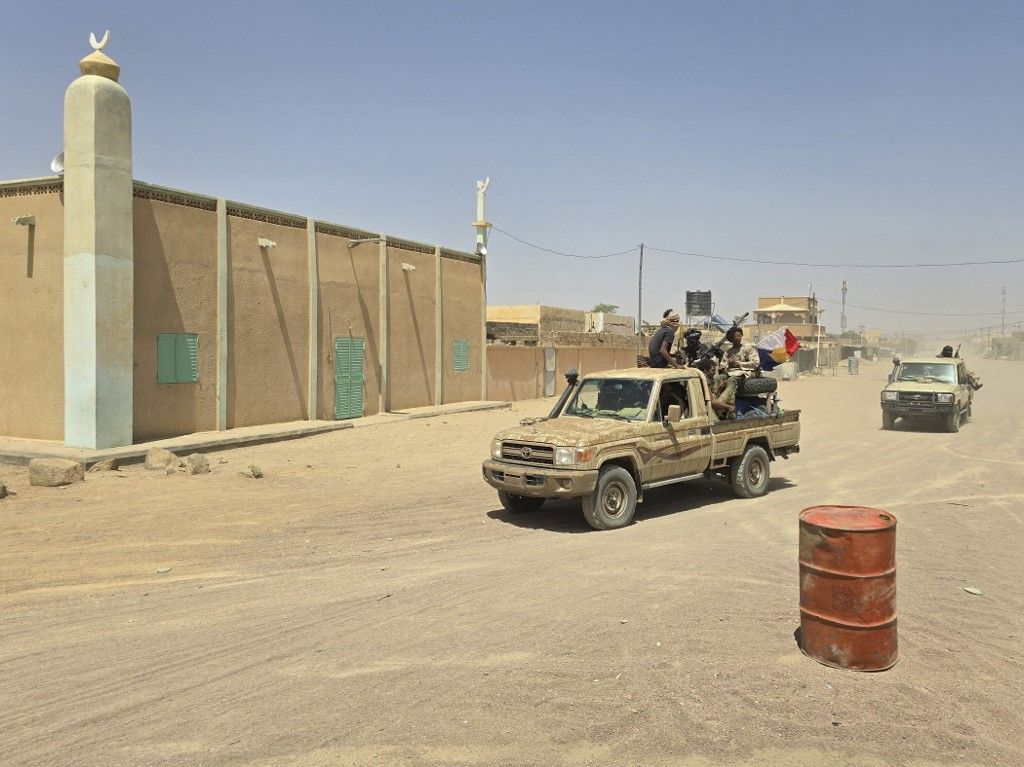
JNIM: Mali’s growing jihadist threat and its ambitions
The Jama’at Nusrat al-Islam wal-Muslimin (JNIM) now threatens Bamako as Mali’s most powerful jihadist alliance. Here’s what you need to know about this Al-Qaeda-affiliated group and its dangerous rise in the Sahel.

The Jama’at Nusrat al-Islam wal-Muslimin (JNIM) has emerged as the dominant armed group in Mali’s ongoing conflict. With approximately 5,000 fighters, this Al-Qaeda-affiliated organization now controls vast territories and poses a direct threat to Bamako. Its military successes have intensified following the withdrawal of French forces from Operation Barkhane, creating a dangerous power vacuum in the region.
The JNIM was officially formed on March 2, 2017, through the merger of four major jihadist factions operating across the Sahel. Led by Iyad Ag Ghali, a former Tuareg rebel turned diplomat, the group quickly gained notoriety for its brutal tactics and strict interpretation of Islamic law. Its ultimate goal remains the establishment of an Islamic emirate spanning the Sahel region.
Military strategy and regional impact
The JNIM’s recent offensive strategy combines military pressure with economic warfare. In September 2025, the group imposed crippling blockades around key Malian cities, demonstrating its capacity to disrupt supply lines and civilian life. This tactic serves as preparation for larger-scale confrontations with government forces and rival armed groups.
Analysts warn that the group’s alliance with Tuareg rebels has significantly expanded its operational reach. This partnership has already resulted in major territorial gains, bringing JNIM forces dangerously close to Bamako. The group’s ability to coordinate attacks across multiple fronts has made it the primary security challenge facing Mali’s transitional government.
Ideology and future prospects
The JNIM’s ideology is rooted in a strict interpretation of Islam that rejects Western influence and democratic governance. While the group claims to represent local grievances, its violent methods have alienated many communities across the Sahel. The international community continues to monitor the group’s movements, particularly as it gains ground in Mali’s central regions.
As Mali’s security situation deteriorates, the JNIM’s ambitions pose a growing threat not just to Bamako but to the entire Sahel region. The group’s success in exploiting governance gaps and military weaknesses has forced regional powers to reconsider their counter-terrorism strategies.
Related coverage
- Mali’s worsening crisis: JNIM’s blockade of Bamako
The group’s recent economic warfare tactics have cut off supply routes to the capital, raising fears of a humanitarian crisis.
- Security vacuum in the Sahel following French withdrawal
Regional analysts examine how the absence of international forces has emboldened jihadist groups across West Africa.
- The rise of Iyad Ag Ghali: From rebel leader to jihadist emir
An examination of the group’s leader and his transformation from Tuareg activist to Al-Qaeda-affiliated warlord.