

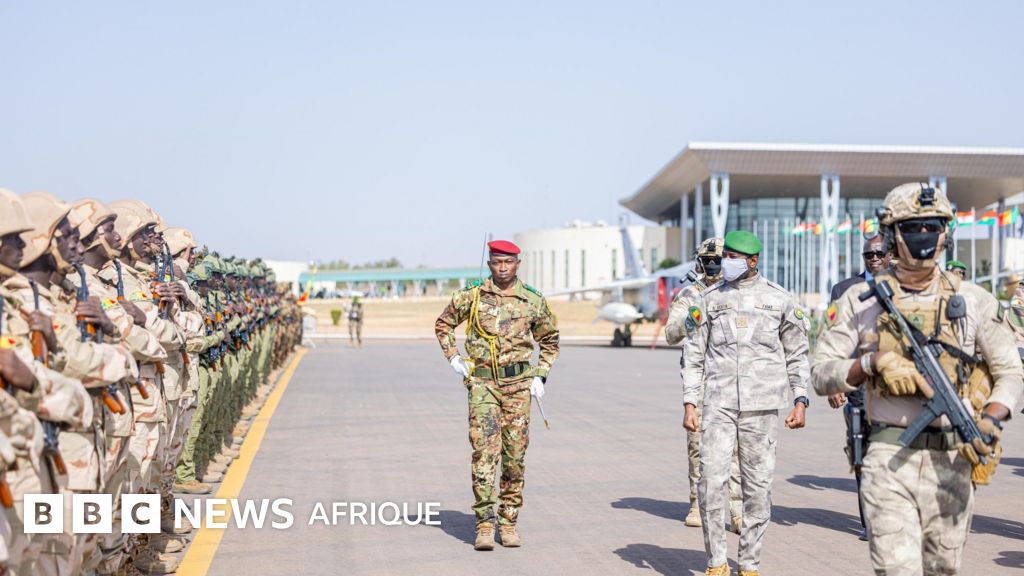
how the unified force of the AES aims to reshape security in west africa
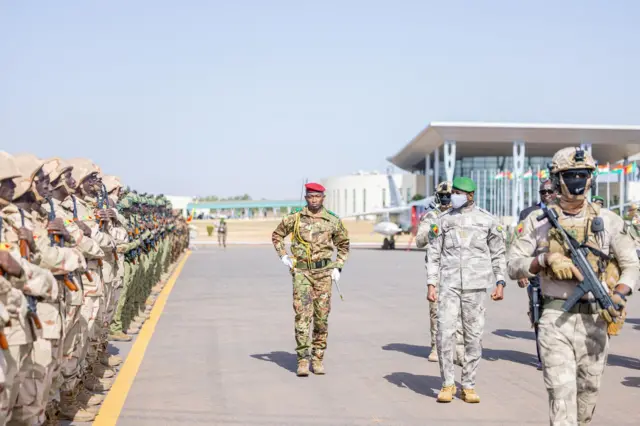
leaders of the Mali, Burkina Faso, and Niger convened in Bamako for a two-day summit to assess progress since the alliance’s founding in july 2024. the discussions focus on security challenges, diplomatic strategies, development initiatives, and the appointment of a new confederation president. this meeting marks a pivotal moment in operationalizing the confederation’s institutions after its first year of existence.
according to the malian government, the summit aims to evaluate the implementation of the confederation’s roadmap and address both regional and international concerns. significant strides have been made in the past year, including the establishment of confederation bodies and enhanced coordination among the three member states.
the summit follows the official launch of the AES unified force (FU-AES), a multinational military unit comprising 5,000 soldiers from the three countries. this force, led by Burkina Faso’s general daouda traoré, is designed to combat armed groups and jihadist threats across the Sahel region.
what is the unified force of the AES?
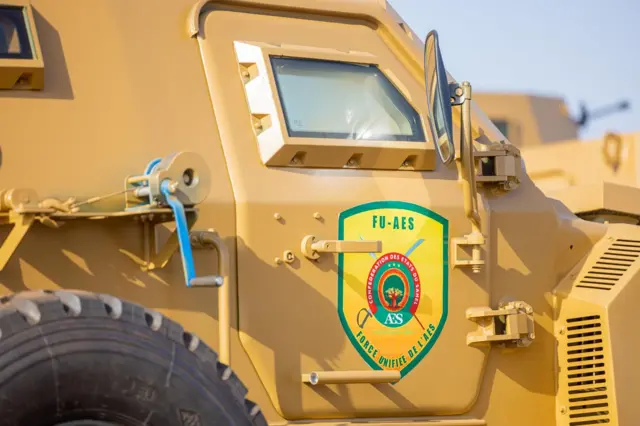
the AES unified force was established to address the persistent security threats posed by armed groups operating across Mali, Burkina Faso, and Niger. the three nations have faced cross-border attacks, instability in border regions, and the mobility of jihadist groups. the force aims to enhance military coordination, intelligence sharing, and synchronized operations to mitigate these risks.
the creation of this unified force represents a strategic shift toward mutual defense and regional solidarity. as stated by malian defense minister general sadio camara, “peace, security, and sovereignty cannot be delegated.” this initiative underscores the irreversible commitment of the AES member states to collective security.
how can the unified force achieve its objectives?
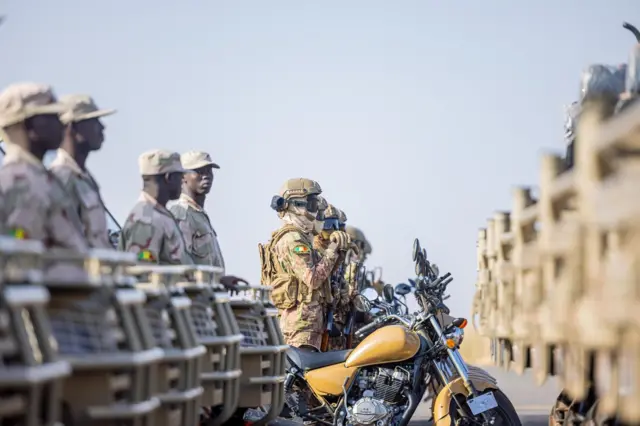
to ensure effectiveness, the AES unified force must prioritize several critical factors:
- intelligence-driven operations: gather, process, and act on intelligence swiftly to target structured enemy groups effectively. a streamlined intelligence-action cycle is essential for rapid and decisive strikes.
- sustained territorial control: avoid the pitfalls of hit-and-run tactics. occupying and securing key areas—such as markets, villages, and transportation routes—is crucial to prevent the resurgence of armed groups.
- coordination and logistics: seamless cooperation among the three nations’ militaries is vital. this includes unified command structures, joint planning, shared logistics, medical evacuation, and casualty management.
- local governance and trust-building: military success alone is insufficient. addressing local grievances—such as land disputes, communal conflicts, and justice gaps—is necessary to prevent the regeneration of violence and ensure long-term stability.
according to fiacre vidjenagninou, senior researcher at the behanzin institute in Cotonou and the egmont institute in brussels, “a force can win battles but without minimal governance, it cannot achieve lasting stabilization.”
vidjenagninou emphasizes the importance of a phased approach to integration. he recommends first proving the force’s effectiveness with the three founding countries before expanding to neighboring states. this gradual strategy helps build trust and ensures smoother coordination, avoiding the complexities that arise from differing national interests and doctrines.
expanding the alliance: opportunities and challenges
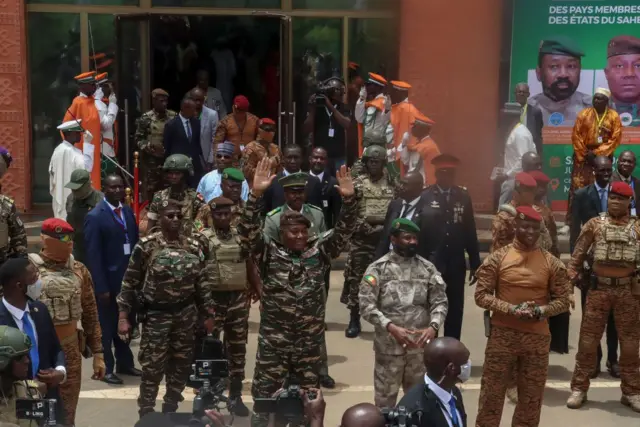
while the AES unified force represents a significant political milestone, its credibility hinges on tangible results and the ability to command collectively. the upcoming Bamako summit will include a meeting with the force’s leadership to discuss operational strategies and institutional strengthening.
in addition to security concerns, the summit will address the launch of the AES television (based in Bamako) and the radio daandè liptako (based in Ouagadougou). discussions will also cover the establishment of the confederal investment and development bank, with an initial capital of 500 billion cfa francs.
the formation of the AES stems from the 2020, 2022, and 2023 coups in Mali, Burkina Faso, and Niger, respectively. these countries withdrew from the Economic Community of West African States (ECOWAS) after facing sanctions and potential military intervention. the alliance was formalized with the liptako-gourma charter in september 2023 and officially established as a confederation on july 6, 2024.
as the AES navigates its second year, the unified force’s ability to deliver security and stability will be a litmus test for the alliance’s future. success will depend not only on military prowess but also on addressing the root causes of instability and fostering regional cooperation.