
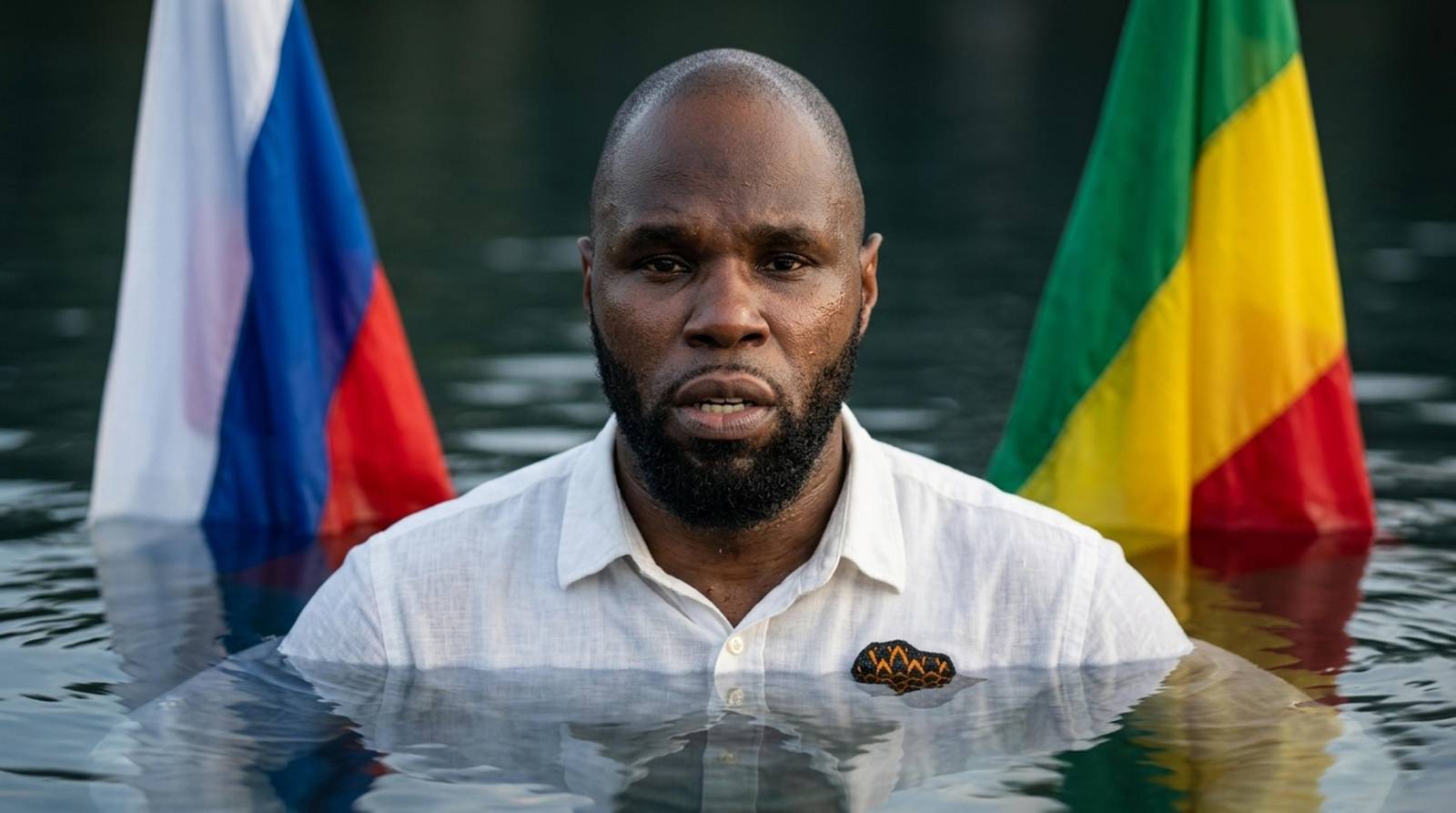
the Sahel’s harsh reality: when promises fall short
In the Sahel, where violence has reached alarming levels, the once-untouchable claims of certain panafricanist ideologues are crumbling under the weight of reality. Military setbacks and political miscalculations have exposed the flaws in a security approach that promised much but delivered little.
Mali’s dual attacks expose Russia’s limitations
The coordinated assaults on Kati and Kidal bases last weekend served as a stark reminder of Moscow’s unmet expectations. Despite the Africa Corps’ large-scale deployment, armed groups demonstrated alarming audacity and coordination, proving that Russia’s partnership is far from the impenetrable shield it was advertised to be. This bold incursion into critical zones has laid bare the vulnerabilities of a strategy that now appears exhausted.
The Sahel’s populations, caught between escalating insecurity and unfulfilled pledges, continue to pay the price for a foreign alliance that seems increasingly out of touch with their urgent needs.
kemi seba: from russian ally to vocal critic
Amid this unfolding crisis, the shifting stance of Kemi Seba stands out. Once a fervent advocate for Russian influence in West Africa, Seba now openly questions Moscow’s motives, dismissing its presence as purely transactional. Yet this dramatic turn in his rhetoric didn’t happen overnight.
Seba’s transformation began long before his recent outspokenness. After his arrest and forced relocation to South Africa for political asylum, his perspective shifted markedly. Exiled from the Sahelian frontlines, he no longer saw eye-to-eye with his former ally. Today, his accusations—that Russia’s primary interest lies in extracting mineral wealth—only reinforce what he had already come to recognize from afar: a relationship built on divergent priorities.
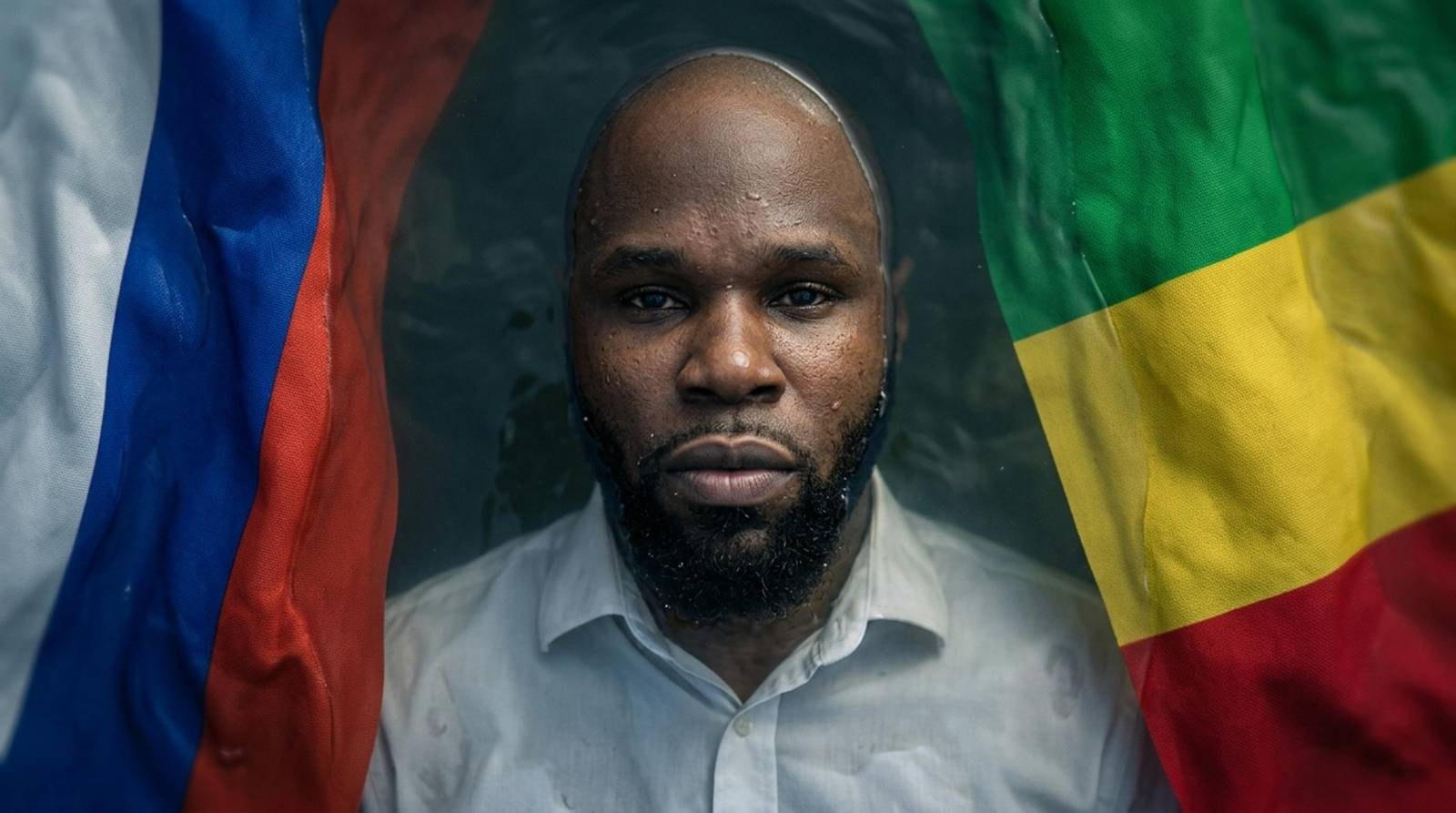
the west african alliance (AES) grapples with uncertainty
The unease extends beyond Seba’s personal evolution. For Burkina Faso and Niger, the turmoil in Mali serves as a cautionary tale. The once-hyped narrative of an Eastern savior has collided with a brutal truth: insecurity is worsening, and the cost of this foreign support is eroding sovereignty at an unsustainable pace.
The Sahel now stands at a crossroads. With a Russian partner seemingly fixated on its own gains and media figures adjusting their stances to fit personal circumstances, the region’s people remain trapped in a cycle of unmet promises and escalating threats. What they desperately need is not another ideological pivot or foreign intervention, but a real, lasting solution to restore stability and security.