
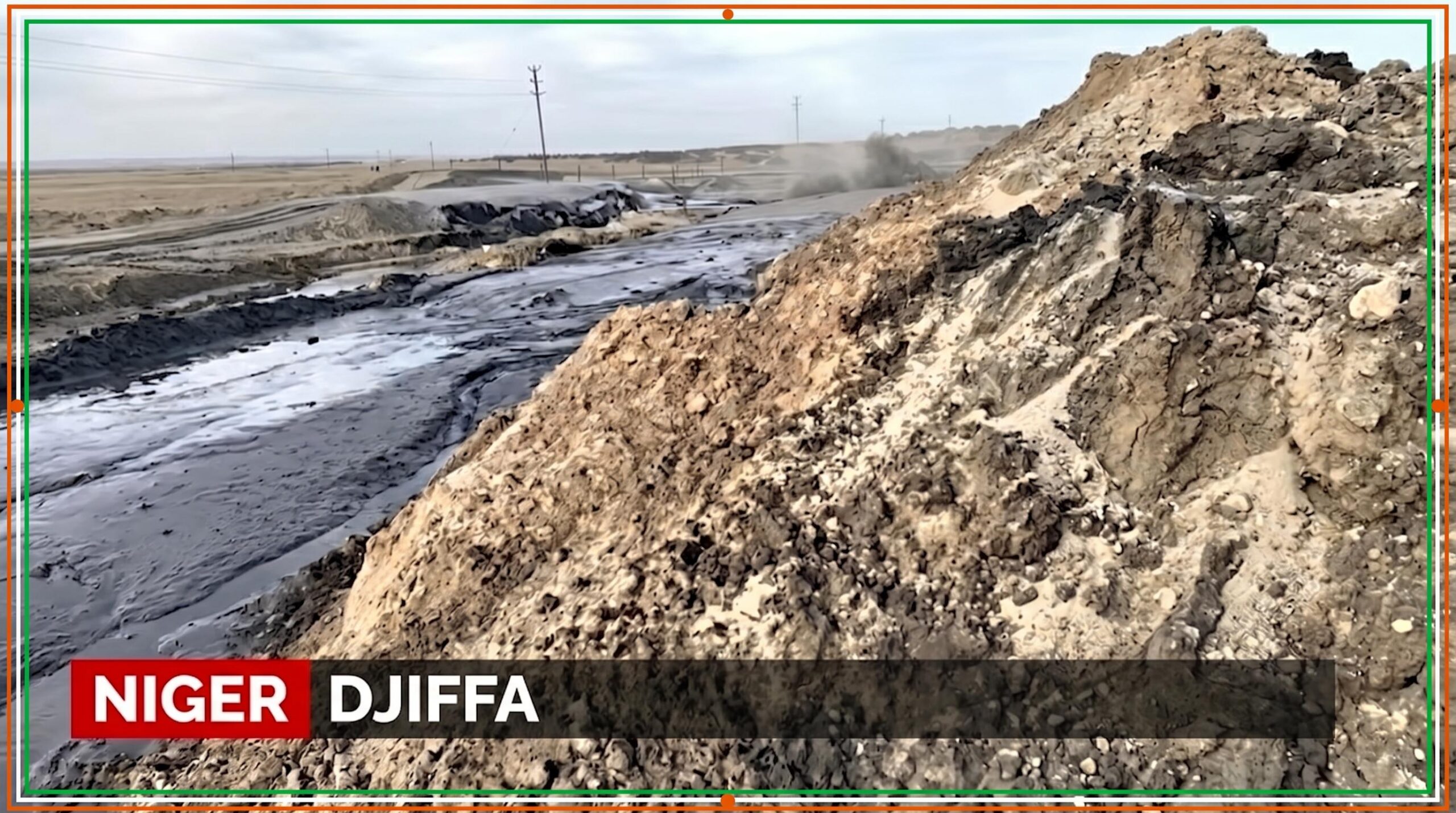
When oil spills threaten the future: Diffa’s unfolding environmental crisis
The quiet transformation of Diffa’s landscape into a dark, oily stain has raised urgent questions in Niger. For nearly a week, a growing oil spill has spread across the region’s fragile terrain, posing a stark challenge to both local communities and the nation’s environmental priorities. At the heart of this crisis lies a critical dilemma: how long can Niger afford to wait before mounting a decisive environmental response?
While the full scale of contamination remains under investigation, one truth is undeniable. Every hour that passes without effective containment allows the spill’s impact to deepen—threatening clean water sources, agricultural lands, and the stability of livelihoods that depend on the land. The situation at Diffa is not just an industrial accident; it is an environmental emergency demanding immediate action.
From warning signs to full-blown threat: understanding the spill’s origins
The oil slick spreading across Diffa’s terrain likely originates from a breach in infrastructure related to regional petroleum activities. Yet the source, volume, and exact environmental effects remain uncertain. Field assessments are still underway, but the potential consequences are already clear.
If left unchecked, the spill could:
- Seep into groundwater, contaminating vital water supplies for thousands of residents.
- Poison farmland and grazing areas, undermining food security in a region already facing economic challenges.
- Disrupt local ecosystems, endangering wildlife and disrupting the delicate balance of arid ecosystems.
- Create long-term health risks for families living near the spill zone, from respiratory issues to prolonged exposure concerns.
This isn’t just a technical failure—it is a threat to the environment and public health at a local scale, with potential national repercussions.
Why silence amplifies every risk in the Diffa spill
Communities have a right to clarity. When environmental incidents unfold without transparent communication, suspicion rises—and trust erodes. Residents are left wondering: has the spill been contained? Who is responsible for stopping the leak? Will they ever be told what they’re breathing or drinking?
Without authoritative updates, rumors spread. Families question whether their water is safe. Farmers evaluate whether their crops can still grow. Pastoralists weigh the health of their livestock. The longer information gaps persist, the more acute the anxiety—and the harder it becomes to implement effective remedies.
Transparency isn’t optional; it’s essential. Clear, consistent updates from authorities and operators reassure the public, guide precautionary measures, and support coordinated cleanup efforts. Niger’s government must prioritize open communication to prevent misinformation and protect public safety.
Beyond the crude: long-term costs of environmental neglect
Oil may fuel Niger’s economy, but it should never come at the expense of its environment. A delayed or inadequate response doesn’t just risk immediate ecological damage—it sets a troubling precedent. If weak safety protocols and slow interventions are tolerated, similar crises could recur, eroding public trust and international confidence in the country’s environmental governance.
Restoring trust requires:
- Rapid identification and repair of the spill’s source to stop further contamination.
- Independent environmental sampling to assess the true impact on soil, water, and ecosystems.
- Public disclosure of findings and ongoing mitigation plans.
- Accountability measures if negligence contributed to the incident.
These steps are not optional—they are evidence of a nation committed to sustainable resource development.
Diffa’s crisis: a test of Niger’s environmental leadership
This is more than a spill. It is a defining moment for Niger’s environmental stewardship. Will the nation act with urgency to protect both its people and its ecological future? Or will inaction allow a preventable disaster to deepen?
Diffa’s communities cannot afford to be forgotten. The choices made today—how quickly the spill is halted, how transparently the crisis is communicated, how seriously the environment is defended—will echo for generations. The time to act is now.
What you can do
While authorities must lead the response, public awareness can drive accountability. If you live in the region or have concerns about environmental safety, consider:
- Contacting local environmental agencies to request updates.
- Avoiding direct contact with contaminated water or soil.
- Sharing only verified information to prevent the spread of rumors.
Niger’s future depends not just on its oil, but on how wisely it protects what makes life possible: the land, the water, and the health of its people.
Key questions that demand answers now
- Has the source of the spill been identified?
- Have containment barriers been deployed?
- Are affected communities receiving safety guidance?
- Will independent environmental assessments be made public?
- What accountability measures are in place for the operators involved?