
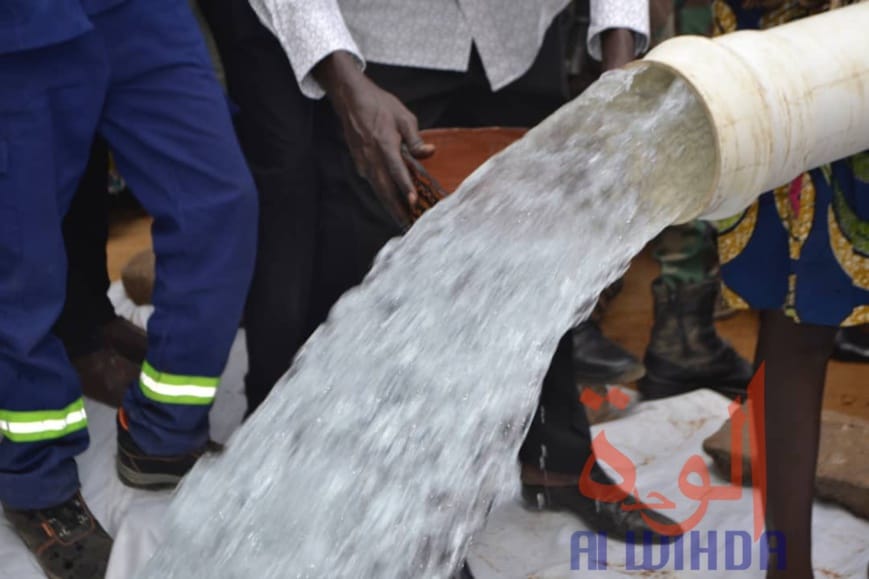
The World Bank has greenlit a transformative initiative in Chad, allocating a $160 million grant to bolster water security and climate resilience across vulnerable regions of the country. This landmark investment targets one million people, with over half being women, reflecting a commitment to inclusive development in the face of escalating environmental challenges.
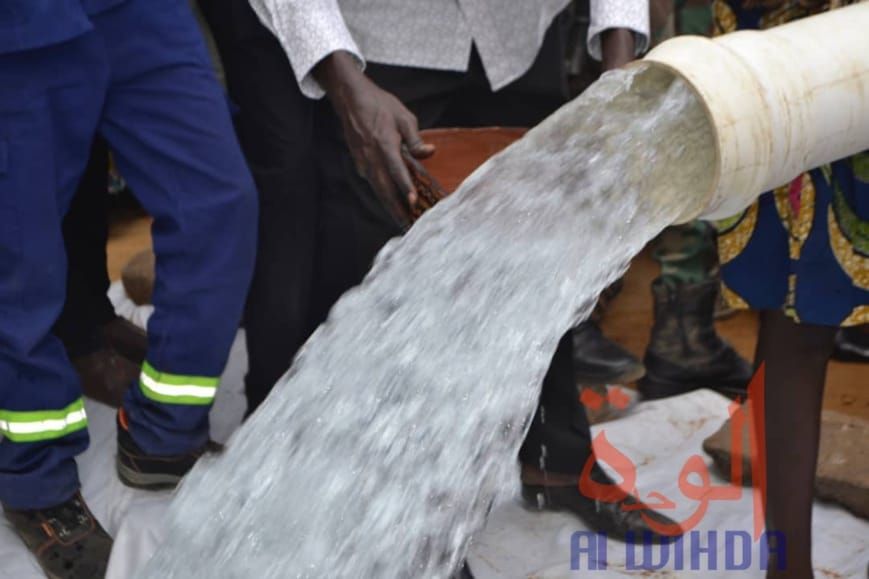
Chad’s water security challenged by climate change and displacement
Chad faces mounting pressure on its water resources, compounded by climate-induced disasters like droughts, floods, and land degradation. The situation is exacerbated by the presence of over 1.3 million Sudanese refugees in eastern Chad, straining already fragile ecosystems and community relations. The new World Bank-funded project aims to address these pressing issues by enhancing water infrastructure, promoting sustainable resource management, and empowering local communities.
Project structure: From humanitarian aid to long-term resilience
The initiative, known as the Chad Water Security and Climate Resilience Project (CWSCRP), is designed to bridge the gap between emergency response and sustainable development. With $80 million specifically earmarked for host and refugee communities, the project prioritizes inclusive growth and conflict prevention in regions most affected by displacement.
The CWSCRP aligns with Chad’s Chad Connexion 2030 – Programme 15, a national strategy aimed at shifting from humanitarian dependence to resilience-building and integrated development. By improving access to water and climate-resilient infrastructure, the project seeks to reduce vulnerabilities and foster stability in key provinces, including N’Djamena and areas hosting refugees.
Local impact and economic opportunities
Central to the project’s success is its focus on strengthening local capacity and creating economic opportunities. Investments will target sustainable water management practices, climate-smart agriculture, and job creation in vulnerable communities. Women, who represent 50.6% of beneficiaries, will play a critical role in shaping the project’s outcomes, ensuring that interventions are both effective and equitable.
Farouk Mollah Banna, the World Bank’s Resident Representative in Chad, emphasized the project’s role in restoring hope and stability: “In a context where water scarcity and resource degradation fuel tensions, this initiative will restore access to vital services and rebuild trust among communities. It tackles core drivers of fragility, including regional disparities, economic exclusion, and conflicts over natural resources.”
Hawa Cissé Wagué, the World Bank’s Acting Country Director for Chad, highlighted the project’s broader significance: “This operation demonstrates how development investments can serve as catalysts for peace and prevention in some of the world’s most fragile settings. It supports Chad’s transition toward resilience, stability, and inclusion.”