
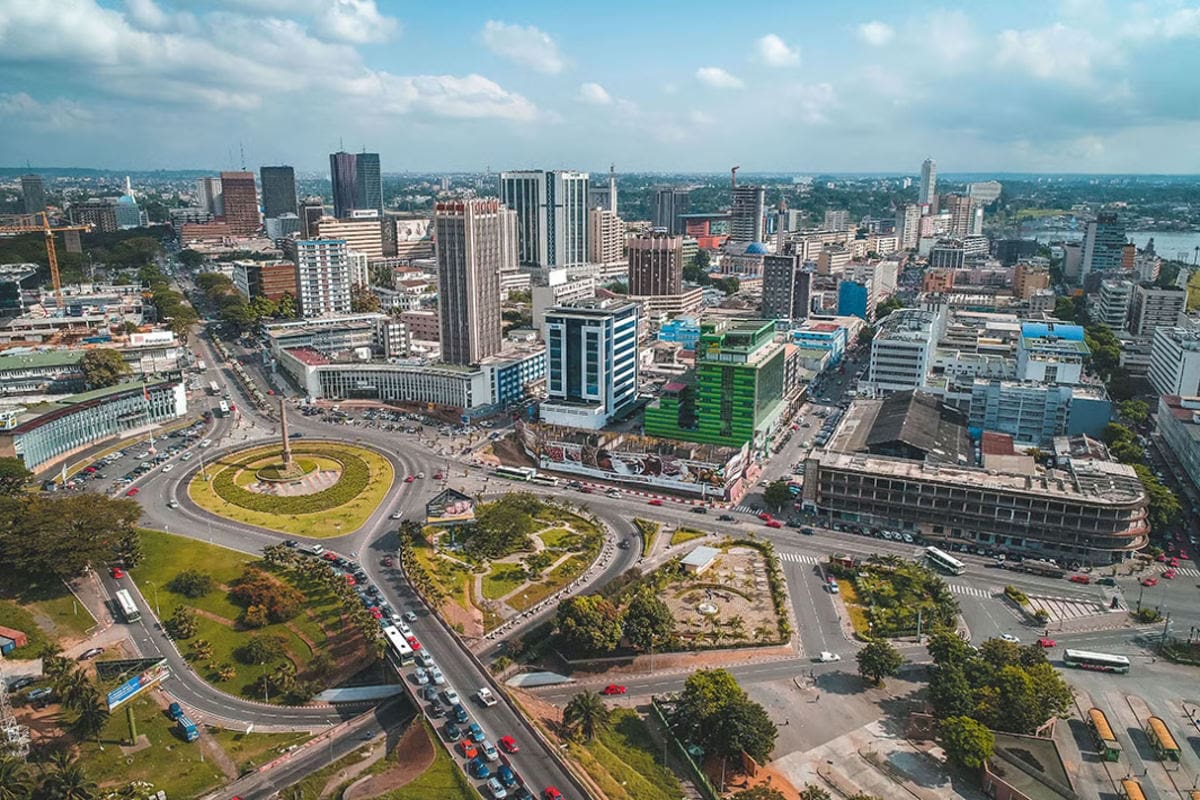
Responding to rapid population expansion, Greater Abidjan is undergoing a significant structural overhaul. Through extensive infrastructure projects and housing initiatives, Ivorian authorities are implementing a comprehensive sectoral strategy aimed at establishing more modern, organized, and secure urban planning by 2030.
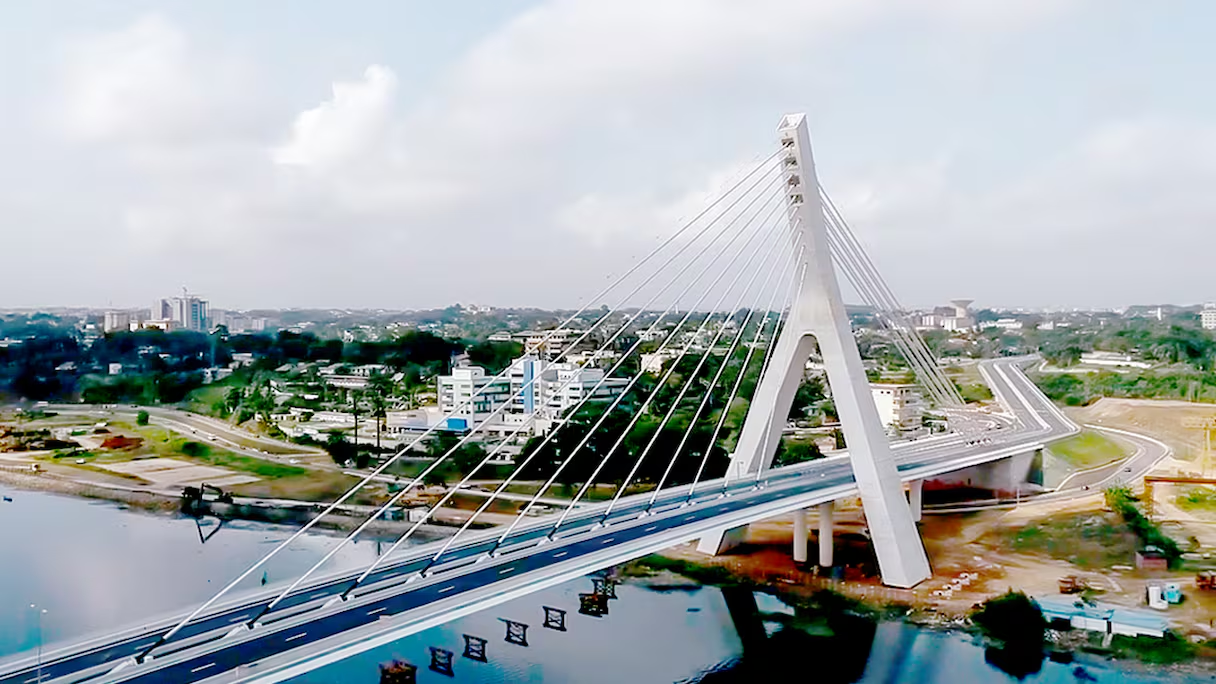
Côte d’Ivoire’s demographic momentum is positioning the nation at the forefront of West Africa’s urban transition. Forecasts from the West African Economic and Monetary Union (UEMOA) suggest the country will achieve the highest urbanization rate in the region by 2030, exceeding 58%. This swift growth is evident on the ground: a sectoral analysis by the engineering firm BEPCO, leveraging data from the Ministry of Construction, reveals an 18% year-on-year increase in the value of building permits issued across Greater Abidjan. To manage this expansion and mitigate the effects of urban congestion—a problem the government estimates costs up to 5% of national income—Parliament has sanctioned a 2026 budget of 123.2 billion FCFA for the Ministry of Construction. This funding is central to the National Development Plan (PND) 2026-2030, which aims to forge a modernized metropolis seamlessly connected to the wider national territory.
Abidjan’s upcoming metro system

Abidjan’s transformation is fueled by a powerful ambition: to transition from informal and polluting transport to eco-responsible mass transit systems, aligning with ecological transition imperatives. At the core of this transport decarbonization strategy, Line 1 of the Abidjan Metro achieved a pivotal milestone, entering its electrification phase in early 2026. This project, undertaken in partnership with Alstom, is designed to serve 500,000 daily passengers upon its commissioning in 2029, promising a substantial reduction in both traffic congestion and greenhouse gas emissions. To further enhance this climate-resilient network, the government is investing in sustainability with the deployment of a 100% electric Bus Rapid Transit (BRT) system in Abidjan, Côte d’Ivoire’s economic capital. This dedicated 20-kilometer corridor will connect Yopougon and Bingerville. Such clean transport solutions fully support the nation’s sustainable development objectives, balancing carbon neutrality with an improved quality of life for residents.
However, the government’s vision extends beyond the economic capital’s immediate vicinity. The aim is to seamlessly integrate Abidjan’s vibrancy with connectivity across the entire national territory. This broader objective underpins the proposed high-speed rail (TGV) line, designed to link Abidjan with Ferkessédougou. By bridging the vast North and South, this ambitious infrastructure project will establish Côte d’Ivoire as only the second African nation to boast a high-speed rail network.
Secure planning: fostering urban order, resilience, and housing access
To effectively support these extensive construction endeavors, the government is prioritizing a strategic reorganization of urban spaces. Authorities are now enforcing a firm policy to clear land essential for new infrastructure and to prevent unauthorized constructions in hazardous zones. This critical security initiative is integrated with the Urban Sanitation and Resilience Project (PARU). Primarily funded by the World Bank, PARU is advancing the construction of substantial drainage networks and the reprofiling of roadways, thereby safeguarding residential areas against the threat of flooding.
Alongside this strict land management, ensuring access to formal and secure housing forms the second cornerstone of the development policy. The State has formalized plans for the construction of 4,300 social and economic housing units. These prospective homes, designed to modern architectural standards, aim to integrate modest and intermediate-income households into the legitimate urban fabric. By combining spatial rationalization, major transport projects, and dedicated housing provisions, Côte d’Ivoire is strategically shaping the growth of its capital based on principles of safety and economic efficiency.