
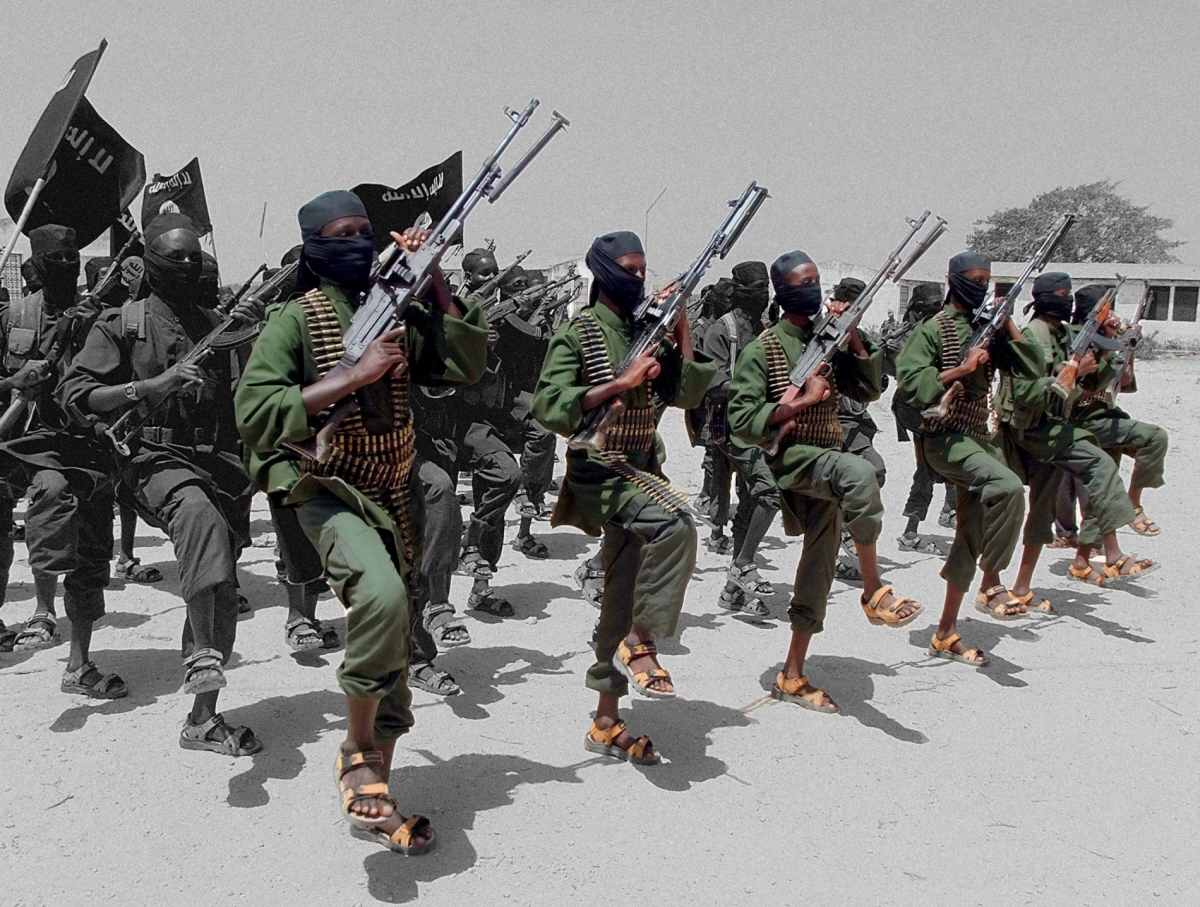
Mali and Niger have reignited longstanding claims that Algeria is fueling terrorism across the Sahel by providing safe havens and logistical backing to armed factions operating in the region. These fresh allegations emerged during a high-level security summit in Dakar, Senegal, where officials from both nations hinted at Algeria’s clandestine support for militant groups without directly naming the country.
Malian Foreign Minister Abdoulaye Diop issued a veiled warning, stating that certain neighboring states are harboring terrorist cells and facilitating hostile operations against regional stability. His remarks echoed months of official complaints from Bamako, which has accused Algiers of transforming itself into a breeding ground for extremist networks operating in northern Mali.
Security experts trace today’s Sahel insurgency back to Algeria’s tumultuous civil war in the 1990s. They argue that defeated militant factions regrouped south of the Sahara rather than vanishing, with groups like al-Qaeda in the Islamic Maghreb (AQIM) emerging from Algeria’s former Salafist Group for Preaching and Combat (GSPC)—itself a descendant of the Armed Islamic Group that waged war on Algiers during the “Dark Decade.” Many of these factions were led by Algerian commanders who relocated their operations to Mali and the broader Sahara under military pressure at home.
Rumors of covert collaboration between Algerian intelligence services and Sahel-based terrorist networks persist, with Mali going so far as to formally denounce Algeria’s alleged sponsorship of terrorism at the United Nations. Diplomatic relations between Bamako and Algiers have deteriorated sharply, particularly over northern Mali, where armed groups and Tuareg separatists have waged a decade-long insurgency against the Malian government.
Mali has accused Algeria of exploiting porous borders and adopting a permissive stance toward militants along its southern frontier. Last September, Prime Minister Abdoulaye Maïga told the United Nations General Assembly that Algeria had shifted from a counterterrorism ally to what he described as an “exporter of terrorism” into the Sahel.
The accusations escalated after Algerian forces intercepted a Malian military drone near the border in March, an incident Bamako labeled a deliberate attempt to shield terrorist leaders from Malian counteroffensives. In retaliation, Mali and its allies Niger and Burkina Faso withdrew their ambassadors from Algiers and issued a joint statement condemning Algeria’s alleged support for terrorism.
Niger has consistently aligned with Mali in its dispute with Algeria. Following the drone incident, Niamey joined Bamako in condemning Algerian-backed terrorism and supported Mali’s diplomatic measures. Niger’s military leader, General Abdourahamane Tiani, has previously accused foreign governments of sponsoring attacks against Niger, reinforcing Niamey’s solidarity with Mali against what it views as Algeria’s destabilizing influence in the Sahel.
The ongoing feud underscores a growing divide in West African security dynamics. Regional military leaders argue that terrorism cannot be eradicated while neighboring states continue to exhibit what they perceive as enabling or destabilizing behavior.