
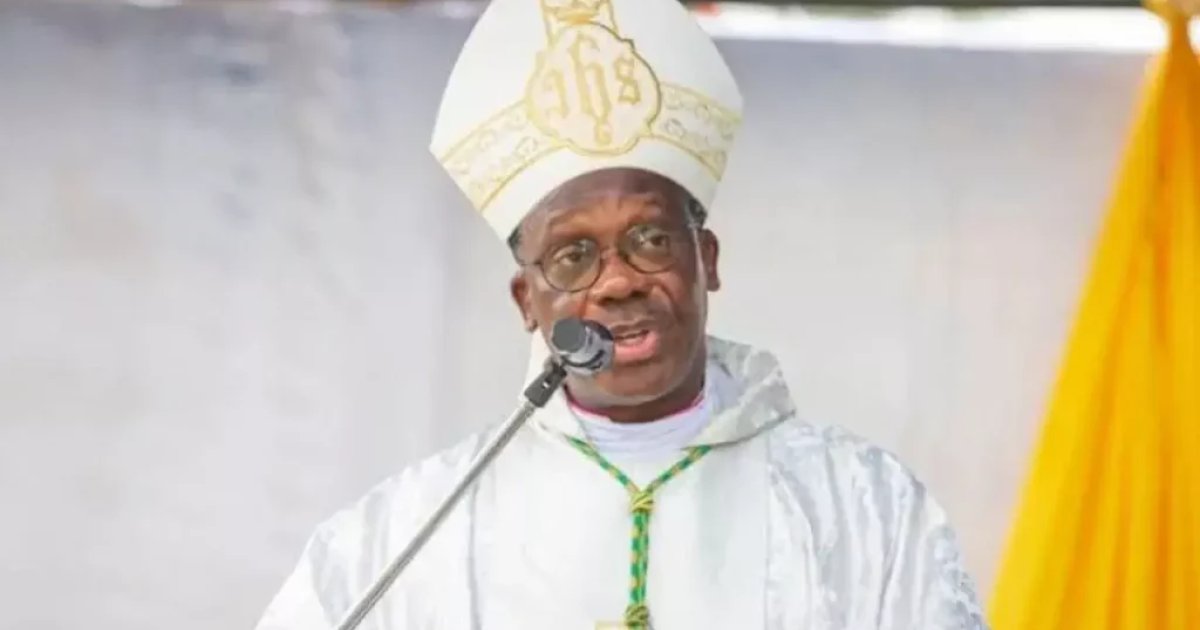
In a landmark gathering organized by the Institute of Artisans for Justice and Peace (IAJP), religious leaders, policymakers, and influential figures convened in Cotonou to address pressing social issues under the theme: “Rule of law and political alternation in Africa: a critical pillar for stability and growth.”
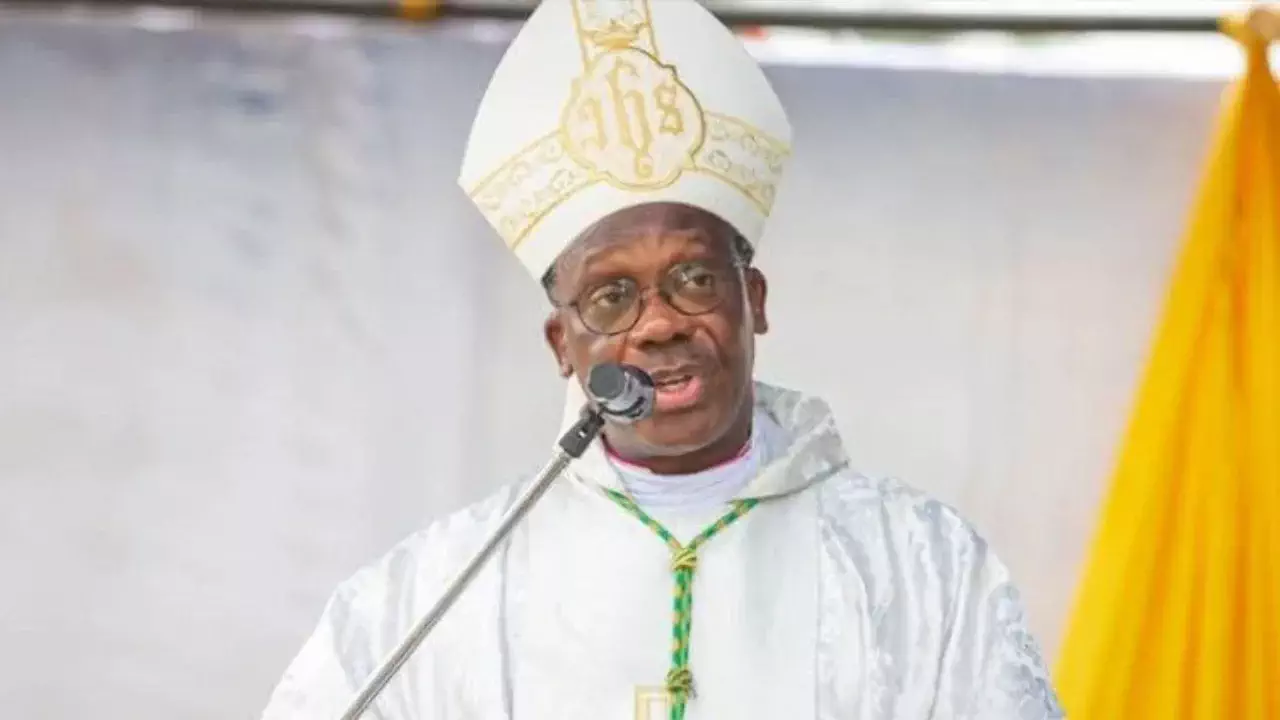
Leading the discourse was His Grace Roger Houngbédji, Archbishop of Cotonou and President of the Bénin Episcopal Conference, who delivered a keynote address evaluating recent reforms while advocating for a development model centered on human dignity.
Reforms in Bénin: tangible progress amid lingering freedom concerns
Archbishop Houngbédji opened his address by emphasizing that Africa’s long-term prosperity hinges not only on economic resources but on the strength of its institutions. He called for stronger rule of law, transparent governance, and an independent judiciary to sustain development.
Highlighting Bénin’s recent initiatives, he praised the establishment of the Commercial Court, modernization of business laws, and creation of the Court for Economic and Terrorism Offenses (Criet) as steps that have bolstered the country’s standing in global rankings. However, he cautioned that progress must extend beyond economic indicators.
« Economic growth cannot be an end in itself, » he stated. « True development requires respect for public freedoms, judicial independence, and democratic consolidation. These reforms must be accompanied by accountable leadership and citizen trust. »
Human development as the cornerstone of progress
Drawing from the Catholic Church’s Social Doctrine, the Archbishop underscored the principle of integral human development—a model that prioritizes people over profit, promotes social justice, and safeguards individual dignity.
« Governments must design policies that improve daily life, reduce inequality, and protect the vulnerable, » he asserted. « A nation’s wealth is measured not by GDP alone, but by the well-being of its people. »
He stressed that political and economic progress must align with social equity, ensuring that no citizen is left behind in the nation’s growth trajectory.
The Church’s enduring role in national cohesion
Reflecting on the Church’s historical role in Bénin, Archbishop Houngbédji recalled its mediation efforts during the 2019 post-election crisis and its ongoing calls for dialogue ahead of the 2026 general elections. While the Church does not seek political power, it remains committed to fostering national reconciliation and stability.
« Our mission is to build bridges, not walls, » he said. « We stand ready to support dialogue, heal divisions, and promote peace, while respecting the constitutional mandate of elected leaders. »
In closing, he urged African leaders to harmonize economic efficiency with justice, pluralism, and fundamental rights, warning that development devoid of ethical foundations risks instability and social unrest.