
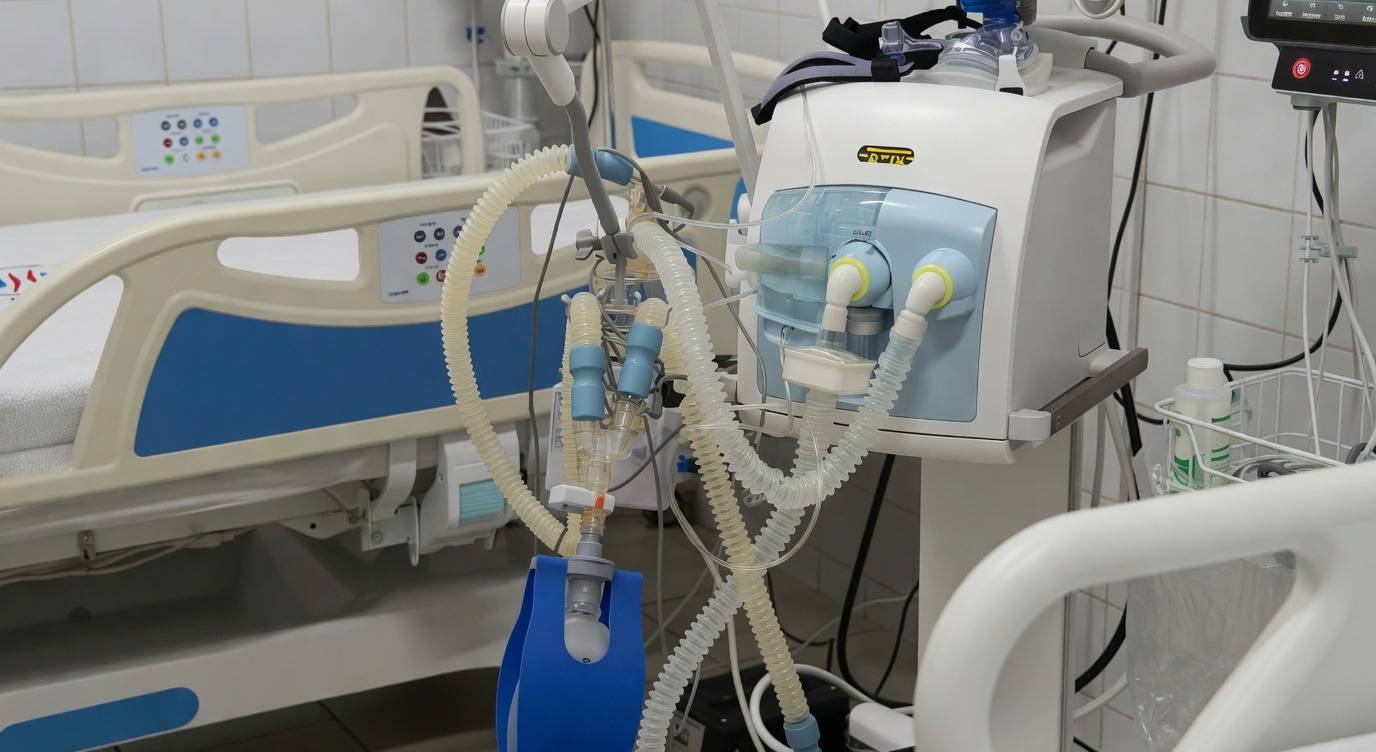
The Beninese healthcare system has entered a new era. In critical medical situations, financial barriers are now secondary to the imperative of saving lives. Health authorities have implemented an immediate coverage policy for vital emergencies, with a clear directive: ‘Treat first, pay later.’ This initiative centers on two major hospital complexes in Cotonou: the Centre National Hospitalier Universitaire Hubert Koutoukou Maga (CNHU-HKM) and the Hôpital de la Mère et de l’Enfant Lagune (HOMEL).
comprehensive mobilization for emergency care
Previously, access to emergency treatment often hinged on upfront payments or the purchase of medical kits by distressed relatives. That era has come to an end.
The transformation on the ground is striking:
- Uninterrupted supply of essentials: Emergency pharmacies at both hospitals now stock vital medications, consumables, and resuscitation kits. Medical staff can access these supplies instantly without financial clearance.
- Round-the-clock deployment: Medical and paramedical teams are stationed continuously to ensure rapid triage and immediate treatment upon patient arrival.
A senior emergency physician at CNHU-HKM explains the shift: ‘Our top priority is stabilizing the patient within minutes of admission. Administrative and financial concerns come only after the immediate threat to life has been neutralized.’
a streamlined, time-sensitive care pathway
To ensure this policy works seamlessly, a structured and efficient protocol has been established to eliminate delays.
The process unfolds in three stages:
- Immediate triage: Upon arrival, qualified personnel assess the patient’s condition to determine if it constitutes an absolute medical emergency.
- Prompt treatment: Once a critical condition is confirmed, medical intervention and medications are administered without any advance payment, with the sole focus on stabilizing vital functions.
- Post-emergency resolution: After the immediate danger has passed, the patient is billed. For those in need, social services provide tailored financial support to address payment obligations.
sustaining the initiative’s future
While the policy is widely celebrated as a landmark humanitarian advancement, it presents a significant challenge: managing stock levels and recovering costs after the fact. The government is banking on public responsibility and subsidy mechanisms to ensure the long-term viability of this upfront gratuity model.
By removing the ‘pay-at-the-counter’ requirement in life-threatening emergencies, Benin has taken a decisive step toward universal health coverage, placing human dignity and the right to life at the forefront of its health policy.