

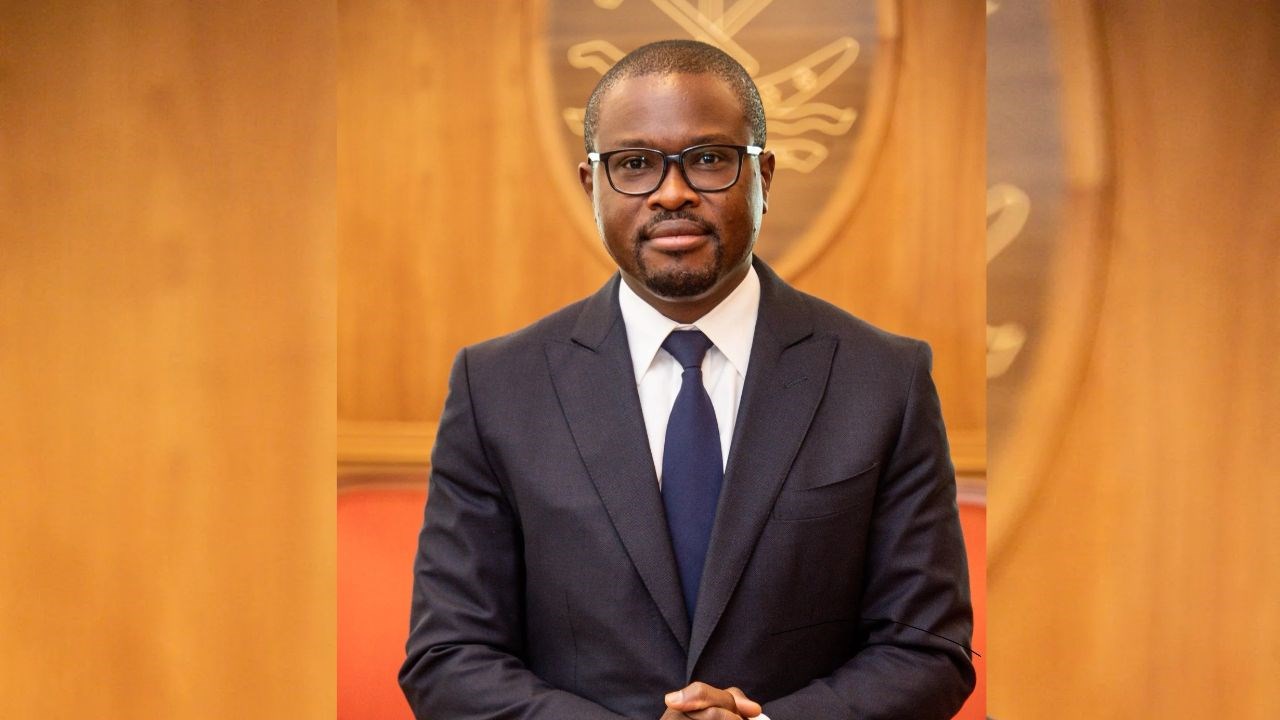
Just days after taking office, Benin’s newly elected President Romuald Wadagni, who succeeds Patrice Talon, convened his first-ever Council of Ministers on May 28, 2026, officially launching his seven-year term. The inaugural session carried deep symbolic weight, as the Head of State used the opportunity to establish the guiding principles, values, and ambitions that will shape his administration from day one.
Two overriding priorities emerged from the meeting. The first—and arguably most transformative—is the eradication of extreme poverty and the reduction of stark development disparities across municipalities. Wadagni emphasized a bold push for regionalized economic growth, aiming to close the gap between urban centers and remote areas. The second pillar is national security, a pressing concern in a volatile regional landscape, prompting the President to direct his cabinet to prioritize territorial defense and citizen protection.
Streamlined governance for faster results
The administration is rolling out a tighter organizational structure to drive efficiency. Monthly Council of Ministers meetings will now take place on the first Wednesday of each month, supported by twice-monthly interministerial committee sessions on the first and third Mondays. Between these gatherings, thematic cabinet councils will monitor sector-specific policies, ensuring continuous oversight and accountability. This structured approach reflects a commitment to disciplined, results-driven governance.
Call to action: ‘Move forward with resolve’
Closing the historic first session, Wadagni urged his team to ‘commit fully to the task ahead,’ stressing that the quality of their work will directly determine the improvement of living conditions for all Beninese citizens. A concise yet substantive meeting set the tone for a presidency focused on tangible outcomes, equitable development, and national unity—three formidable challenges that lie ahead as the country embarks on this new chapter.