
Legislative milestone for religious legislation
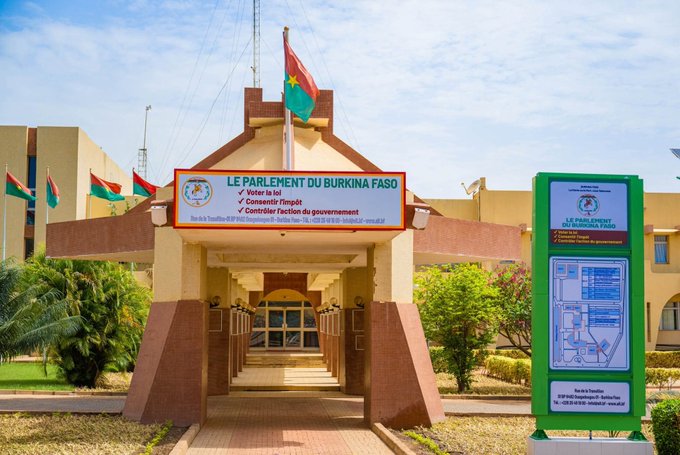
The National People’s Assembly (ALP) is set to deliberate a pivotal bill this Saturday, June 20, 2026, following its adoption by the Council of Ministers on March 19. The proposed law on religious freedom marks a significant juncture for Burkina Faso, a nation historically celebrated for its religious tolerance and harmonious coexistence.
Key provisions and government rationale
The draft legislation aims to address pressing concerns amid escalating security challenges. Proponents, including the transitional government, argue that the updated law serves three critical purposes:
- Countering extremism: By establishing clear legal frameworks, the state seeks to curb hate speech, radical recruitment, and the weaponization of religion to destabilize public order.
- Transparency in religious financing: The bill mandates stricter oversight of funding sources for religious associations and standardizes procedures for establishing places of worship, preventing financial opacity and potential misuse.
- Upholding state neutrality: It reaffirms the principle of equal treatment for all religious communities, ensuring no group—whether majority or minority—faces discrimination or preferential treatment in public institutions.
Societal concerns and safeguarding civil liberties
Critics, particularly civil society organizations and religious leaders, warn that the bill’s implementation could inadvertently undermine fundamental freedoms. Key apprehensions include:
- State overreach: Fears that stringent regulations may lead to excessive government control over religious expression and the autonomy of faith-based organizations.
- Social cohesion risks: Given the already fragile security climate, altering the religious framework demands careful consensus-building to avoid exacerbating national divisions.
As legislators convene for Saturday’s session, the outcome hinges on striking a delicate balance: empowering the state to safeguard against extremist threats while safeguarding the inalienable right to religious belief for every Burkinabè citizen. The public will closely monitor parliamentary debates, amendments, and voting patterns to gauge the bill’s potential impact on Burkina Faso’s democratic and social fabric.