
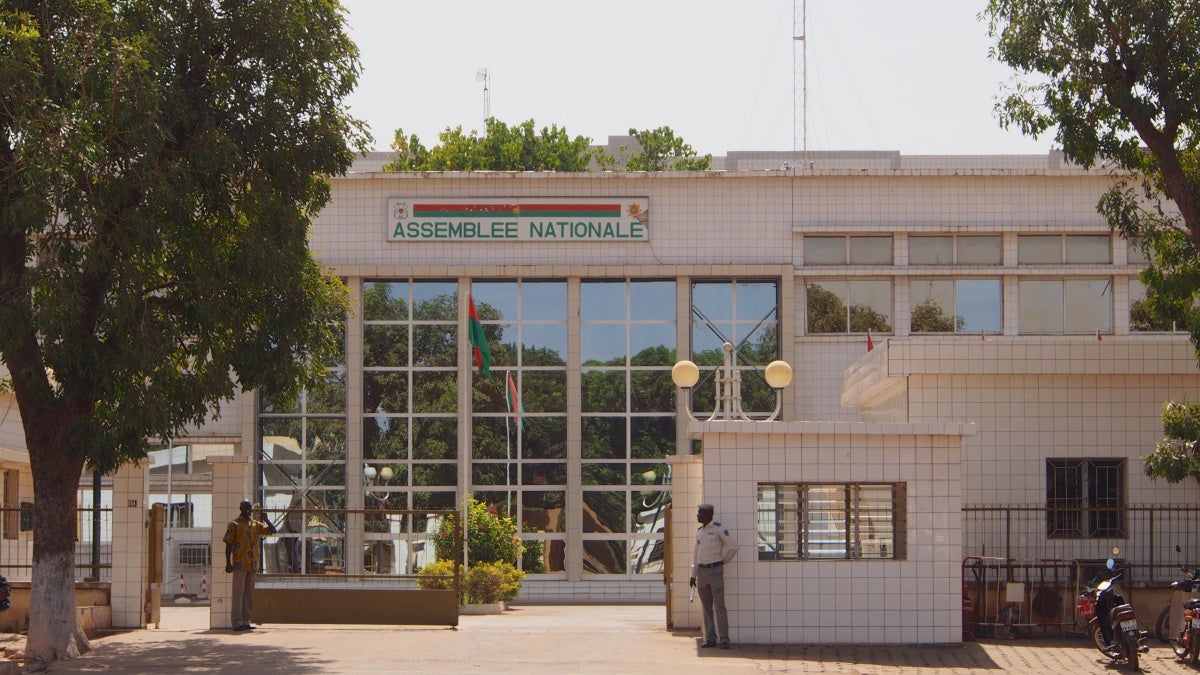
On September 1, the Transitional Legislative Assembly of Burkina Faso approved a measure that classifies consensual same-sex relations as a criminal offense. This decision represents a significant decline in the protection of rights for lesbian, gay, bisexual, and transgender (LGBT) individuals. Under this new legal framework, those found guilty of engaging in homosexual acts could face up to five years in prison along with various fines.
This legislative change threatens the fundamental rights of LGBT people to privacy and freedom from discrimination. The vote occurred amidst a tightening of political and civic liberties, as the military junta continues its crackdown on peaceful protesters, independent media, and political opposition groups.
Historically, Burkina Faso did not have laws that criminalized private, consensual same-sex conduct. Unlike several other nations on the continent, it did not inherit a colonial-era penal code that explicitly prohibited acts labeled as sodomy.
Unanimous approval of the new penal measures
The criminalization clause was passed as part of a broader update to the Persons and Family Code. All 71 members of the Assembly voted in favor of the provision, which seeks to penalize any actions deemed to encourage or promote homosexual practices and related behaviors through incarceration and financial penalties.
Edasso Rodrigue Bayala, the Minister of Justice and Human Rights, defended the law by stating it fulfills the deep-seated expectations of Burkinabè society and upholds traditional cultural values.
International and regional human rights concerns
The military junta’s move to penalize consensual relationships between adults of the same sex appears to conflict with the country’s commitments under the African Charter on Human and Peoples’ Rights and the International Covenant on Civil and Political Rights.
Recent judicial rulings in other African countries, including Mauritius, Botswana, and Namibia, have established that laws criminalizing same-sex behavior are unconstitutional and violate rights to non-discrimination and personal privacy. Furthermore, such legal shifts often lead to increased harassment and violence against LGBT communities. In 2014, the African Commission on Human and Peoples’ Rights (ACHPR) called on all African Union member states to actively prevent abuses based on gender identity or sexual orientation.
Advocates are calling on the President of the junta, Ibrahim Traoré, to refrain from signing the Persons and Family Code into law. Instead, he is encouraged to return the document to the Assembly for revisions that would safeguard the privacy and equality of all citizens in Burkina Faso, regardless of their orientation or identity.