
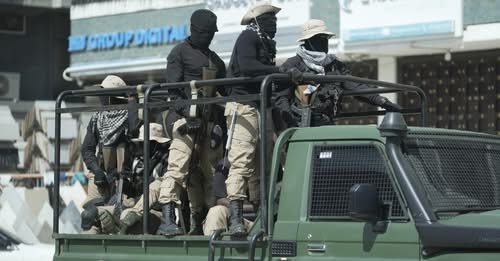
Half a year after the presidential vote held on October 29, 2025, a government-appointed inquiry commission broke its silence this Thursday, April 23, in Dar es Salaam. By announcing a death toll of 518 victims, authorities are attempting to turn the page on the period of unrest, though they face immediate backlash from opposition groups and NGOs who dismiss the findings as a “discounted” account of the tragedy.
The verdict of a disputed commission
In a heavy atmosphere, the executive-appointed commission delivered its final conclusions regarding the lethal events that gripped Tanzania at the end of last year. According to the document, the fatalities—totaling 518—resulted from clashes between security forces and protesters, as well as outbreaks of intercommunal violence.
While the government is acknowledging the scale of the disaster for the first time, it maintains that the bulk of these deaths were the result of “uncontrolled overflows” during unsanctioned demonstrations. Furthermore, the report assigns blame to specific community leaders for their role in escalating the national tension.
A deep divide over the numbers
The figure of 518 deaths, though significant, has failed to reach a consensus. Following the publication of the report, dissenting voices immediately emerged to decry what they describe as data manipulation.
- The opposition perspective: Major rival political parties argue the reality is far grimmer. They continue to estimate the death toll in the thousands and highlight a pattern of forced disappearances that the official report fails to address.
- Human rights observers: Several international NGOs, utilizing satellite imagery and on-the-ground testimonies, argue that the crackdown was “systematic and planned,” contradicting the government’s narrative of isolated incidents and accidental escalations.
A search for diplomatic rehabilitation?
The debate over whether the repression is being minimized has moved to the center of the national conversation. By presenting a toll significantly lower than independent estimates, the government appears to be seeking a delicate balance: admitting enough responsibility to satisfy the international community while avoiding potential prosecution for crimes against humanity in international courts.
“This report is not a pursuit of truth; it is a tool for the diplomatic rehabilitation of the administration,” remarked a representative from a local civil society organization who requested anonymity.
The uncertain path to reconciliation
It remains unclear whether this report marks the beginning of a healing process or the start of a fresh political crisis. Within Tanzania, the call for an independent international investigation is growing louder.
For many political analysts, the shadow of the 2025 violence will continue to loom over the country as long as questions remain regarding the true number of victims and the identity of those who gave the orders. Tanzania currently faces a fractured reality, with opposing sides refusing to accept each other’s version of history.