
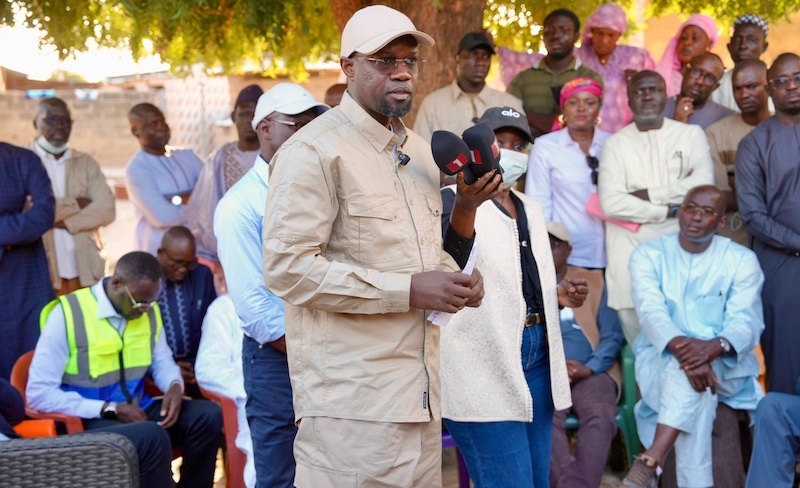
Prime Minister Ousmane Sonko convened a cabinet meeting to lay the groundwork for the 2026-2027 rainy season agricultural campaign. While acknowledging progress made by national agencies like the Institut de l’Environnement et de Recherches Agricoles (INERA) and Industries Chimiques du Burkina (ICB) in supplying fertilizers and certified seeds, Sonko presented a candid assessment of sectoral challenges. Structural weaknesses persist, hindering the government’s food sovereignty goals.
Seed autonomy, credit access and storage infrastructure take center stage
The Prime Minister highlighted critical gaps affecting agricultural productivity, including:
- Recurrent deficits in domestic seed production
- Inconsistent quality standards observed in the previous farming cycle
- Flaws in producer targeting mechanisms
- Limited access to agricultural credit
- Outdated farming equipment maintenance
- Severe nationwide shortages in storage infrastructure
To address input distribution inequalities and curb diversion of agricultural supplies, Sonko mandated the acceleration of digital systems across the agricultural supply chain. Leveraging success in pilot zones such as Tivaouane and Nioro, the government will implement real-time tracking and accountability measures. In the interim, state agencies must enforce strict cost transparency and ensure timely distribution of inputs nationwide.