
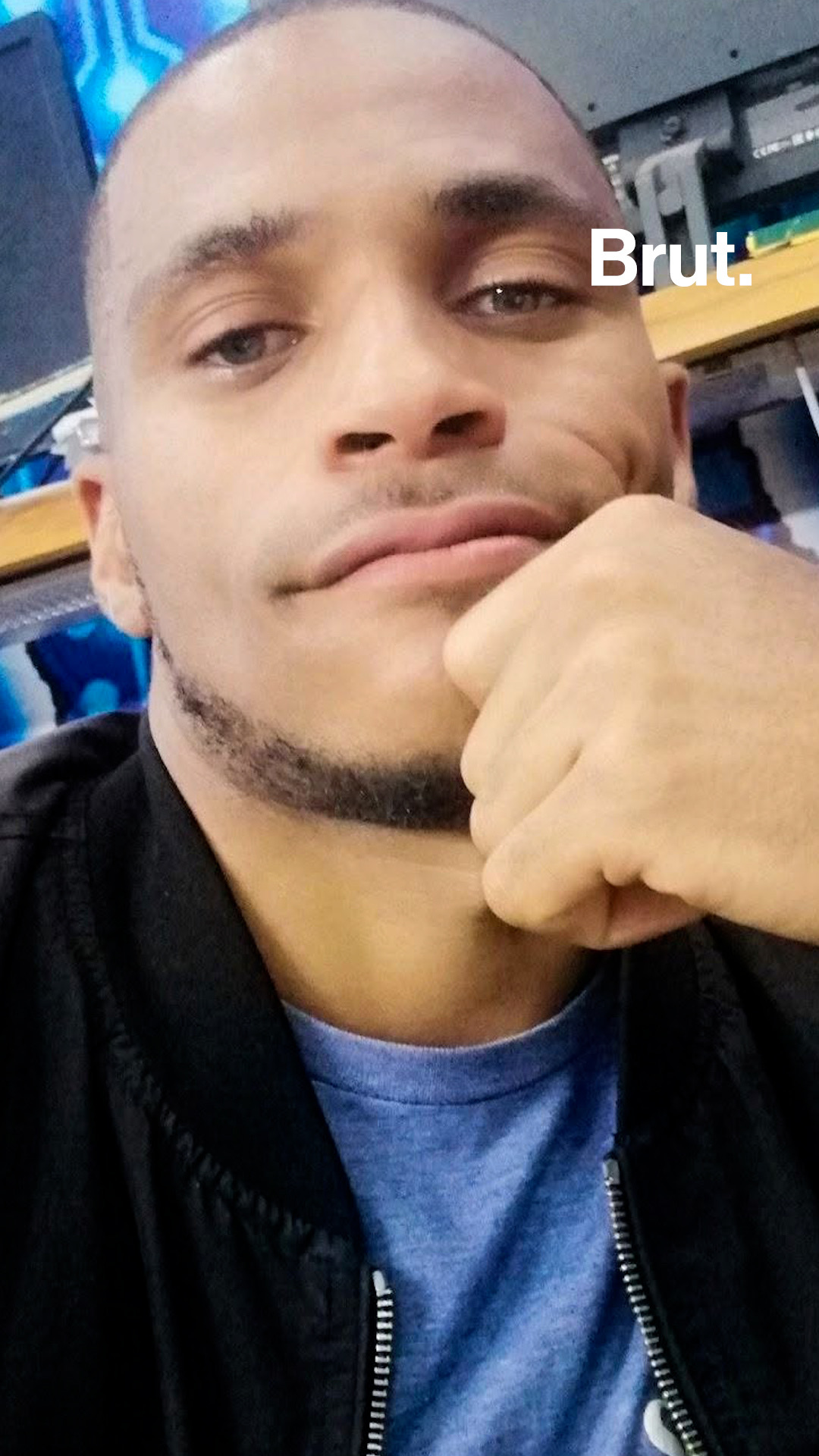
A Cameroon court has handed down a six-month prison sentence to a local man for allegedly insulting President Paul Biya in a Facebook post. The case has sparked debate about freedom of expression and the limits of online speech in the Central African nation.
Patrick Mengue, the defendant in the case, was found guilty of contempt of office after authorities deemed a prayer he shared on social media as an offense against the head of state. The post, which circulated widely before being flagged, reportedly included language that officials considered defamatory toward the president.
Legal proceedings and public reaction
The trial, held in a military tribunal, drew attention not only for its verdict but also for the broader implications of prosecuting online criticism in Cameroon. Legal experts have noted that such cases are becoming more frequent as social media platforms expand across the country.
While supporters of the ruling argue that the sentence upholds respect for state institutions, critics warn that it sets a dangerous precedent for suppressing dissent. The case has reignited discussions about whether Cameroon’s laws adequately balance national security with individual freedoms.
Broader context of online speech in Cameroon
Cameroon has seen a rise in prosecutions related to social media activity in recent years. Authorities have increasingly cited laws against defamation, false information, and insulting public officials to curb online expression. Human rights groups have expressed concerns that these measures disproportionately target critics of the government.
The case of Patrick Mengue is the latest in a series of legal actions against individuals for posts deemed offensive to state figures. Observers note that the frequency of such cases reflects a tightening regulatory environment for digital communication in the country.
What happens next?
With the six-month sentence now in place, legal analysts are closely watching whether this ruling will encourage further prosecutions or prompt calls for reform. The debate over free speech versus state authority continues to intensify as Cameroon navigates its digital future.