
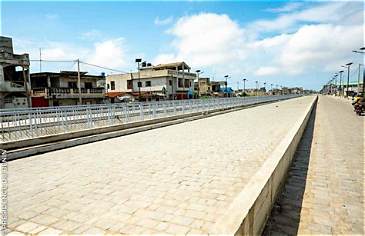
Cotonou’s historic leap in Africa’s cleanliness rankings
In 2025, Cotonou, Benin’s bustling economic capital, achieved an unprecedented milestone by securing the top spot in West Africa and ranking third across the entire continent in urban cleanliness. This distinction, based on a comprehensive assessment of public health and environmental standards, underscores the city’s transformative journey in waste management, sanitation, and public space maintenance.
What drives this remarkable urban transformation?
The leap from sixth to third place in just one year reflects deliberate policy shifts and large-scale infrastructure upgrades. Key initiatives include the expansion of household waste collection services, which now process over 14,000 tons of waste monthly, alongside intensive public space sanitation campaigns covering millions of square meters of streets and communal areas.
A data-driven approach to urban cleanliness
The rankings, compiled from responses by 7,877 permanent residents, highlight a growing public satisfaction with living conditions. While the numerical score of 7.6 out of 10 signifies progress, the deeper significance lies in the perception of safety, hygiene, and civic pride among residents a testament to the city’s holistic urban renewal strategy.
The pillars behind Cotonou’s cleanliness success
The city’s ascent was not accidental but the result of systemic improvements across multiple fronts:
Waste management efficiency: A revamped collection system with increased frequency and capacity, reducing illegal dumping by 40% in high-density areas.
Public infrastructure investment: Upgrades to drainage systems, roadside sanitation, and communal facilities to prevent sanitation-related health risks.
Community engagement: Awareness campaigns and citizen monitoring programs that encourage collective responsibility for cleanliness standards.
The role of consistent public services
Unlike fleeting cleanliness drives, Cotonou’s success stems from sustainable service delivery. Regular street sweeping, waste-to-energy pilot programs, and transparent accountability measures have created a culture of accountability among sanitation workers and municipal authorities alike.
Challenges on the path to long-term cleanliness
Despite these achievements, challenges persist. Rapid urbanization strains waste management capacity, while informal settlements remain difficult to integrate into formal sanitation networks. Additionally, maintaining public enthusiasm for cleanliness demands continuous effort otherwise, hard-won gains risk erosion over time.
Lessons for other African cities
Cotonou’s model offers valuable insights for municipalities aiming to balance growth with sustainability. By prioritizing systemic solutions over temporary fixes, cities can achieve measurable improvements in public health and quality of life. The key lies in balancing investment with community participation a dual strategy that has already begun to redefine urban living in Benin’s economic heartland.
Looking ahead: Can Cotonou maintain its position?
The city now faces a strategic dilemma: whether to rest on its laurels or double down on innovation. Expanding recycling initiatives, integrating smart technology for waste tracking, and scaling up citizen-led cleanliness initiatives are among the next steps to ensure this ranking is not a fleeting achievement but a lasting legacy.
By Henri Nkeng — Journalist