
When transparency meets political survival: the explosive question behind Niger’s oil scandal
What happens when a routine financial audit uncovers 7 billion CFA francs in irregularities within just two files—and a hundred more await review? In Niger’s state-owned oil sector, the answer appears to be: the auditors are told to stop. This unfolding saga at SONIDEP forces us to ask: who benefits when investigations into multi-billion-franc oil deals are halted at the border of political influence?
The first billion: how 7 billion FCFA exposed deeper cracks in Niger’s oil governance
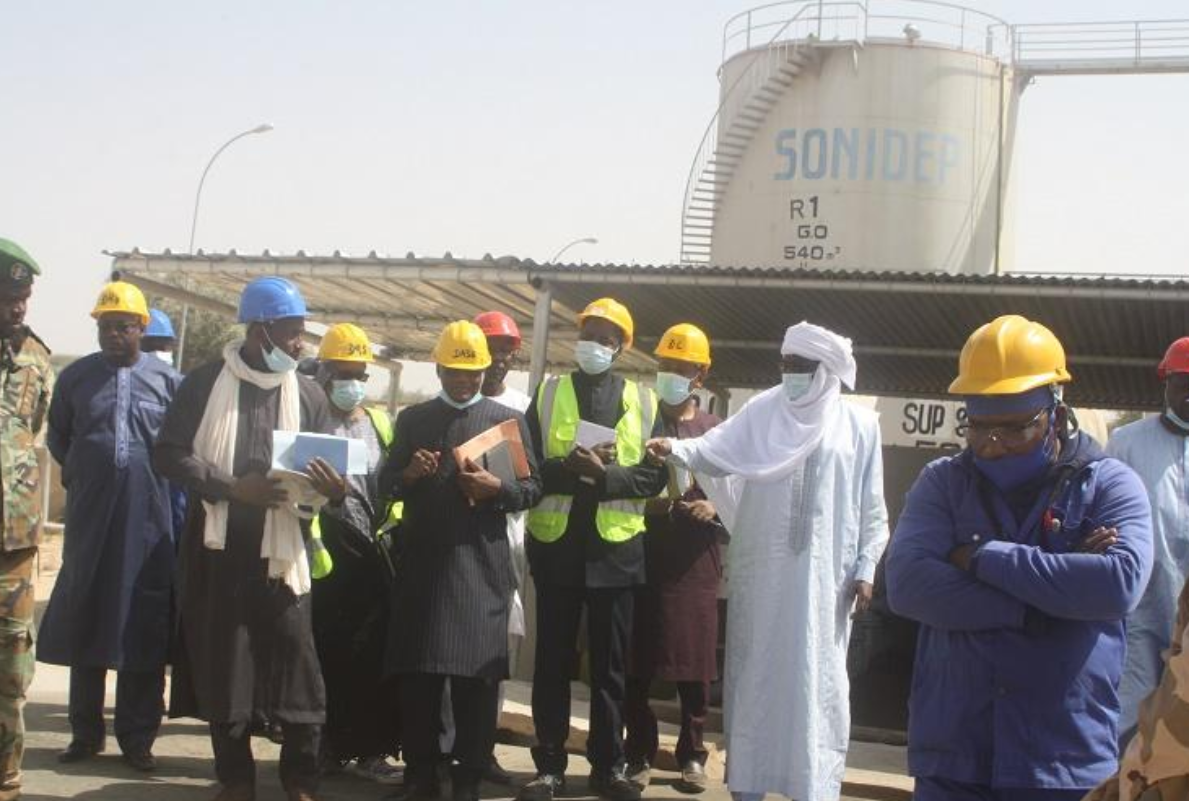
The Inspection Générale d’État (IGE) began an inspection of the Société Nigérienne des Produits Pétroliers (SONIDEP) under orders from General Salifou Mody to assess financial transparency. Within days, inspectors reviewing just two files uncovered financial anomalies totaling 7 billion CFA francs. With over a hundred more documents still under review, the true scale of mismanagement is likely far greater. Yet instead of accelerating the probe, authorities intervened.
The discovery of such a substantial sum in initial files raises a critical question: if the first two documents reveal billions in irregularities, what will the remaining audits uncover?
Power intervenes: when audits threaten the right circles
According to insiders, the IGE’s findings began to implicate influential figures tied to high-level officials. As the investigation edged closer to sensitive networks, political interference escalated. Reports indicate that General Abdourahamane Tiani ordered the suspension of the IGE’s mission at SONIDEP, purportedly to protect allies caught in the financial crosshairs of the audit.
This abrupt halt—despite the scale of the irregularities—highlights a troubling contradiction: why would a transparency initiative be halted just as it uncovers evidence of massive financial misconduct?
From audit rooms to UN corridors: the curious case of Issaka Gado
Amid the turmoil, the nomination of Issaka Gado, brother of former Prime Minister Ali Mahamane Lamine Zeine and former board chairman of SORAZ, as Niger’s representative to the United Nations in Djibouti has raised eyebrows. His appointment comes at a pivotal moment—coinciding with renewed scrutiny of oil sector audits and lingering questions about past management practices at SORAZ and SONIDEP.
While no official link has been confirmed between his posting and ongoing investigations, the timing fuels speculation: was this appointment a strategic move to shield a key figure from domestic scrutiny?
SORAZ and SONIDEP: a history of audits that ended in detention
The tensions did not begin with the current IGE inspection. Under former Minister Barké, Issaka Gado—then head of SORAZ—ordered an independent audit into financial ties between SORAZ and SONIDEP. That initiative led to significant consequences: Barké spent nearly a year in detention, while Gado faced four months in custody. The episode underscores a recurring pattern: any attempt to audit oil sector finances risks severe retaliation.
Promises of independent oversight, lost in bureaucratic silence
In April 2026, the Minister of Petroleum, Tini, publicly committed to commissioning an independent audit by Mazars, a global accounting firm, to restore credibility to the sector. Yet, nearly eight months later, no progress has been made. Contracts remain unsigned, timelines unmet, and the minister himself has faced temporary removal from office. Why does a pledge for transparency remain stalled—and who is preventing its execution?
From oil tanks to UN backrooms: the hidden theater of influence
Recent remarks by former Minister Aliou Daouda hint at another layer of the crisis: the infiltration of international institutions by figures linked to previous regimes. In off-record comments, he warned of operatives embedded in UN corridors willing to manipulate narratives for political gain. Could diplomatic postings serve as safe havens for officials under scrutiny in oil-related investigations?
Beyond the 7 billion FCFA: what’s really at stake in Niger’s oil war
This is not merely a financial scandal. It is a crisis of governance. The billions in question reveal deeper fractures: a sector where audits begin but never finish, where inspectors are silenced, and where political connections override accountability. The Nigerien public deserves transparency. The SONIDEP and SORAZ files must be fully disclosed. Responsible parties must be held to account—regardless of rank or affiliation. Otherwise, the message is clear: the fight against corruption stops at the gates of power.
What comes next: will the truth emerge—or will the networks bury it?
The IGE’s interrupted investigation, the unexplained Mazars audit delay, and the timing of Issaka Gado’s diplomatic reassignment all point to a coordinated effort to control the narrative. Citizens, civil society, and international observers are watching closely. The question is no longer just about missing money—it’s about who controls the flow of information and who ensures justice is served—or silenced.
As the Nigerien oil sector continues to reveal its secrets, one thing is certain: this saga will not fade quietly.