
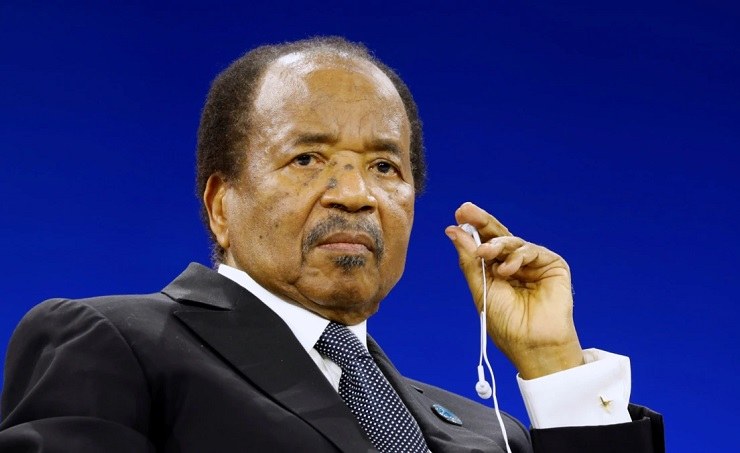
On August 2, 2026, René Emmanuel Sadi, Cameroon’s Minister of Communication and government spokesperson, announced the imminent return of President Paul Biya to the country, though without providing further details.
“The president is alive… There is no power vacuum!” declared the minister, directly addressing the opposition’s growing concerns. The head of state’s prolonged absence has generated significant controversy across Cameroon. Born on February 13, 1933, President Biya is 93 years old and has been out of the country for nearly two months, sparking numerous questions and intense public discussion.
Within the opposition, several prominent figures are demanding greater transparency regarding the president’s condition and the continued functioning of state institutions. Since July 21, 2026, opposition voices, including Jean-Michel Nintcheu and the Democratic Union of Cameroon (UDC), have amplified calls for clarity.
Nintcheu notably urged the Constitutional Council to acknowledge a power vacuum, asserting that the Republic’s stability cannot be predicated on silence or conjecture. Other opposition leaders have highlighted an “institutional void” and criticized what they perceive as governance from afar, despite assurances from the presidential camp that Paul Biya remains firmly in control.
From a legal standpoint, Article 6, paragraph 4, of the Cameroonian Constitution stipulates that in the event of a power vacancy due to death, resignation, or a definitive impediment confirmed by the Constitutional Council, a new presidential election must be organized within a period of no less than twenty (20) days and no more than one hundred and twenty (120) days following the declaration of the vacancy.
During this transitional period, the President of the Senate, currently 64-year-old Aboubakary Abdoulaye, automatically assumes interim powers. Should he be incapacitated, the next in the Senate’s order of precedence, First Vice-President Naomie Mikel Bégala épouse Akono, aged 63, would take over. The interim president is constitutionally restricted: they cannot amend the Constitution, alter the composition of the government, initiate a referendum, or stand as a candidate in the subsequent presidential election held to fill the vacancy.