
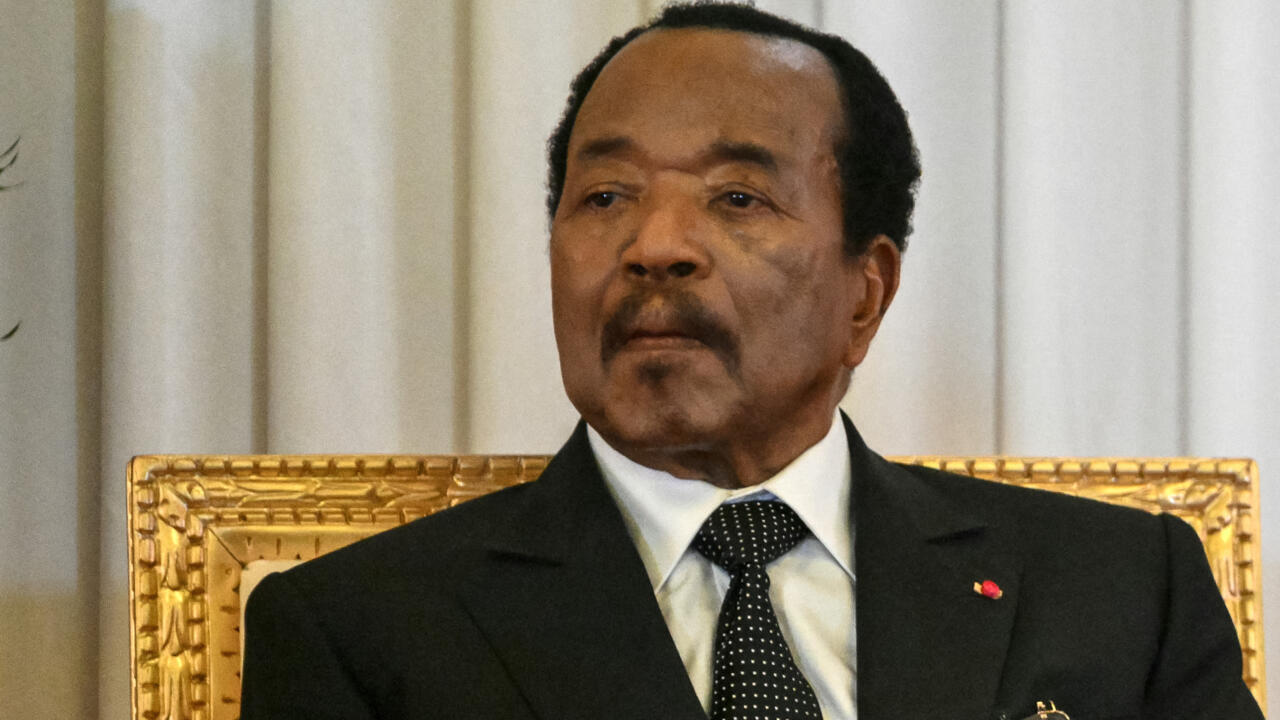
The nation of Cameroon is gripped by uncertainty as President Paul Biya’s prolonged absence stretches to an unprecedented 58 days, marking the longest period he has been out of the public eye during his extensive 44-year reign. The 93-year-old head of state departed on June 7 for what was officially termed a “short private stay in Europe,” yet he has not been seen publicly since. This remarkable disappearance has ignited widespread speculation and concern across the country regarding the stability of governance and, crucially, the question of presidential succession.
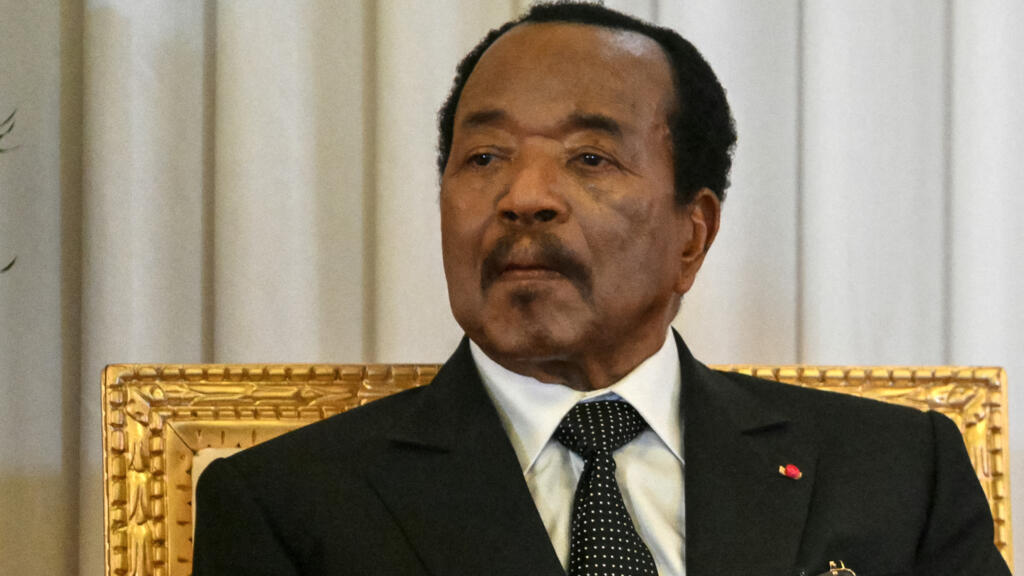
In an attempt to quell the growing unease, René Sadi, the Minister of Communication, broke the official silence. He affirmed that “the president is alive… There is no power vacuum” and assured the public of a return “very soon.” However, the minister provided no specific date for President Biya’s reappearance, leaving many questions unanswered. This situation inevitably brings the critical issue of presidential succession to the forefront of national discourse, prompting citizens and observers alike to ponder the future leadership of Cameroon.