

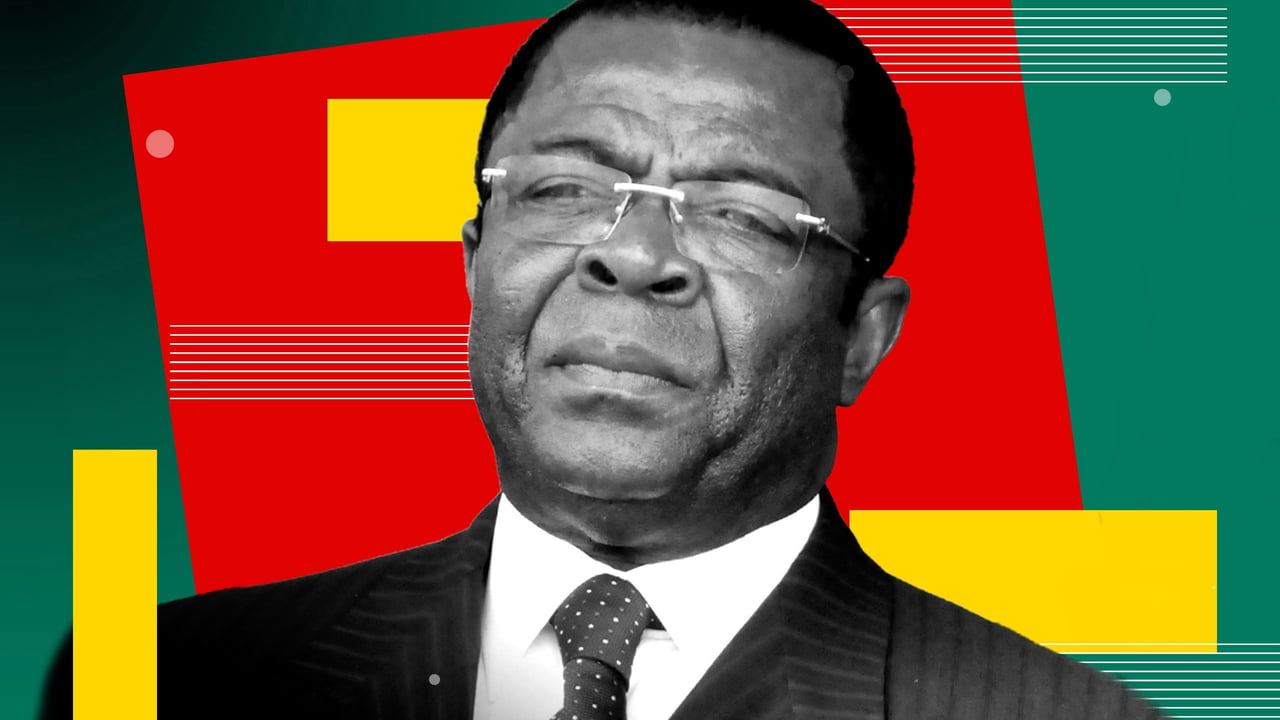
Cameroon’s disgraced security chief Edgar Alain Mebe Ngo’o
In Cameroon, the political landscape has long been shaped by the rise and fall of influential figures. Among them, Edgar Alain Mebe Ngo’o once stood as a prominent security architect, only to experience a dramatic downfall under President Paul Biya’s prolonged rule. His career trajectory reflects the harsh realities of power dynamics in Yaoundé, where loyalty and influence are fleeting commodities.
From trusted security advisor to political exile
Edgar Alain Mebe Ngo’o carved out his reputation as a hardline security official, earning trust within Cameroon’s corridors of power. Serving in key positions, he became synonymous with a firm-handed approach to governance, particularly in matters of national security. His unwavering commitment to the regime initially positioned him as a pillar of the establishment.
However, the tides of political favor proved unpredictable. Once hailed as a key player in Cameroon’s security apparatus, Mebe Ngo’o found himself on the wrong side of an ever-shifting power balance. His downfall underscores how quickly fortunes can reverse in a system where loyalty is measured by proximity to the presidency and willingness to execute its directives without question.
Power shifts and political reckoning
Cameroon’s political history since 1982 has been marked by calculated reshuffles and purges. President Paul Biya, one of Africa’s longest-serving leaders, has orchestrated the careers of many high-profile officials—only to discard them when they no longer serve a purpose or pose a perceived threat. This pattern of rise and fall has become a defining feature of Cameroon’s political culture.
Mebe Ngo’o’s story is not an isolated case. Others before him—once untouchable figures such as Titus Edzoa, Ephraïm Inoni, Jean-Marie Atangana Mebara, and Marafa Hamidou Yaya—have experienced similar trajectories. Their journeys from prominence to obscurity serve as cautionary tales about the ephemeral nature of political power in Cameroon.
The lasting impact of political disinheritance
The consequences of such political disinheritance extend beyond individual reputations. They ripple through institutions, leaving behind a legacy of caution among those who remain in the corridors of power. Fear of falling out of favor has led many officials to prioritize self-preservation over bold policy decisions or genuine reform.
For Cameroon’s political class, the lesson is clear: in a system where power is centralized and unpredictable, survival often depends on navigating shifting loyalties rather than challenging the status quo. Mebe Ngo’o’s fall serves as a stark reminder of how quickly influence can evaporate in the shadow of an entrenched presidency.