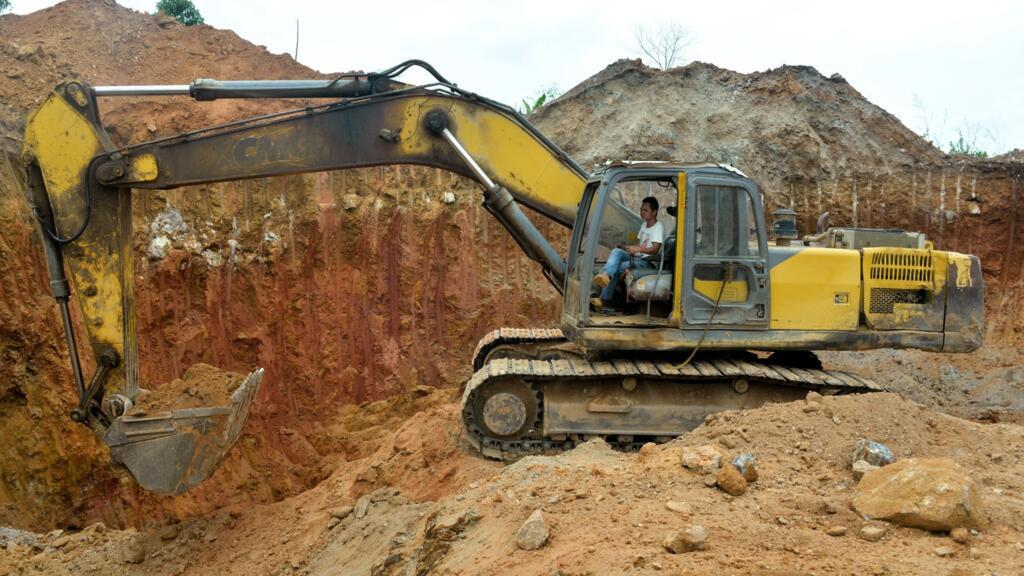
The gold mining sectors in Cameroon and the Democratic Republic of the Congo (DRC) continue to face significant transparency challenges, despite ongoing reforms aimed at improving governance. A recent study by the Institute for Security Studies (ISS) highlights persistent discrepancies between official export figures and actual production volumes, raising concerns about revenue management and accountability.
discrepancies in gold export figures fuel transparency concerns
According to the Extractive Industries Transparency Initiative (EITI), Cameroon reported exporting just 22 kilograms of gold in 2023. However, import records from international buyers indicate purchases totaling 15 metric tons. This stark contrast underscores the urgent need for stricter oversight and clearer reporting mechanisms within the gold supply chain.
The ISS study reveals that while both countries have implemented measures to formalize the sector, enforcement remains weak. Professor Aïcha Pemboura, a researcher at the ISS Central Africa Observatory on Organized Crime and Violence, emphasizes that both national and foreign operators must be held accountable for their role in these discrepancies.
call for stricter regulation and corporate accountability
Professor Pemboura points to several systemic issues contributing to the problem. Informal artisanal mining, often unregulated, accounts for a significant portion of gold production. This sector operates outside formal channels, making it difficult for governments to track production and ensure tax compliance. Additionally, weak enforcement of existing regulations allows some operators to bypass oversight entirely.
She highlights that transparency in licensing and revenue distribution remains inconsistent. Many mining contracts lack clear terms on profit-sharing and environmental safeguards, leaving communities vulnerable to exploitation and environmental degradation. Pemboura stresses that without robust regulatory frameworks and independent audits, the potential benefits of gold mining—such as job creation and economic growth—will continue to be undermined by corruption and mismanagement.
key challenges in Cameroon and the DRC
- Informal mining operations: Unlicensed and unregulated artisanal mining contributes heavily to gold production but avoids taxation and oversight.
- Weak regulatory enforcement: Existing laws are poorly implemented, allowing operators to sidestep compliance requirements.
- Revenue leakage: Discrepancies between reported exports and actual production suggest significant revenue is lost to illicit channels.
- Environmental and social costs: Unregulated mining often leads to environmental damage and social conflicts, disproportionately affecting local communities.
pathways to reform and accountability
To address these challenges, Pemboura advocates for a multi-faceted approach. Strengthening national monitoring systems and improving coordination between government agencies are critical first steps. She also calls for greater transparency in mining contracts, including public disclosure of terms and revenue flows.
International cooperation is equally vital. Pemboura notes that foreign mining companies operating in Cameroon and the DRC must adhere to global standards for ethical sourcing and revenue transparency. This includes third-party audits and regular reporting to ensure compliance with local and international regulations.
The study concludes that while reforms have been initiated, their impact remains limited without stronger enforcement and a commitment to accountability from all stakeholders. For gold mining to become a sustainable driver of economic development, transparency and good governance must take precedence over short-term profits.