

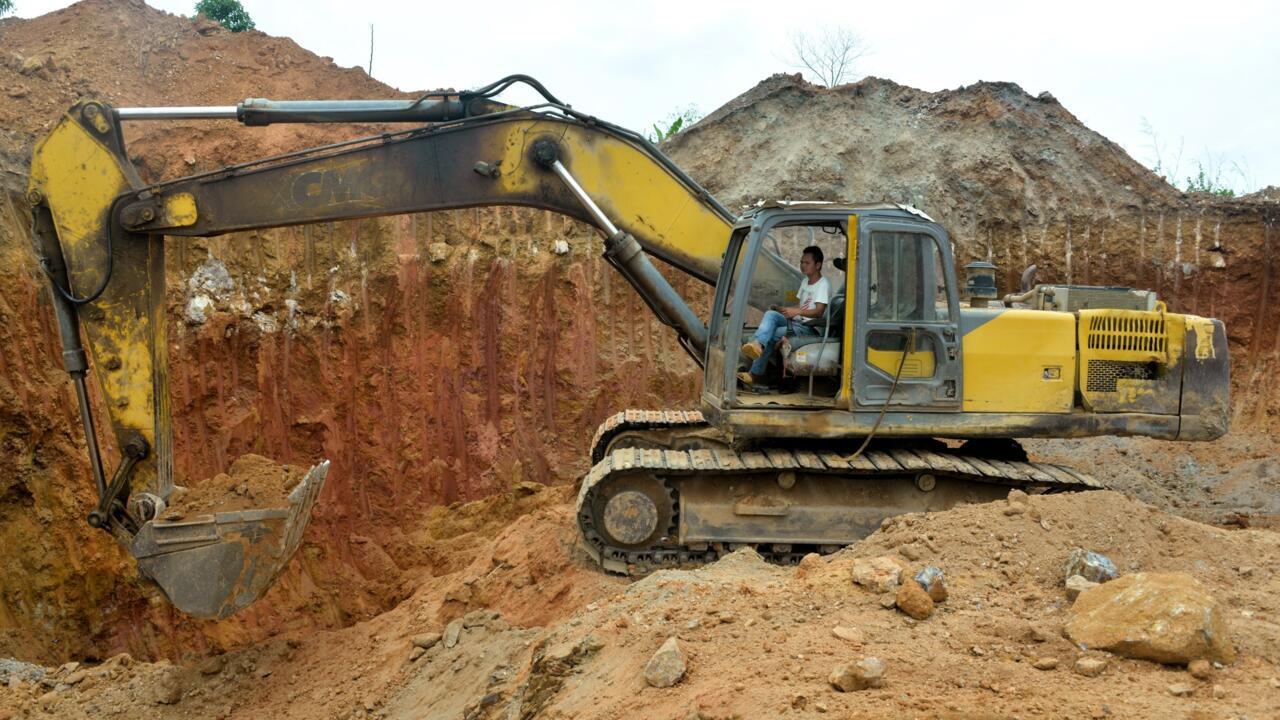
In both Cameroon and the Democratic Republic of Congo, efforts to regulate the gold mining sector have proven inadequate, with a growing discrepancy between declared exports and actual production figures. The latest Initiative for Transparency in Extractive Industries (ITIE) report highlights this alarming trend, revealing a stark contrast between official records and industry realities.
discrepancies in gold production data
According to ITIE, Cameroon officially reported exporting just 22 kilograms of gold in 2023. However, import records from trading partners indicate that 15 metric tons were purchased from the country. This glaring inconsistency raises serious questions about the transparency of the gold supply chain and the effectiveness of regulatory oversight.
urgent calls for accountability
Professor Aïcha Pemboura, a researcher at the Observatoire du crime organisé et de la violence en Afrique centrale (OCOVAC), emphasizes the need for both domestic and international operators to comply with transparency standards. «National and foreign gold mining entities must be held accountable for their financial contributions to state coffers,» she asserts. «Without rigorous oversight, the sector risks becoming a haven for illicit financial flows and environmental degradation.»
regional challenges in gold governance
The findings underscore broader systemic issues across Central Africa’s gold industry. Despite incremental reforms, weak enforcement mechanisms continue to undermine state revenue collection. The situation is further complicated by the involvement of multinational corporations and artisanal miners, whose operations often fall outside formal regulatory frameworks.
Professor Pemboura points to the need for a unified regional approach to gold sector governance. «Collaboration between governments, civil society, and industry stakeholders is essential to ensure that gold mining contributes meaningfully to economic development rather than perpetuating cycles of corruption and underdevelopment,» she states.
the human cost of unregulated mining
Beyond financial losses, unregulated gold mining has severe social and environmental consequences. In many mining communities, artisanal miners face hazardous working conditions, while local ecosystems suffer from toxic mercury use and deforestation. The absence of proper regulatory frameworks exacerbates these issues, leaving vulnerable populations without recourse.
key takeaways
- Transparency gaps: Official gold export figures in Cameroon are significantly lower than import records from trading partners.
- Regulatory failures: Weak enforcement mechanisms allow both local and foreign operators to bypass accountability.
- Social and environmental impact: Unregulated mining practices endanger miners and degrade ecosystems.
- Need for reform: Experts advocate for stricter oversight and regional cooperation to tackle systemic challenges.