
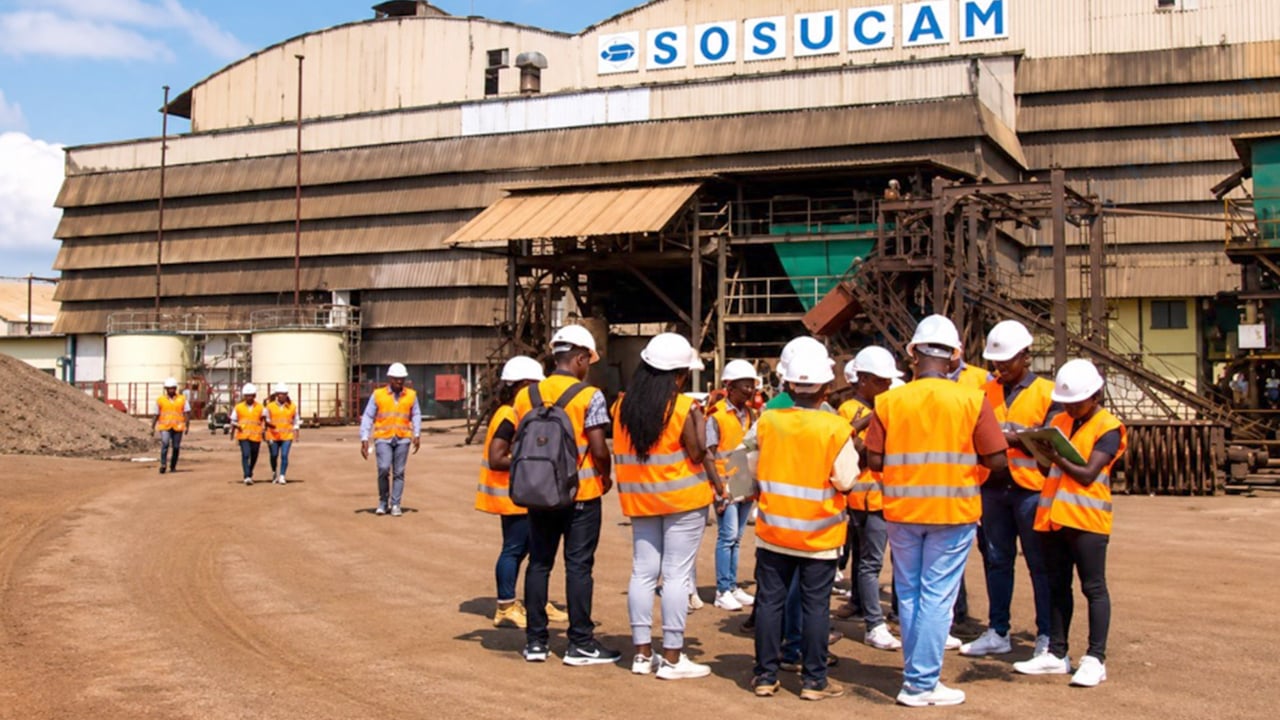

Ownership shake-up at Cameroon’s leading sugar producer
Cameroon’s Sosucam, the nation’s flagship sugar manufacturer, has entered a new chapter following a significant shift in its ownership structure. The changes, which took effect recently, mark a pivotal moment for the company’s future direction and operational strategies.
A consortium takes the helm
The transition follows the acquisition of controlling stakes by a trio of investors, reshaping the company’s leadership landscape. This consortium, composed of Jean-Claude Mimran, Castel, the Compagnie sucrière sénégalaise, and Somdia, brings together diverse expertise and resources.
Industry observers note that this alliance could introduce fresh perspectives to Sosucam’s operations, potentially enhancing productivity and market competitiveness. The investors’ combined experience in agribusiness and sugar production positions them to drive innovation within the sector.
Implications for Cameroon’s sugar industry
The leadership change arrives at a time when Cameroon’s sugar sector faces both challenges and opportunities. With rising global demand for sugar and increasing local consumption, Sosucam plays a crucial role in meeting these needs. The new ownership group is expected to leverage this momentum to strengthen the company’s market position.
Key stakeholders anticipate that the transition will lead to expanded production capacities, improved supply chain efficiencies, and greater investment in local communities. Sosucam’s operations extend beyond sugar refining, including agricultural initiatives that support thousands of smallholder farmers across Cameroon.
Looking ahead: what’s next for Sosucam?
As the new leadership team settles in, all eyes will be on Sosucam’s strategic priorities. Industry analysts speculate that the company may focus on modernizing its facilities, exploring export markets, and enhancing sustainability practices. These steps could solidify Sosucam’s role as a cornerstone of Cameroon’s industrial landscape.
The transition also underscores the growing influence of international investors in Central Africa’s agribusiness sector. For Sosucam, this could mean accelerated growth and a stronger footprint in both domestic and regional markets.