
Ebola and conflict compound suffering in eastern Democratic Republic of the Congo
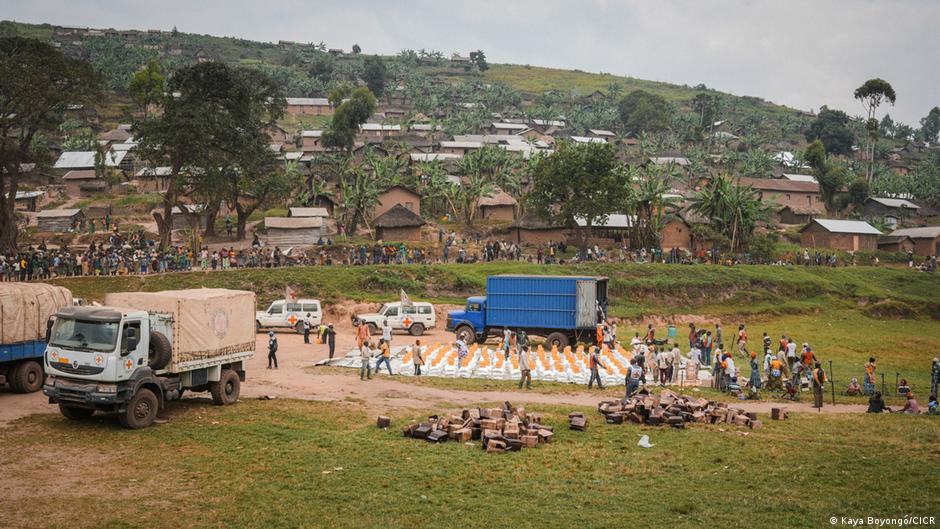
In the eastern Democratic Republic of the Congo (DRC), thousands of families face a dual crisis: the lingering threat of Ebola alongside persistent armed violence. Displacement, disrupted livelihoods, and shrinking access to farmland and markets have pushed millions to the brink of food insecurity. The International Committee of the Red Cross (ICRC) has resumed critical food and seed distributions, reaching over 80,000 people despite logistical challenges. But how can aid workers deliver help when communities are forced to weigh the risk of disease against the certainty of hunger? Insights from an interview with Abdoule-Karim Diomande, ICRC Programs Director in the DRC.
Ebola’s arrival worsens an already dire situation
Ebola did not strike a stable region. Eastern DRC has endured years of conflict, displacement, and economic strain, leaving households with fewer resources to cope. The outbreak compounds these hardships, further eroding people’s ability to adapt. Movement restrictions, market closures, and disrupted trade have weakened local economies, while fear of infection forces families to avoid essential activities. The most vulnerable bear the brunt—those already struggling with poverty, hunger, and limited access to healthcare.
Restricted access and agricultural decline
Security concerns force many families to abandon their farmland, concentrating agricultural efforts near safer villages. This overuse of limited arable land threatens long-term soil degradation and reduced yields. Extension services, which typically support farmers in improving productivity, are often unavailable due to conflict and restricted movement. Without guidance or resources, households struggle to sustain food production. Border closures and trade restrictions add another layer of difficulty, cutting off livelihoods that once relied on cross-border commerce.
Why the most vulnerable suffer the most
In conflict zones, the poorest households have the fewest safety nets. When Ebola forces quarantines or travel bans, daily wage laborers lose income, and small-scale farmers miss planting seasons. Markets shrink as traders avoid high-risk areas, leaving families with fewer options to buy food. The ICRC’s interventions—food aid, seeds, and livelihood support—provide temporary relief, but without lasting peace and stability, recovery remains precarious.