
The critical state of the Camerounian judiciary
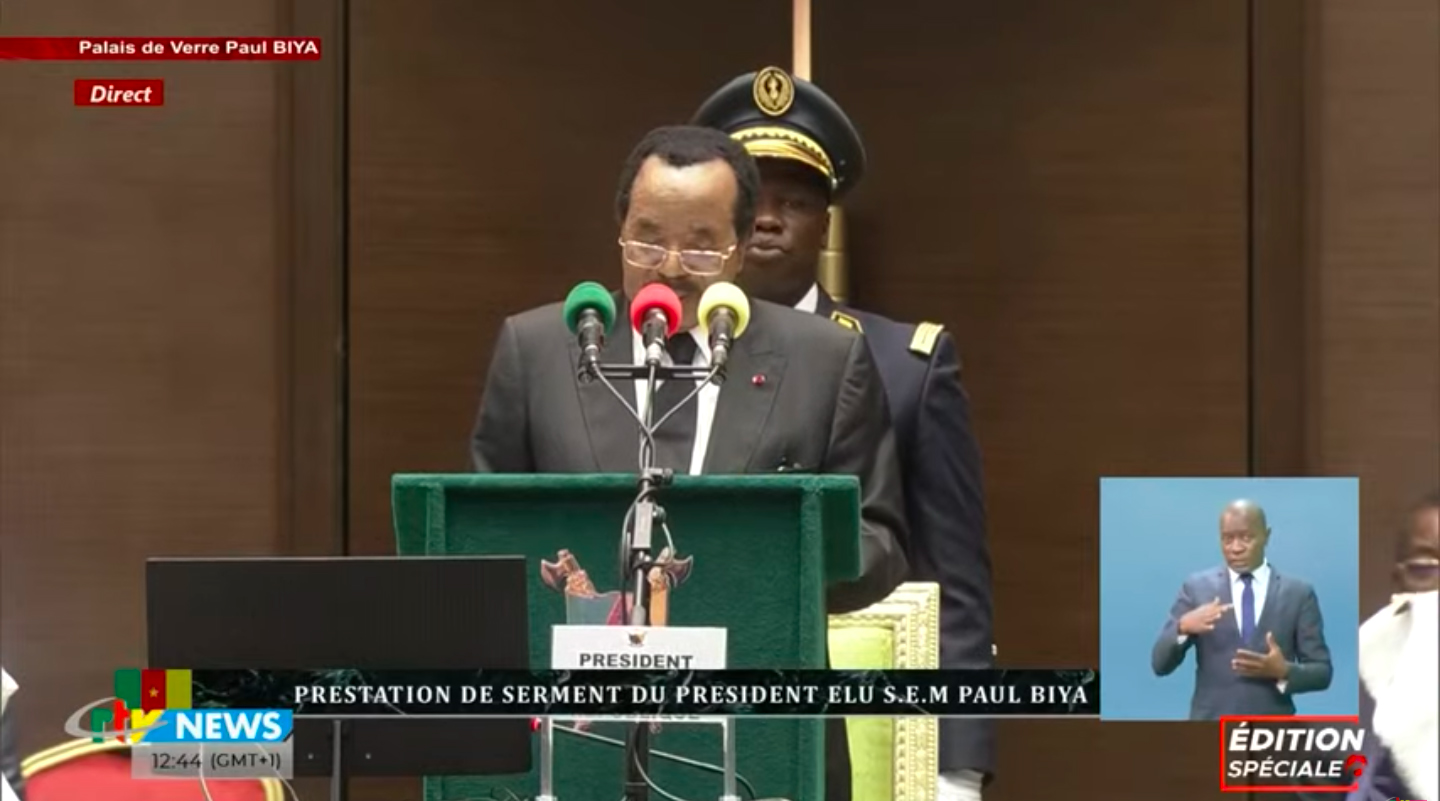
On June 2, 2026, President Paul Biya issued a decree to appoint the members of the Higher Judicial Council. This move saw ten of the fourteen members reinstated for a fresh five-year term, despite their previous mandates having lapsed over a year ago. However, the most pressing issue remains the fact that this vital body has not convened since August 2020, marking nearly six years of institutional silence.
A paralyzed legal system
The continued inactivity of the Higher Judicial Council represents a significant institutional breakdown. As the body responsible for overseeing the careers, discipline, and ethical standards of magistrates, its dormancy has severely undermined the rule of law and public trust in the justice system in Cameroun. Human rights defender Me Felix Nkongo Agbor Balla has highlighted that this paralysis directly threatens the independence of the judiciary.
One of the most alarming consequences is the status of young magistrates. Graduates from the National School of Administration and Magistracy (ENAM) over the past six years remain in professional limbo. Without a formal meeting of the Council, they cannot be officially integrated into the body of magistrates, meaning they are unable to take their oaths or perform their legal duties. This has created a massive void in courts across the nation.
Growing backlogs and ethical concerns
The lack of new appointments has led to a desperate shortage of personnel. Existing courts are overwhelmed, resulting in a mountain of unresolved cases and prolonged pretrial detentions. Furthermore, many positions remain empty following retirements or deaths, as the Council is the only entity legally empowered to fill these roles.
In the absence of regular sessions, some administrative court appointments have been made through legally questionable methods, bypassing the Council’s mandatory oversight. Beyond recruitment, the disciplinary machinery is at a standstill. Promotions are frozen, and professional misconduct goes unpunished, creating an environment where integrity is discouraged and corruption can take root.
Restoring the functionality of the Higher Judicial Council is no longer just a procedural necessity but a national emergency. Adhering to the law, which mandates two sessions per year, is essential to breathe life back into the Cameroun justice system and ensure the fair administration of law for all citizens.