
Unprecedented military escalation raises regional tensions
Beijing’s latest naval maneuvers in the western Pacific have set off alarm bells across Asia and beyond. More than 100 Chinese warships, including coast guard vessels and a carrier strike group, conducted large-scale exercises near Taiwan in early November—without any prior official announcement. The scale and secrecy of this operation suggest a deliberate strategy to test regional responses while maintaining plausible deniability.
What do the numbers reveal about China’s military buildup?
The fleet deployed in these exercises drew from multiple naval commands, including the Eastern, Northern, and Southern Fleets. The Liaoning carrier group’s participation highlights China’s growing ability to project power across vast maritime distances. Analysts note that such coordinated deployments were previously rare, indicating a new level of operational sophistication.
The exercises reportedly included simulations of:
- Taiping Island encirclement
- Maritime traffic control in critical shipping lanes
- Neutralization of adversarial naval forces
- Long-range strike capabilities in the western Pacific
Taipei-based observers warn that these drills may be laying the groundwork for a potential blockade scenario, allowing Beijing to incrementally tighten pressure on the island without triggering full-scale conflict.
The mystery of the suspected submarine-launched missile
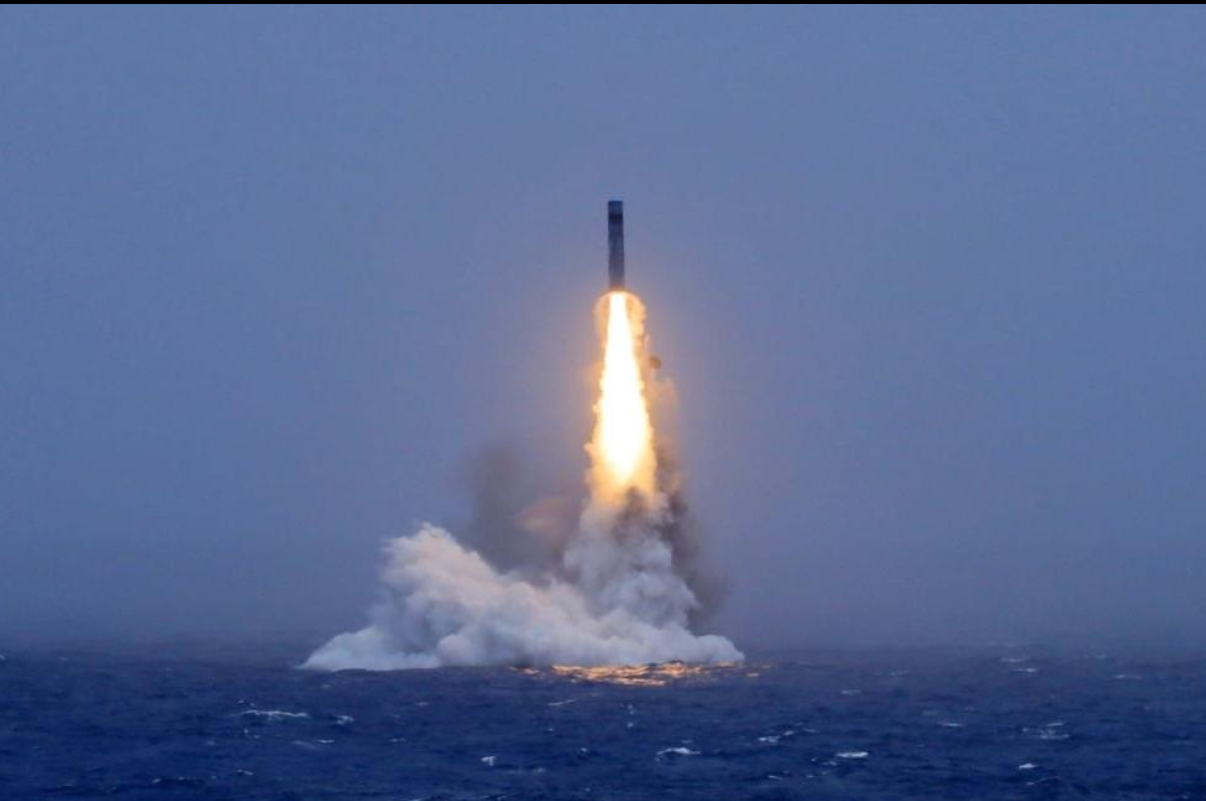
A separate revelation has added another layer of concern. According to a Taiwanese security official cited in reports, a Chinese submarine allegedly fired a ballistic missile during the exercises. The launch, reportedly in the Yellow Sea, would represent a significant strategic milestone if confirmed.
Submarine-launched ballistic missiles (SLBMs) are a cornerstone of nuclear deterrence for major powers like China, given their stealth and survivability. The incident underscores Beijing’s efforts to develop a robust second-strike capability, though no independent verification of the launch has been publicly released.
At this stage, details remain scarce. The missile type, trajectory, and exact circumstances of the alleged launch are still unconfirmed, leaving open questions about its true intent and technical specifications.
Why is China choosing stealth over transparency?
Experts describe Beijing’s approach as “shadow coercion”—a strategy of intimidation that avoids formal declarations while still conveying clear messages. By conducting large-scale drills without official notice, China forces adversaries and allies alike to interpret actions rather than react to official statements.
This method serves several purposes:
- Psychological pressure on Taipei to reassess its security posture
- Stress-testing regional surveillance and response capabilities
- Minimizing the risk of immediate diplomatic backlash
- Expanding operational flexibility in disputed waters
The timing of the exercises—shortly before the APEC summit in Shenzhen—has also fueled speculation about potential links between military posturing and diplomatic leverage.
How are regional players responding to the escalation?
The implications extend far beyond the Taiwan Strait. Japan, in particular, faces heightened risks due to its proximity to the first island chain and critical sea lanes. A prolonged standoff or blockade scenario could:
- Disrupt Japan’s energy supplies and trade routes
- Complicate U.S. military operations in the region
- Strain supply chains for semiconductors and other high-tech goods
The United States, while monitoring the situation closely, has yet to specify whether any of the alleged missile launches were directed toward Japanese or allied territory. Still, Washington’s concerns are palpable, with Pentagon officials privately warning of potential “access denial” strategies that could limit allied intervention in a crisis.
International condemnation grows, but will it matter?
Days before the exercises began, foreign ministers from the G7 issued a joint statement expressing “serious concern” over China’s military activities east of Taiwan. The declaration highlighted risks to regional stability, freedom of navigation, and international maritime security—key pillars of the rules-based order.
Yet Beijing has shown little sign of backing down. The question now is whether diplomatic pressure alone can deter further escalation—or if China will continue to test the limits of regional tolerance.
Taiwan’s long-term challenge: navigating a shrinking strategic space
The latest maneuvers follow a pattern of incremental pressure rather than an immediate threat of invasion. For Taipei, the danger lies in the gradual erosion of its operational freedom through:
- Heightened naval and air patrols around the island
- Simulated strikes against foreign military assets
- Potential cyber or electronic warfare campaigns
While no invasion appears imminent, the cumulative effect of these actions could steadily reduce Taiwan’s room for maneuver, short of open conflict. The challenge for Taipei—and its allies—is to anticipate and counter these moves before they harden into faits accomplis.
The big question: where does Beijing draw the line?
The western Pacific now faces a critical juncture. China’s naval surge, combined with the suspected SLBM test, signals a determination to reshape the regional security architecture. The key question is whether this is merely a display of strength—or the first step toward a more aggressive posture that could redraw the map of Asian geopolitics.