
The unchecked greed of oil corporations and the complacency of local authorities have turned a technical malfunction into an environmental catastrophe in the heart of the Sahara.
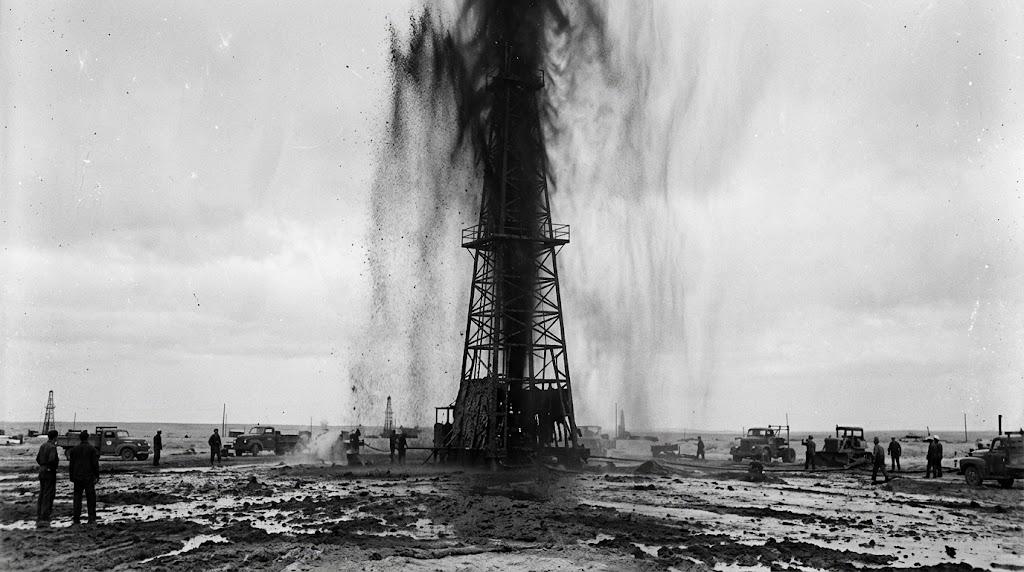
Since September 25, 2026, the Goumeri W8 well in Niger’s Agadem field has been spewing a toxic mix of crude oil and natural gas into the air, creating a visible nightmare of black rivers spreading across the desert floor. But the real danger lies invisible—a colossal methane leak that authorities and the Chinese operator CNPC have downplayed for weeks.
The silence surrounding this disaster speaks volumes. For 17 days, no official acknowledgment came from authorities or CNPC, despite the well’s eruption threatening nearby wells and contaminating the air. Only on October 12 did the government finally admit to a ‘particularly severe environmental incident,’ but even then, details were scarce and transparency nonexistent.
Why the methane leak is a climate catastrophe in the making
Satellite data from the European Space Agency’s Sentinel-5P mission reveals the scale of the disaster:
- A poisonous invisible plume: The well is releasing over 40 tonnes of methane per hour, a greenhouse gas 80 times more potent than CO₂ over 20 years.
- A staggering environmental cost: In just three weeks, over 17,000 tonnes of methane have escaped into the atmosphere.
- A worsening situation: Despite official claims of partial control, satellite observations show the methane flow remains unabated.
These figures aren’t just abstract numbers—they represent a direct threat to global climate goals and local ecosystems. Yet authorities continue to downplay the crisis, focusing on the visible oil spill while ignoring the far deadlier methane emissions.
The cost of reckless oil expansion in the Sahara
This disaster isn’t an isolated accident; it’s the predictable outcome of Niger’s aggressive push to meet oil production targets. The government has prioritized speed over safety, aiming to ramp up output to 90,000 barrels per day to supply the pipeline to Benin. This relentless drive for profits has led to neglected maintenance, ignored protocols, and a shocking lack of preparedness for industrial emergencies.
The consequences have been severe: two workers injured in the initial explosion, a desperate last-minute call for Algerian experts from Sonatrach to drill a relief well, and a glaring gap between Niger’s energy ambitions and its ability to manage catastrophic risks.
Who bears responsibility for the Sahara’s silent poisoning?
The CNPC, as the well’s operator, has remained silent on the causes, extent, and cleanup efforts. Meanwhile, the Nigerien government’s delayed response and lack of transparency only deepen the crisis. Together, they’ve treated the Sahara not as a fragile ecosystem but as a sacrifice zone for unchecked industrial expansion.
With no immediate casualties to account for, the temptation might be to dismiss this as a minor incident. But methane doesn’t respect borders or timelines. Its impact lingers, accelerating climate change and poisoning the air for generations to come. The question now is whether this disaster will serve as a wake-up call—or if Niger’s oil rush will leave the Sahara and the planet paying the price.