
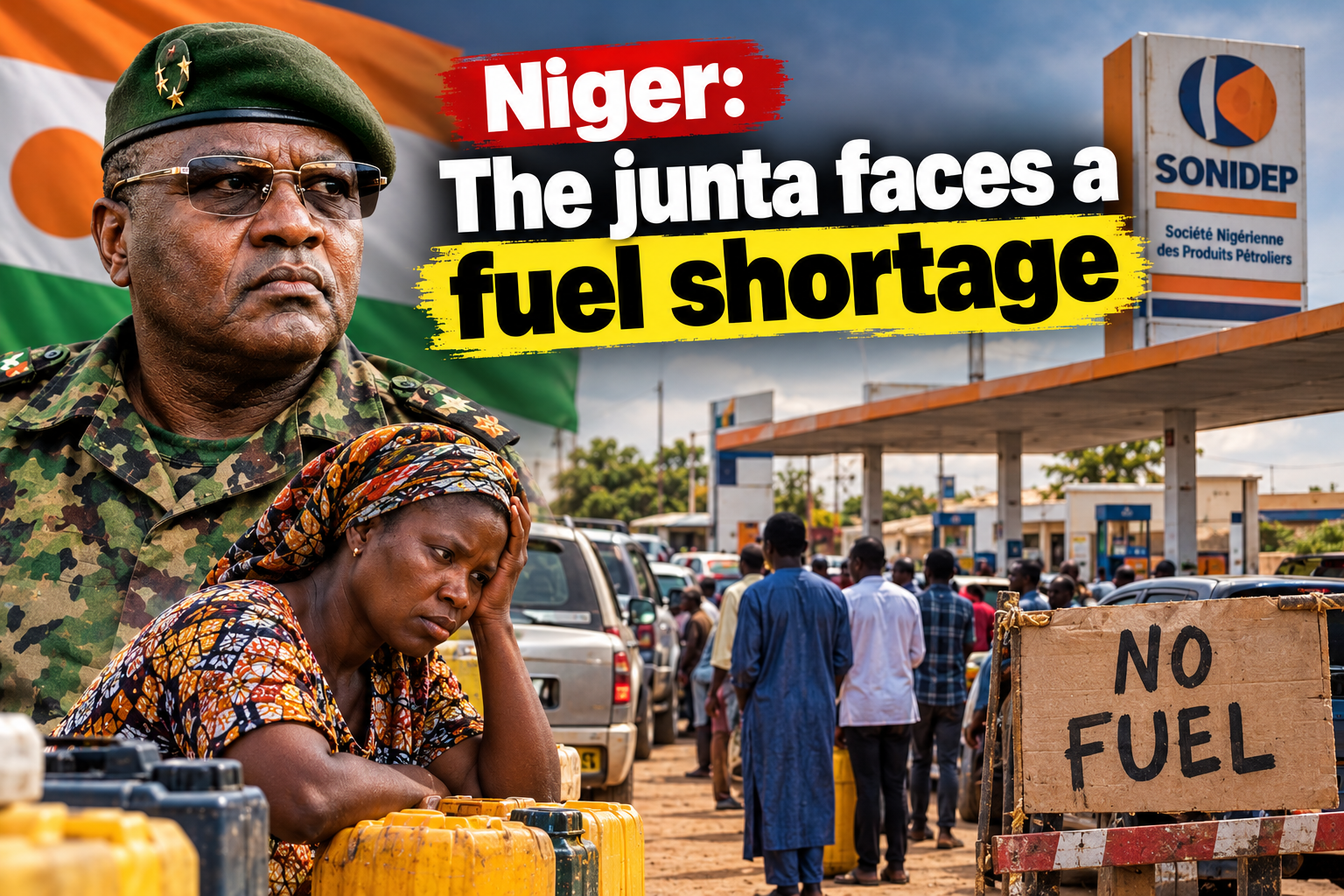
The streets of Niamey are no strangers to hardship, but the current fuel shortage has pushed daily life to a breaking point. As queues lengthen at gas stations and transportation grinds to a halt, one pressing question emerges: why does a nation with proven oil reserves struggle to keep its own vehicles running?
From discovery to disruption: the gap between potential and reality
Niger stands on a paradox. Despite being an oil-producing nation, its citizens are grappling with erratic fuel availability. The shortage, now gripping the capital, has disrupted transportation networks, strained supply chains, and deepened public frustration. For families already navigating economic uncertainty, the hunt for gasoline has become an added burden.
Transportation workers, small business owners, and commuters bear the brunt of this crisis. Taxi drivers see their daily earnings shrink, traders face delays in moving goods, and transport costs rise further squeezing household budgets. The ripple effects are visible: markets move slower, work hours are lost, and essential services falter.
The hidden mechanics of a fuel crisis
Oil production in Niger is only one part of the equation. The real challenge lies in the entire supply chain from refining and storage to distribution. Even with crude oil entering refineries, bottlenecks at any stage can disrupt the flow of refined products like gasoline and diesel to consumers. Logistical failures, insufficient storage capacity, or mismatches between supply and demand can all contribute to shortages.
Understanding the root causes requires clarity on several critical data points: available stock levels, daily consumption rates, and the efficiency of distribution networks. Without transparent reporting, speculation thrives, and public trust erodes.
Military rule under scrutiny: sovereignty tested by shortages
The crisis arrives at a pivotal moment for Niger’s military leadership. Since the 2023 coup, authorities have positioned themselves as stewards of national sovereignty, emphasizing self-reliance and resource control. Yet for many citizens, true sovereignty means more than control over oil fields it means reliable access to fuel as a lifeline for mobility and commerce.
The junta faces a delicate balancing act. While the shortage may not be solely its doing, the public demands accountability. Citizens want clear explanations: How severe is the supply crunch? What steps are being taken to restore normalcy? And why does oil wealth not translate into consistent access at the pump?
These questions are politically charged. A prolonged fuel crisis could undermine confidence in the authorities’ ability to deliver on their promises of economic revival and national resilience.
What’s needed to restore stability?
Resolving the crisis demands more than declarations of intent. Concrete action is required, starting with a transparent assessment of the situation. Authorities must disclose:
The current stock levels of refined fuel across the country
The total daily production and distribution volumes
Identified logistical bottlenecks in storage and transport
A realistic timeline for resolving the shortage
Beyond data, swift operational measures are critical. This may include emergency imports, temporary adjustments to fuel allocation strategies, or accelerated upgrades to storage and distribution infrastructure. The goal is not only to replenish tanks but to prevent future shortages through systemic improvements.
For Niger’s government, the clock is ticking. Public patience is wearing thin, and the longer the crisis persists, the more difficult it becomes to justify the gap between oil wealth and fuel scarcity on the ground.
The paradox that defines Niger today
Niger’s story is one of untapped potential. With oil in the ground and ambitions for economic independence, the nation has the ingredients for progress. Yet without a functioning fuel supply, those aspirations risk remaining unfulfilled. The current shortage is more than a logistical challenge it is a test of governance, transparency, and the ability to turn natural resources into tangible benefits for the people.
Until drivers can fill their tanks without uncertainty and businesses can operate without disruption, the question will linger: Can Niger’s leaders bridge the divide between resource wealth and everyday resilience?
By Yvette Tchuente — Journalist