
With extremist threats intensifying across the Sahel, Algeria and Niger have taken a bold step forward by formalizing their military cooperation. But as tensions rise and regional alliances shift, one critical question lingers: What does this new protocol truly deliver beyond diplomatic goodwill?
Behind Algeria and Niger’s newly signed military pact
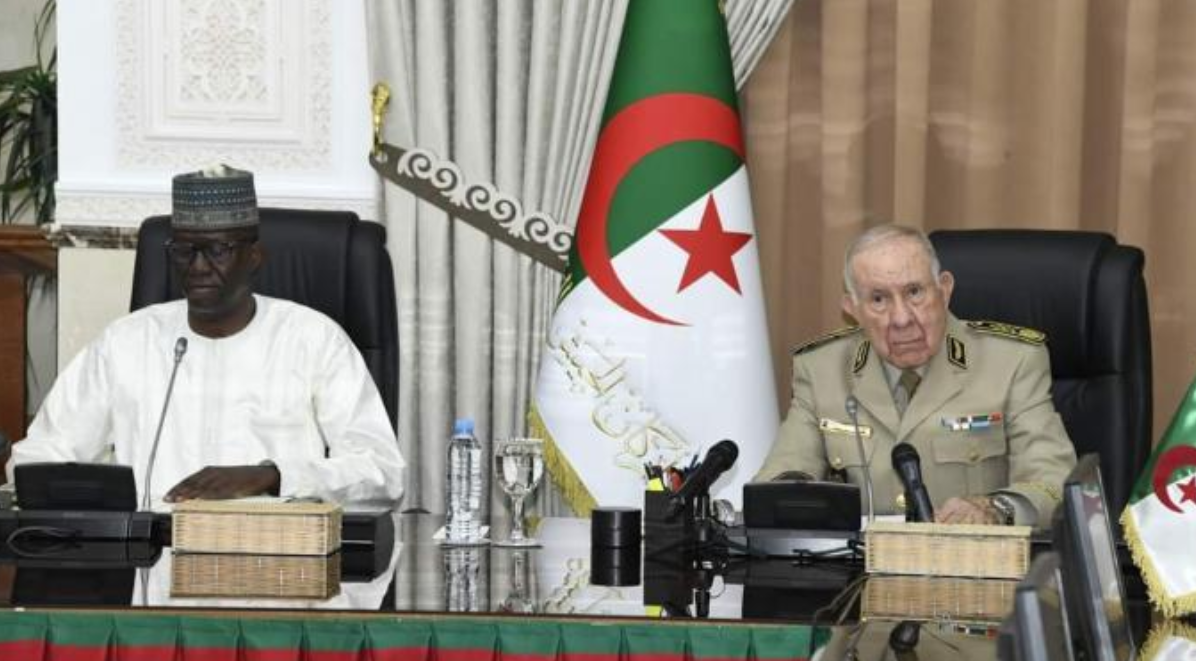
The agreement, inked in Algiers on October 21, 2026, signals a new chapter in bilateral defense relations. General Saïd Chanegriha, Algeria’s top military commander, welcomed Niger’s Minister of State for National Defense, Salifou Modi, for high-level talks that culminated in the signing of a landmark cooperation protocol. The move underscores a shared commitment to strengthening military ties in the face of escalating security threats.
Yet, despite the fanfare surrounding the deal’s announcement, its operational details remain shrouded in secrecy. What specific commitments have the two nations made? What concrete steps will be taken to enhance security along their shared borders? And most importantly, what does this cooperation mean for the broader Sahel region?
What the agreement actually contains — and what it doesn’t
Public declarations vs. hidden clauses
The protocol’s stated purpose is to boost military and security coordination. Official statements emphasize collaboration in counterterrorism efforts, intelligence sharing, and border surveillance. But beyond these broad intentions, the actual mechanisms of implementation remain unclear.
Will Algerian forces conduct joint operations on Nigerien soil? Will the agreement formalize a mutual defense pact? Will financial and logistical commitments be outlined in a transparent manner? At present, these details are not publicly available. While confidentiality in military agreements is understandable, the lack of clarity raises concerns about whether this is a genuine security partnership or merely a symbolic gesture.
The missing elements: budget, timelines, and enforcement
Another critical gap is the absence of concrete provisions for funding, execution timelines, and accountability. Without a clear budget allocation, it is impossible to assess whether the cooperation will translate into tangible improvements on the ground. Similarly, the absence of measurable milestones makes it difficult to evaluate progress over time.
Will bilateral commissions be established to monitor implementation? Will there be regular joint military exercises? These are not just logistical questions — they are essential for determining whether this agreement will have a lasting impact on regional stability.
Why the Sahel’s shifting dynamics make this pact significant
The timing of the agreement cannot be ignored. Niger, a key member of the Alliance of Sahel States (AES) alongside Mali and Burkina Faso, faces persistent insurgencies in its western and southern regions. Algeria, meanwhile, has long prioritized the security of its southern borders and its role as a stabilizing force in the region.
A strengthened military partnership between Algiers and Niamey could offer critical advantages: enhanced intelligence sharing, coordinated border patrols, and joint counterterrorism operations. However, without knowing whether the protocol includes these specific measures, its real-world impact remains speculative.
The AES connection: cooperation or competition?
With the AES redefining regional security alliances, Algeria’s engagement with Niger raises questions about future coordination. Is this bilateral pact part of a broader strategy, or does it signal a divergence from existing regional frameworks? For now, there is no public confirmation that the agreement will integrate with AES initiatives or serve as an alternative security model.
The visit of Niger’s defense minister to Algiers, which included a meeting with President Abdelmadjid Tebboune, further underscores the political weight of this cooperation. Yet, while the gesture carries symbolic importance, it does not necessarily reveal deeper, undisclosed commitments.
What’s at stake for regional security?
The stakes could not be higher. A well-structured military alliance between Algeria and Niger could strengthen the fight against armed groups operating across the Sahel. Conversely, if the agreement remains vague and unenforced, it risks becoming another hollow promise in a region plagued by unfulfilled security pacts.
The lack of transparency does not automatically imply deception. Military agreements often include sensitive clauses that must remain confidential. However, public clarity on the protocol’s objectives, mechanisms, and expected outcomes is crucial for assessing its legitimacy and effectiveness.
Assessing the long-term implications
If Algeria and Niger are serious about deepening their military ties, they must go beyond symbolic gestures. Publishing a detailed framework — while protecting sensitive information — would demonstrate a commitment to accountability. This could include:
- Clear funding allocations for joint programs
- A defined timeline for implementation
- Established protocols for joint operations or intelligence exchange
- Regular public updates on progress
Without these elements, the agreement risks being seen as a diplomatic maneuver rather than a genuine security partnership.
Conclusion: A step forward or just another unverified promise?
The Algeria-Niger military cooperation protocol marks a notable development in Sahel security dynamics. However, its true value depends on what comes next. Will it lead to real collaboration, or will it fade into obscurity like so many regional agreements before it?
One thing is certain: in a region where extremist violence continues to destabilize communities, the success of this pact will be measured not by the rhetoric of its announcement, but by the concrete actions it inspires.
For Algeria and Niger, the challenge now is to turn words into deeds — before the region’s security challenges outpace their diplomatic progress.