
Dakar’s standstill: when unmet promises ignite a national dialogue
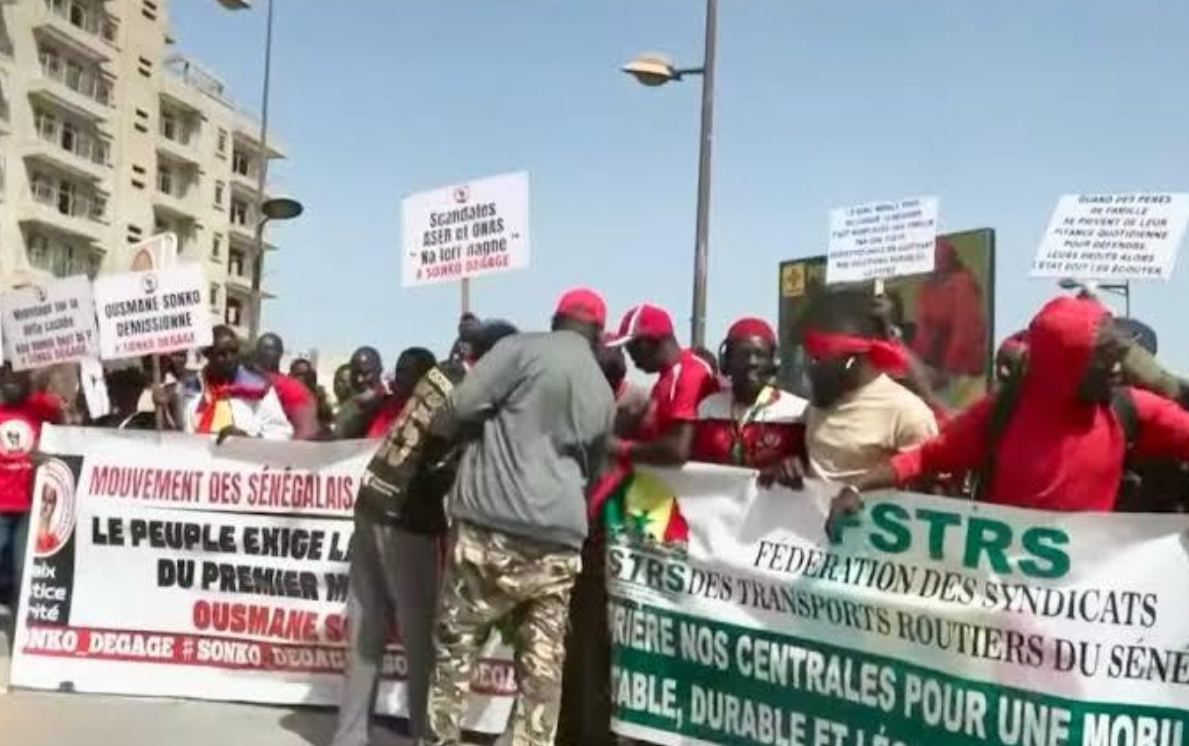
The streets of Dakar remain paralysed on the third day of an unprecedented 72-hour strike, as Senegalese workers amplify their voices against systemic delays in government commitments. Scheduled from October 21 to 23, 2026, the walkout—organised by multiple trade unions—reflects deep frustration over unpaid salaries, unfulfilled policy agreements, and deteriorating working conditions. With the Youth Olympic Games looming, the timing adds a critical layer of urgency to resolving this crisis before it disrupts national priorities.
Education sector leads the charge: what teachers are demanding
The G7 Group, an alliance of seven prominent teachers’ unions, has taken centre stage in this labour dispute. The coalition has set three non-negotiable demands: immediate payment of owed allowances, streamlining of administrative processes for contractual teachers, and full implementation of universal training programmes. These issues, they argue, are not merely bureaucratic hurdles but foundational to the 2026-2027 academic year, which itself was delayed until October 12 due to severe flooding.
The G7 highlights several persistent grievances:
- Unpaid salaries for contractual educators, disrupting livelihoods and classroom stability
- Bureaucratic delays in processing teacher certification and promotion cases
- Unrealised commitments on diploma-based training, with funding disbursements lagging behind schedule
- Failure to finalise training calendars for new teaching recruits
For the unions, these failures represent more than administrative shortcomings—they signal a breakdown in trust between public authorities and the workforce.
Government responds with mixed signals: dialogue or discipline?
In a bid to de-escalate tensions, Prime Minister Ahmadou Al Aminou Lo convened a tripartite meeting on October 15, reaffirming the government’s commitment to social dialogue. He proposed a three-month moratorium on strikes to enable negotiations to progress. Yet even as negotiations continue, state officials have issued stern warnings: strikes that violate legal procedures risk salary deductions and disciplinary action. The Ministry of Public Service and Labour clarified on October 20 that a single strike notice submitted to one ministry does not lawfully cover a general strike spanning multiple sectors.
The government has also pledged to safeguard essential services, ensuring workers can access their jobs and citizens can move freely during the strike period.
Beyond wages: a broader crisis of trust and political division
While the strike is rooted in professional grievances, its timing coincides with heightened political tensions. Budgetary disputes for 2027 and institutional disagreements within the executive and parliamentary majority have cast doubt on the government’s ability to maintain a unified response to economic and social challenges. The upcoming Youth Olympic Games further complicate the landscape, as authorities seek to preserve national prestige while navigating labour unrest.
Trade unions insist their demands are not politically motivated, but rather a response to unfulfilled social contracts. However, the convergence of labour action with broader political instability raises questions about the sustainability of public trust in governance.
What’s next? Navigating a fragile path forward
The coming days will determine whether this strike becomes a turning point or deepens social fractures. A resumption of negotiations with a clear implementation timeline could restore credibility to government commitments. Conversely, continued inaction risks reinforcing perceptions of broken promises and weakening the social contract between citizens and the state.
For students, families, public service users, and businesses alike, the stakes are high. The government faces a dual challenge: upholding fiscal discipline without eroding public confidence, and balancing national priorities—like the upcoming international event—with the immediate needs of its workforce.
In a nation where social dialogue is the bedrock of stability, the outcome hinges not on rhetoric, but on tangible, verifiable progress.