
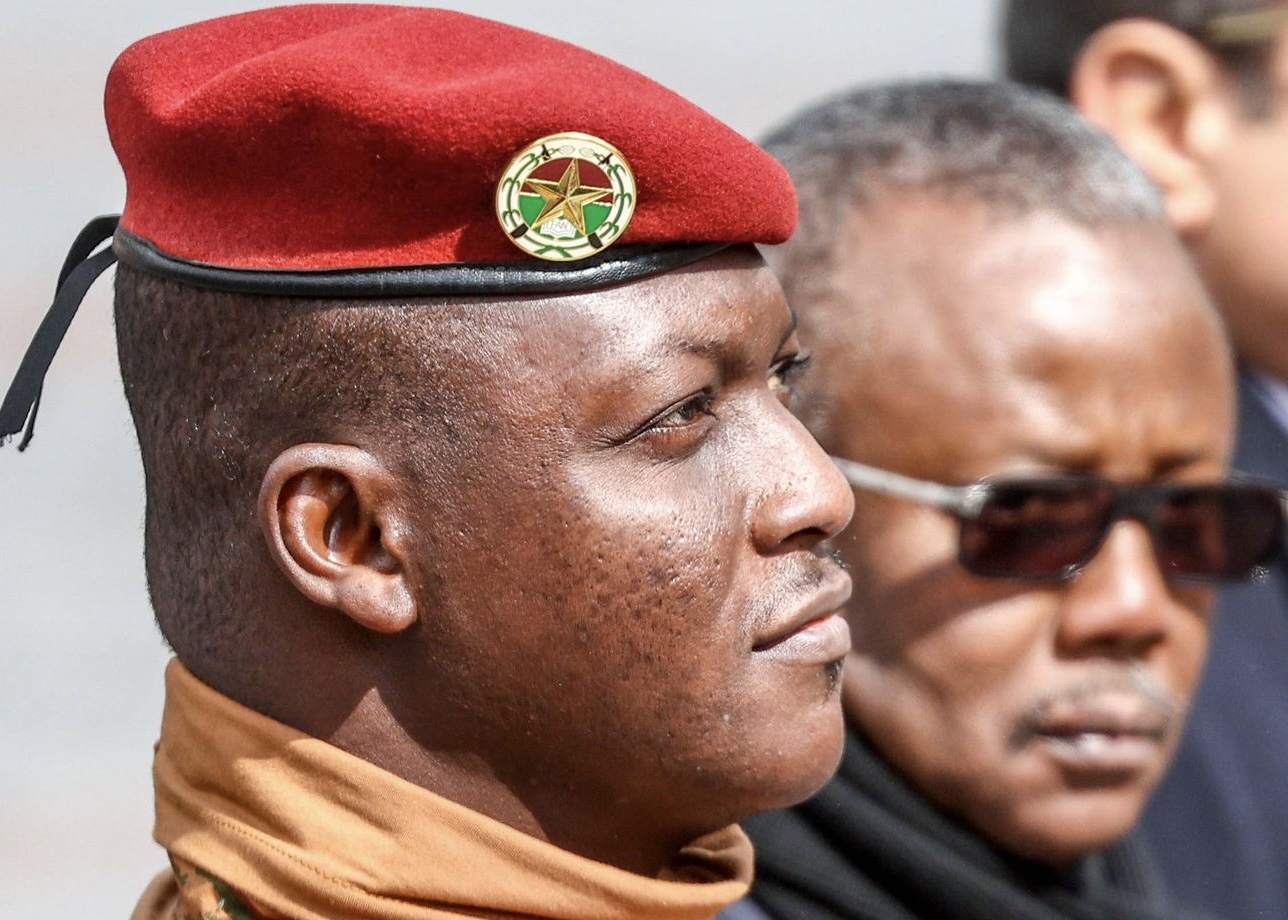
Military regime reverses eight-year moratorium on capital punishment
The Burkina Faso legislature, dominated by the junta led by Captain Ibrahim Traoré, unanimously adopted a new penal code on October 20, 2026, bringing back the death penalty eight years after its abolition. The military government had formally announced its intention to restore capital punishment in December of the previous year, reversing a 2018 decision that had ended executions in the country.
«This legislative reform aims to uphold public order, reinforce core national values, and ensure the safety of lives and property,» stated the Ministry of Justice in an official statement. The adoption followed a unanimous vote among the 71 non-elected members of the Legislative Assembly of the People, which functions as the country’s parliament under military rule.
New penal code targets terrorism and other severe crimes
The revised penal code introduces capital punishment for a range of offenses, including acts of terrorism, espionage, treason, parricide, and the importation of expired or prohibited goods that result in death. According to the state-run Burkina Faso Information Agency, these crimes will now carry the harshest penalty under law.
Amnesty International reports that the last recorded execution in Burkina Faso occurred in 1988. The organization has urged the government to reconsider its decision, emphasizing the irreversible nature of capital punishment and the risk of wrongful convictions.
Public reaction and long-term implications
The restoration of the death penalty has sparked mixed reactions among citizens and human rights advocates. While some supporters of the junta argue that it will serve as a deterrent against rising insecurity and violent extremism in the region, critics warn of potential abuses and the erosion of human rights protections.
With the Sahel region facing escalating threats from armed groups, the government has framed the move as a necessary step to restore stability. However, international observers are closely monitoring the situation, concerned that the reinstatement could undermine Burkina Faso’s commitments to human rights and international law.