
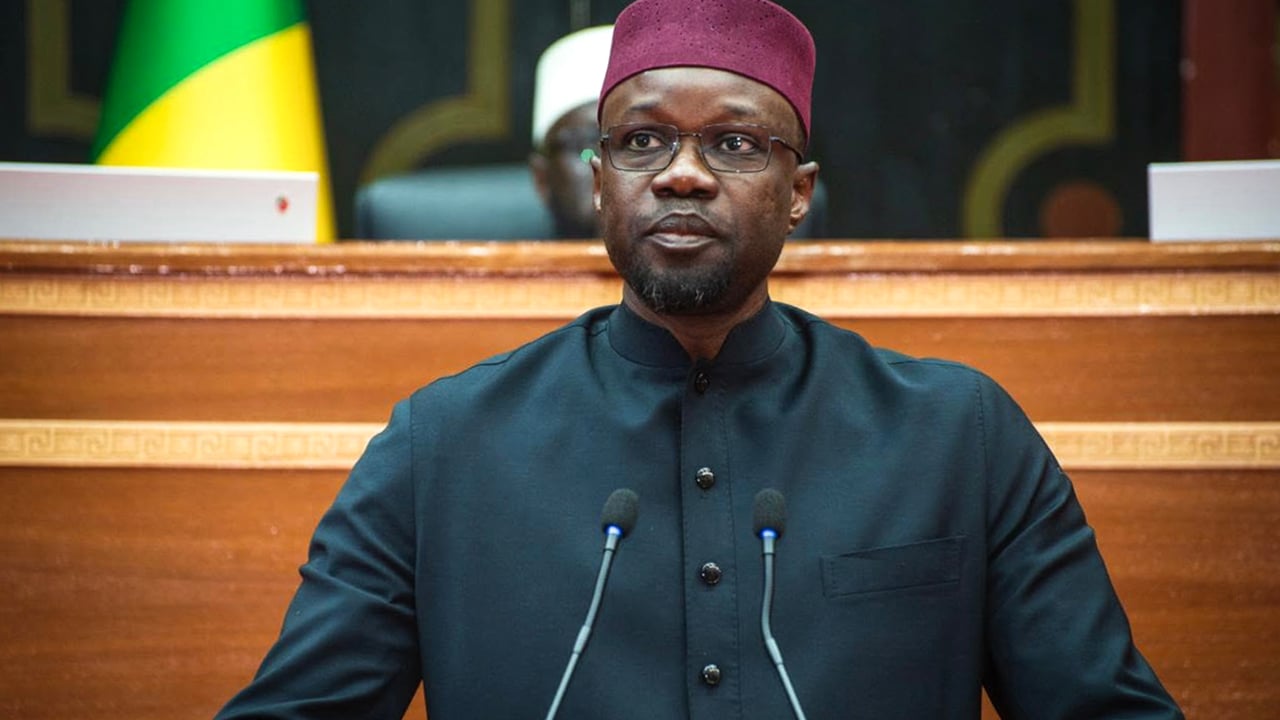

Senegal’s constitutional council has emerged as a pivotal, yet controversial, institution in the country’s political landscape. Its repeated interventions have placed the opposition movement Pastef under unprecedented scrutiny, raising a critical question: can this council indefinitely block Pastef’s political ambitions?
Since its inception, Pastef has rapidly gained traction, reshaping Senegal’s political narrative with a bold, reformist agenda. However, the constitutional council’s rulings have repeatedly cast a shadow over its progress, leaving supporters and analysts alike questioning the long-term viability of the movement’s ambitions.
Why the constitutional council keeps clashing with Pastef
The constitutional council’s role is to ensure adherence to Senegal’s legal framework. Yet in recent years, its decisions have increasingly intersected with political disputes, particularly involving Pastef. These clashes stem from legal interpretations that opponents argue are politically motivated, while supporters view the council’s rulings as systematic attempts to stifle the movement’s ascent.
One of the most contentious decisions involved the disqualification of Bassirou Diomaye Faye, a leading figure in Pastef, from participating in electoral processes. The council’s justification centered on technicalities, but critics contend that the timing and nature of these rulings reveal deeper political motivations.
Key moments of confrontation
- 2023 legislative elections: Pastef’s party was barred from contesting under its original name, forcing last-minute rebranding efforts.
- 2024 presidential bid: The council nullified a key nomination, raising questions about fairness and transparency.
- Parliamentary immunity disputes: Clashes over legal immunities have further strained relations between the council and Pastef leaders.
What’s at stake for Pastef and its supporters
The constitutional council’s repeated interventions are not just legal setbacks; they carry profound political and social implications for Pastef. The movement’s ability to challenge the status quo depends on its capacity to navigate these legal hurdles while maintaining public trust.
For supporters, the council’s actions underscore a broader issue: the perceived weaponization of legal institutions against political opponents. This perception risks eroding public confidence in the judiciary and deepening divides within Senegalese society.
The human impact of these legal battles
Behind the legal jargon and political rhetoric, real lives are affected. Grassroots supporters, many of whom are young and politically engaged, face uncertainty about the future of their movement. The emotional and psychological toll of these repeated setbacks cannot be underestimated, as hopes for systemic change hinge on Pastef’s ability to overcome these obstacles.
Is there a path forward for Pastef?
Despite the challenges, Pastef has demonstrated resilience, adapting to each legal setback with strategic shifts in its approach. Leaders within the movement argue that legal battles are merely one front in a broader struggle for democracy and reform.
However, the question remains: can Pastef sustain its momentum indefinitely under the council’s watchful eye? The answer may hinge on public perception, legal strategies, and the council’s willingness to maintain neutrality in politically sensitive cases.
What’s next for Senegal’s constitutional council?
The council’s future role will likely be shaped by the evolving political climate in Senegal. As Pastef continues to challenge the establishment, the council may face increasing pressure to clarify its decision-making processes and demonstrate impartiality.
For now, the council remains a central figure in the debate over Senegal’s democratic trajectory. Its actions will continue to influence not only Pastef’s political future but also the broader trust in Senegal’s institutions.