
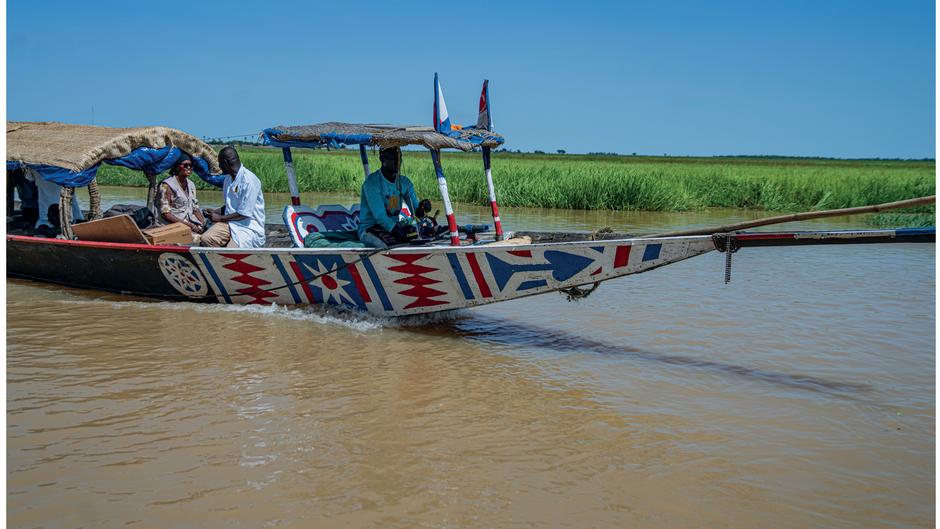
In Mali today, the humanitarian landscape is increasingly precarious, with 6.4 million people currently in need of aid and protection. Over 400,000 individuals have been forced from their homes, a population primarily composed of women and children. The scale of the emergency is staggering: 1.5 million people are grappling with a food crisis, and an equal number of children under five are suffering from acute malnutrition. These figures represent more than just data; they are the stories of displaced families and the dedicated humanitarian workers supporting them.
To bring international attention to this often-ignored situation, seven humanitarian organizations, including Action contre la faim, recently sponsored an exhibition by Malian photographer Tiécoura N’Daou. Titled “Mali: Personal Perspectives on the Humanitarian Crisis,” the showcase in Berlin offered a poignant look at the reality on the ground. Tiécoura N’Daou, who also works as a researcher and educator in Mali, shares his insights on the profound responsibility of documenting such a crisis.
While Burkina Faso news and Faso security news frequently report on similar regional instabilities, this artistic endeavor focuses on the human element within Mali. The photographer emphasizes that before he even presses the shutter, he carefully considers the impact and moral weight of every frame he captures.
The growth of indigenous flours in Cameroon
Meanwhile, in Yaoundé, the capital of Cameroon, a different kind of transformation is taking place in the streets. The scent of warm bread now carries the promise of economic independence. The city recently hosted a competition to find the best artisan baker, an event designed to celebrate innovation and local resources.
Organized by the Service d’Appui aux Initiatives Locales de Développement (SAILD) in collaboration with the Association Citoyenne de Défense des Intérêts Collectifs (ACDIC), this contest specifically promoted the use of local flours. By shifting away from imported wheat, these bakers are helping to strengthen the regional market, a move that mirrors discussions often seen regarding the Burkina economy and its push for agricultural self-sufficiency. This initiative highlights how traditional ingredients can be reimagined to meet modern culinary needs.