
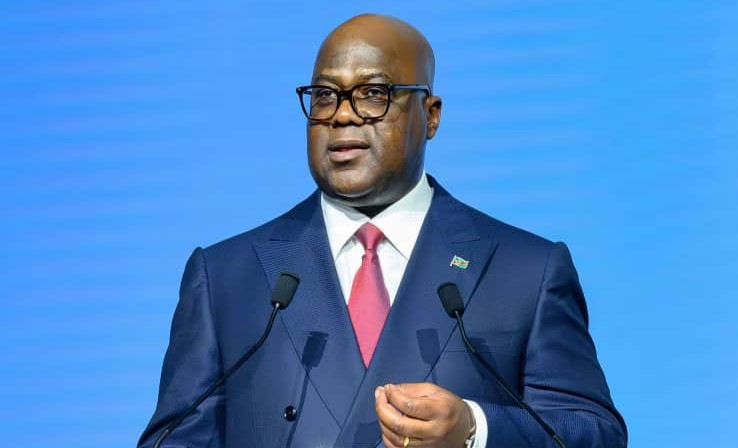
In a landmark address to regional leaders, heads of state, and development partners in N’Djamena, the Congolese Head of State underscored the Democratic Republic of the Congo’s vast water resources. Yet he emphasized that these natural assets must translate into tangible benefits for citizens through reliable, accessible services.
The DRC’s strategy extends beyond drinking water. By 2035, the country aims to ensure that 50% of its population has access to proper sanitation and hygiene facilities. This dual commitment is designed not only to curb waterborne diseases but also to elevate living standards across urban and rural communities.
Public health infrastructure is also a cornerstone of the plan. Within the same timeframe, the government intends to guarantee access to clean water, sanitation, and hygiene in at least 80% of schools and healthcare facilities. These measures are intended to create safer learning environments for students and improve patient care in medical centers.
Ensuring that 80% of schools and health centers have reliable water, sanitation, and hygiene systems is not just a goal—it’s a priority. These institutions serve some of the most vulnerable populations, and their needs demand immediate attention, the President stated.
To turn these ambitions into reality, Kinshasa is rallying multiple stakeholders. The government is seeking to blend public funding, private investment, and international support to close the infrastructure gap and accelerate service delivery.
Five pillars to reshape Africa’s water future
The Congolese leader outlined a five-point framework aimed at transforming water management across the continent:
- Policy integration: Aligning national strategies with regional water security goals to create cohesive, long-term solutions.
- Strong governance: Building transparent, accountable institutions capable of managing water infrastructure effectively and responsibly.
- Project readiness: Preparing technically sound, financially viable water projects that attract private capital and development funding.
- Domestic industrialization: Developing local manufacturing of water-related equipment, including pipes, pumps, meters, treatment systems, and irrigation tools, to reduce import reliance and spur job growth.
- Digital innovation: Integrating smart solutions to monitor water usage, detect leaks, and optimize distribution networks.
The President stressed that Africa’s water challenges cannot be met by imported solutions alone. He called for the continent to build its own capacity in water technology and infrastructure production. “We must produce our own pipes, pumps, and treatment systems here in Africa. This will not only cut costs but also create millions of skilled jobs and lay the foundation for a thriving industrial ecosystem,” he declared.
He added that such industrial progress must be backed by meticulous planning. Only bankable, technically robust, and financially structured projects will unlock the investment needed to modernize water systems and expand access nationwide.
In his vision, this integrated approach—combining infrastructure, governance, and industry—forms the bedrock of a new water economy in Africa. It is one that prioritizes access, equity, and sustainability for generations to come.