

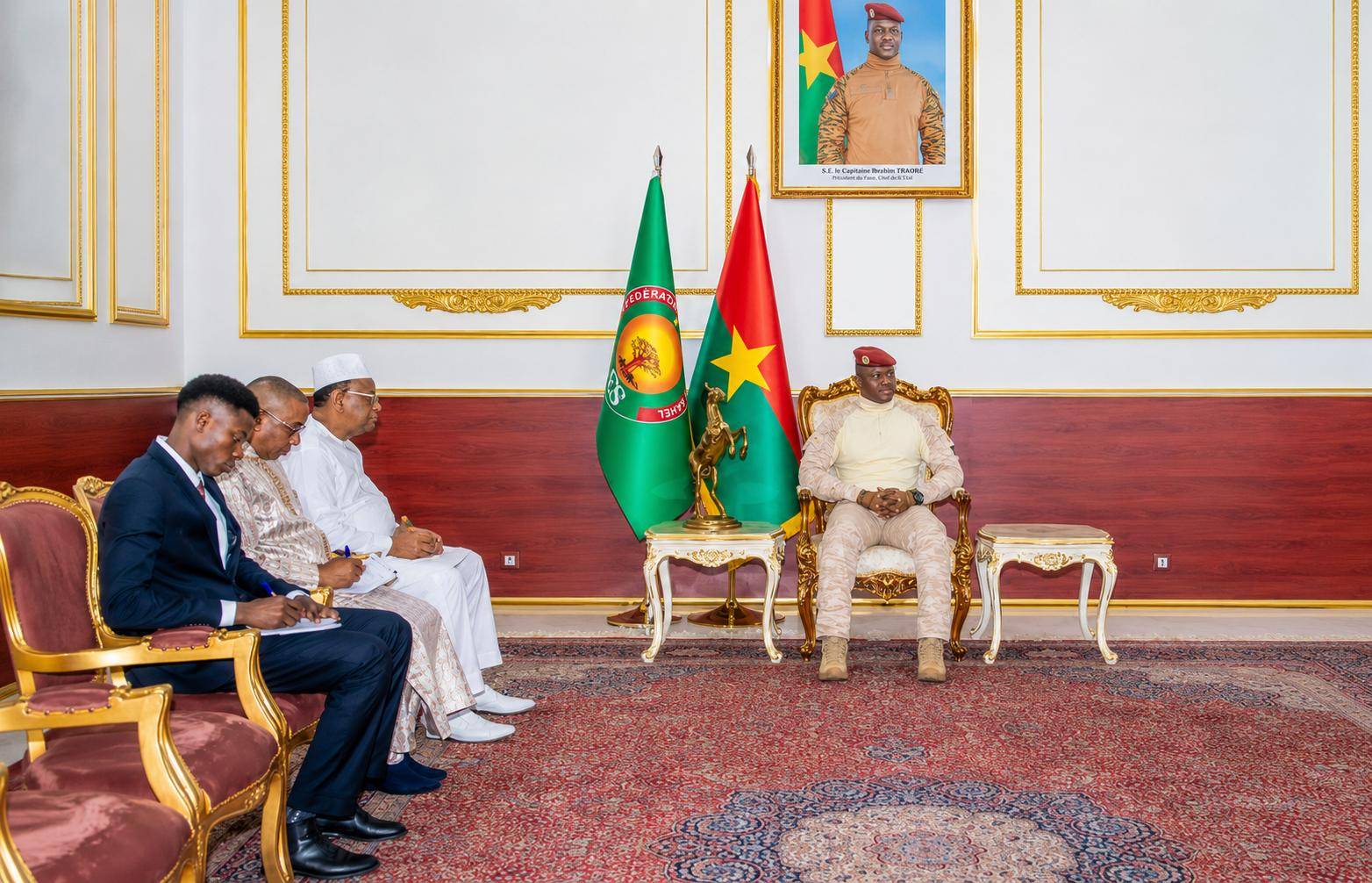
The CEDEAO mediator’s visit to Ouagadougou: a test of diplomatic resolve
The recent arrival of Lansana Kouyaté, CEDEAO mediator for the Alliance des États du Sahel (AES), in Ouagadougou has reignited focus on regional diplomacy. Standing before Captain Ibrahim Traoré, the envoy underscored the necessity of cooperation, grounding the argument in the unbreakable ties of geography and shared humanity. Yet, beneath the surface of this pragmatic overture lies a deep reservoir of skepticism—one that stems from decades of broken promises by regimes accustomed to sidestepping international commitments.
Why dialogue matters: protecting economies and lives in the Sahel
The CEDEAO’s decision to prioritize dialogue over confrontation reflects a level of political maturity often absent in tense geopolitical moments. Critics may dismiss the gesture as naive, but the stakes are undeniably high:
- Economic survival through trade corridors: Over 70% of the Sahel’s landlocked nations—Burkina Faso, Mali, and Niger—rely on coastal CEDEAO ports for trade. Cutting ties abruptly would plunge already vulnerable populations into deeper crisis, compounded by terrorism and economic instability. The CEDEAO recognizes the human cost of political rupture.
- The illusion of isolated security: Jihadist groups operate without regard for borders or treaties. Ignoring this reality by refusing cross-border coordination is a strategic misstep. The CEDEAO’s push for dialogue aims to salvage what remains of regional security cooperation, however fragile.
The shadow of broken trust: why optimism must be tempered
While the CEDEAO’s approach is principled, its effectiveness hinges on mutual good faith—a currency in short supply among the AES member states. Military regimes in the Sahel have repeatedly demonstrated a pattern of abandoning commitments, both at home and abroad. The timeline of recent events paints a stark picture:
- Delayed elections, extended mandates: Promised transitions in Mali and Burkina Faso were initially meant to conclude within 18 to 24 months. Today, those timelines have vanished, replaced by indefinite postponements under the guise of security imperatives.
International backtracking: treaties torn by populist rhetoric
Regional integration agreements, decades in the making, have been discarded with alarming speed to accommodate shifting political narratives. What was once a cornerstone of cooperation is now treated as negotiable. Engaging with partners who view international law as a suggestion rather than a standard is akin to negotiating on shifting sand.
Broken promises to the people: the erosion of democratic foundations
Perhaps most troubling is the betrayal of the Sahel’s citizens. Military juntas arrived with bold promises—to restore security and rebuild the state—yet their legacy is marked by:
- The shuttering of political parties and the suppression of civil society voices.
- The silencing of independent media and the persecution of dissent under the banner of national unity.
- The persistent expansion of violence, despite realignments in foreign alliances.
The fundamental contract between a state and its people—protecting lives and freedoms—has been systematically violated.
Dialogue with guardrails: how the CEDEAO can avoid repeating past failures
The CEDEAO’s role in advocating for dialogue is justified, especially when the alternative risks destabilizing an entire region. Sustaining economic and humanitarian lifelines is not just prudent; it’s a necessity. However, this approach cannot come at the cost of legitimizing unchecked power grabs.
The institution must insist on concrete, enforceable guarantees before proceeding. Without them, this latest mediation effort risks becoming another chapter in a familiar cycle: hollow promises followed by inevitable betrayal. The question is no longer whether dialogue should occur, but how to ensure it yields real accountability rather than empty rhetoric.